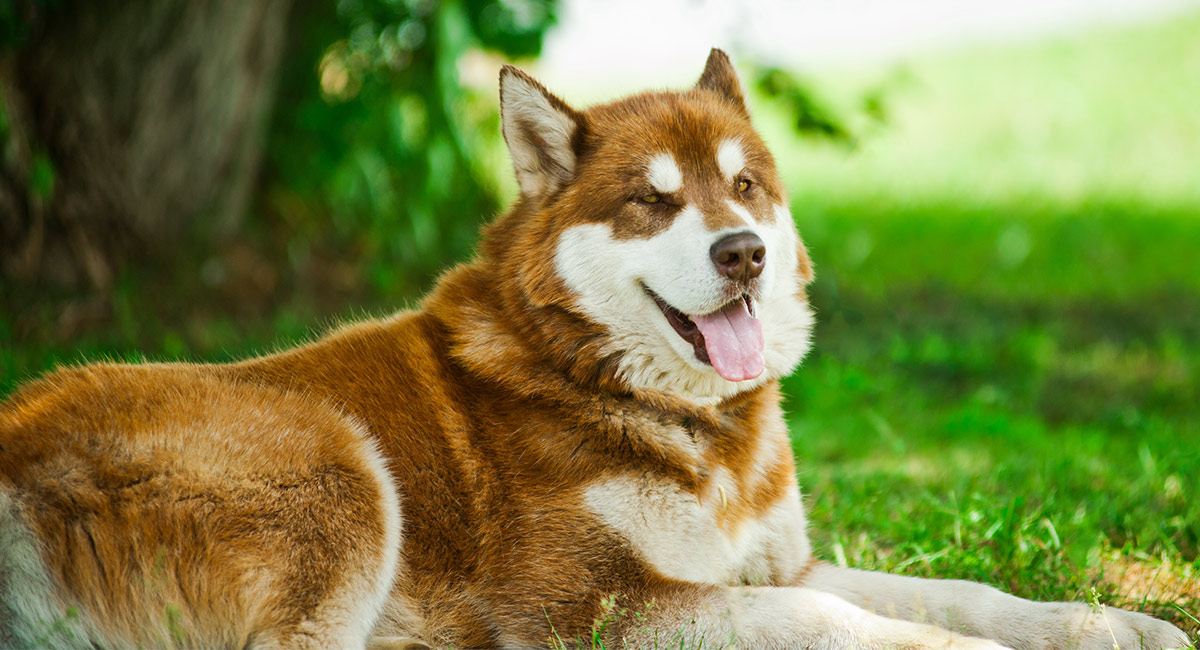
About the Foxhoodle
The Foxhoodle is a modern mixed breed dog, resulting from a cross between a Foxhound and a Standard Poodle. This hybrid combines the Poodle's trainability and potentially low-shedding coat with the Foxhound's stamina, scenting abilities, and pack mentality. The breed was first recognized by the United Kennel Club (UKC) in 2012, marking the formal acknowledgment of this unique hybrid.
Originating in the United States, the Foxhoodle is a large dog with a medium-length coat. Males typically weigh between 23-32 kg and stand at 56-69 cm tall, while females weigh 18-29 kg and stand at 53-64 cm tall. This breed is known for its high energy levels and friendly disposition, making it an excellent choice for active families. The breed's popularity has been on the rise, with over 2,000 registered Foxhoodles in the UKC as of 2023.
Intelligent and alert, the Foxhoodle is also loyal and playful, making it a great companion for children and other pets. With a life span of 10-15 years, the Foxhoodle is a long-term commitment for any potential owner. The breed's temperament is often described as even-tempered and adaptable, which contributes to its appeal as a family pet.
Origins and Development
The Poodle, one of the Foxhoodle's parent breeds, is believed to have originated in Germany in the Middle Ages, although some theories suggest it may have originated in France. Poodles were originally used by wildfowl hunters to retrieve game from water and were known for their intelligence and ability to learn from humans. Over time, they became popular as circus performers and show dogs, with the Miniature Poodle being selectively bred down in size for easier handling in circuses. The Standard Poodle was recognized by the American Kennel Club (AKC) in 1887.
The Foxhound, the other parent breed, is a large hunting hound with a strong sense of smell, barking, energy, drive, and speed. Foxhounds are known for their gentle and affectionate temperament, as well as their sociable nature and great stamina. They were bred for hunting in packs and are often used in fox hunting, where they track and chase the quarry while hunters follow on horseback. The first recorded breed standard for the Foxhound was established in 1849 by the Foxhunters Association in England.
The combination of these two breeds resulted in the Foxhoodle, a dog that inherits the best traits from both parents, including intelligence, energy, and a friendly nature. The first documented breeding of a Foxhound to a Poodle took place in the late 1990s, leading to the development of the breed as we know it today.
Temperament and Personality
The Foxhoodle is known for its intelligent and energetic temperament. They are friendly, alert, and loyal, making them great companions for families and individuals alike. Their playful nature means they enjoy activities that stimulate both their mind and body, such as fetch, agility, and obedience training. Foxhoodles are known to be excellent at obedience training, as they are eager to please and have a natural intelligence that makes learning new tasks enjoyable for them.
Despite their high energy, Foxhoodles can be well-behaved and trainable, thanks to their intelligence and willingness to please. Without adequate exercise, they may become bored and exhibit destructive behavior, including digging, chewing, or excessive barking.
Coat and Grooming
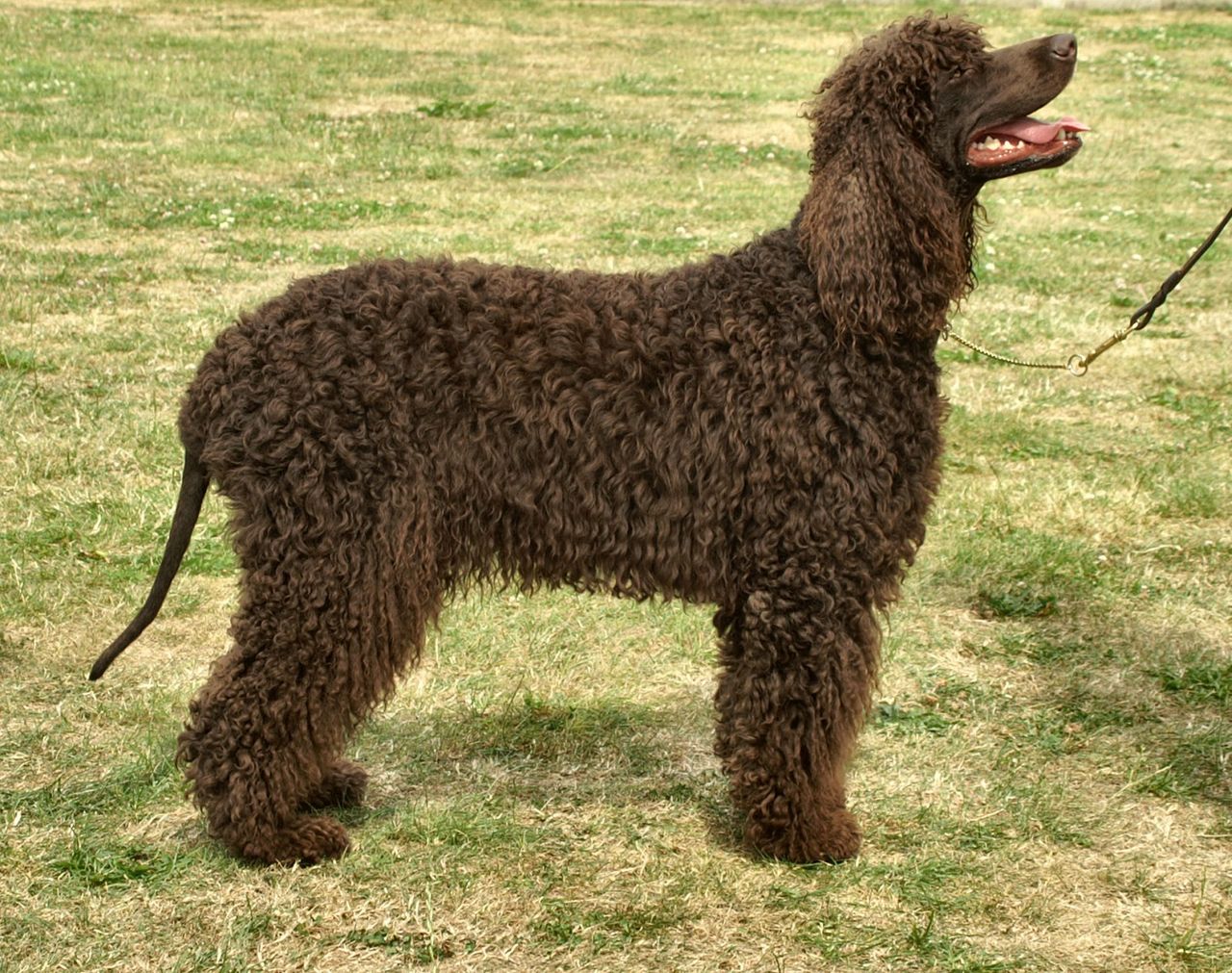
The Foxhoodle inherits the Poodle's distinctive thick, curly coat, which can come in a variety of colors and patterns, including solid colors, parti-color, and tricolor. Occasional baths, along with regular trims or clips to maintain the desired appearance, are also necessary.
While the Foxhoodle's coat is low-shedding, it is not considered hypoallergenic, so individuals with allergies should be cautious when considering this breed. Those with severe allergies may want to consult with a veterinarian before bringing a Foxhoodle into their home.
Health Considerations
Respiratory disease, anorexia, dehydration, skin disorders, and gastrointestinal disease are some of the common health concerns for Foxhound puppies. It's important for owners to be aware of these potential issues and to seek veterinary care if any signs of illness are observed. Respiratory disease, such as tuberculosis, has been a concern for some Foxhound populations, particularly in areas with a high incidence of bovine tuberculosis. It's important for owners to be aware of their dog's diet and environment to minimize the risk of respiratory issues.
Other potential health concerns include patellar luxation, which is the dislocation of the kneecap, and epilepsy, a disorder characterized by recurring seizures.
Exercise and Activity Needs
Given their high energy levels, Foxhoodles require ample exercise to stay healthy and happy. They enjoy activities that challenge their minds and bodies, such as agility training, obedience classes, and puzzle toys.
Without adequate exercise, a Foxhoodle may become bored and exhibit destructive behavior. They may also develop behavioral issues, such as excessive barking or separation anxiety. It's important for owners to provide their Foxhoodle with a variety of exercise and training opportunities to keep them mentally and physically fit.
Buying a Foxhoodle
Responsible breeders prioritize the health and well-being of their dogs and will be able to provide you with information about the dog's background, health, and temperament. When buying a Foxhoodle, here are some tips to keep in mind:
- Research reputable breeders and ask for references. Look for breeders who are members of recognized kennel clubs and adhere to breed standards.
- Visit the breeder's facility to see the dogs in their environment. A clean, well-maintained facility with healthy dogs is a good indicator of a responsible breeder.
- Ask about the dog's health history and genetic testing. Responsible breeders should be willing to discuss any known health concerns and provide documentation of genetic testing, such as for hip and elbow dysplasia.
- Meet the dog's parents to assess their temperament and health. Observing the parents can give you insight into the potential temperament and health of the puppies.
- Ensure the breeder provides a contract with guarantees against hereditary defects and offers a health guarantee. A good breeder will stand behind their dogs and provide support even after the sale.
- Consider the cost of purchasing a Foxhoodle. Responsible breeders may charge a higher price to ensure the quality and health of their puppies.
Frequently Asked Questions
What is the lifespan of the Foxhoodle?
The average lifespan of the Foxhoodle is about 10-15 years. Good nutrition and regular veterinary care support a healthy life.
What is the temperament of the Foxhoodle?
The Foxhoodle is known for: Intelligent, Energetic, Friendly, Alert, Loyal, Playful. Its energy level is high.
What size and weight is the Foxhoodle?
It is a large dog, typically around Male: 23-32; Female: 18-29 kg as an adult.
Is the Foxhoodle easy to care for?
Reliable grooming and shedding ratings are not available. Routine brushing, ear and dental care, and nail trims are still recommended.
Is the Foxhoodle good with kids and other pets?
Reliable child- and pet-friendliness ratings are not available. Supervised, gradual introductions are recommended.
How much exercise does the Foxhoodle need?
With a high energy level, it needs walks, play or training matched to its stamina.
Foxhoodle
Trait Scores
N/A