Origin and History
The Finnish Spitz originated in Finland, where it has been a cherished breed for centuries. Known as Finland's national dog, this breed was initially developed for hunting, particularly targeting a variety of game including squirrels, rodents, and even bears. The Finnish Spitz is a "bark pointer," using its distinctive barking style to indicate the location of game, a trait that has made it highly valued by hunters. Its hunting purpose included pointing out game that had fled into trees, such as grouse and capercaillies, as well as elk hunting. The breed is still predominantly used for hunting in its native country.
The breed's history is closely tied to the migration of Spitz-type dogs from central Russia around 3,000 years ago. These dogs accompanied small clans of woodsmen, who relied on them for hunting. By the late 19th century, the Finnish Spitz faced extinction due to crossbreeding with other dog breeds. It was saved by Hugo Roos, a Finnish sportsman, who began a selective breeding program to preserve the pure Finnish Spitz. The modern breed is a result of his efforts, with the Finnish Kennel Club revising the breed standard six times, the latest revision confirmed in 1996.
In 1979, the Finnish Spitz was officially declared Finland's national dog breed, marking its significance in the country's cultural heritage. The Finnish Kennel Club is also actively seeking to have the hunting experience with the Finnish Spitz included on the UNESCO Intangible Cultural Heritage List.
Appearance and Coat
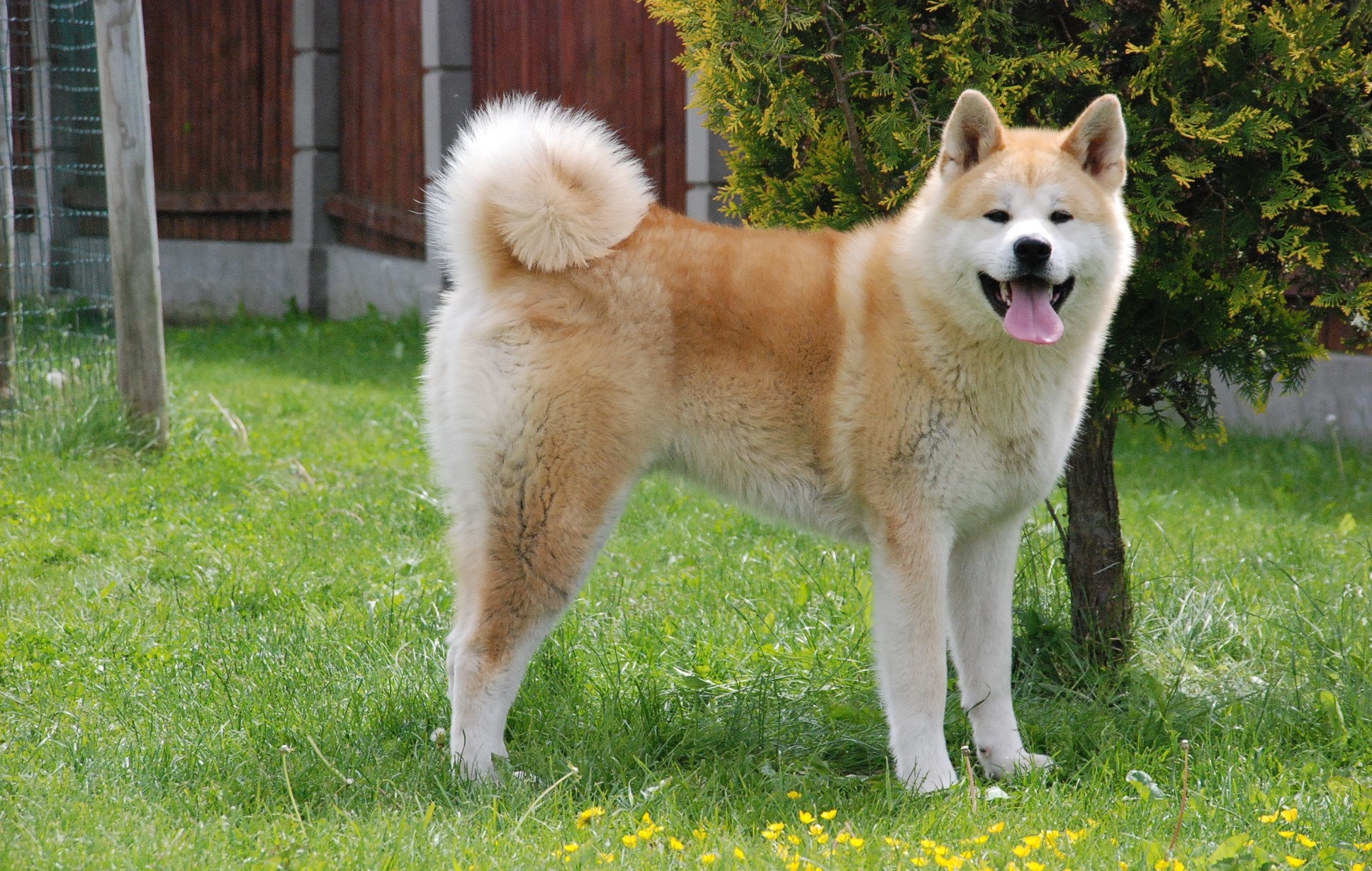
The Finnish Spitz is a medium-sized dog with a distinctive fox-like appearance. It has a dense golden-red double coat, which is an essential part of its identity. The coat consists of a soft, dense undercoat and long, harsh guard hairs that can measure up to 2.5 to 5 cm (one to two inches) in length. The outer coat should not exceed 2.5 centimeters (0.98 inches) at the ruff, and the coat is stiffer, denser, and longer on the neck, back, back of thighs, and plume of the tail. The coat is typically shorter on the head and legs, with males having a slightly longer and coarser coat than females.
The breed loses its undercoat twice a year, and it is imperative for owners to brush out the old undercoat to allow the new coat to grow properly. Excessive undercoat can lead to serious skin problems. The show coat should appear completely natural, with a brush-through allowed but no trimming, not even of whiskers. Any excessive undercoat should be removed, and the hair under the feet and toe nails should be trimmed neatly for show.
Puppies are often described as looking similar to a red fox cub, with colors ranging from dark grey, black, brown, or fawn with a large amount of black. Adult dogs typically have a golden-red coat with variations from pale honey to dark chestnut. The coat should be bright and clear, with no hints of dullness, and the undercoat must always be lighter in color than the topcoat. A small patch of white on the chest, no more than 1.5 cm (0.59 inches) wide, is allowable, and white tips on the feet are acceptable but not desired.
Temperament and Personality
The Finnish Spitz is an active, alert, and lively breed, requiring one or two long walks each day. This breed is typically friendly and good with children, always ready to play but also capable of walking away if ignored.
As an independent breed, the Finnish Spitz is attached to its family while remaining aloof with strangers. They tend to be protective, with males displaying more domineering traits than females. While they generally get along well with other dogs in the household, they are bred as hunting dogs and may not be reliable around small animals and pet birds. However, individual Finnish Spitzes can live well with cats, especially if they are raised together.
The Finnish Spitz is known for its barking, which is a significant part of its hunting activities. They are prized for their barking abilities, which can range from short, sharp barks to many barks per minute that sound like a yodel. In Finland, a competition is held to find the "King of the Barkers. " The breed can be trained to reduce barking, making them excellent watchdogs.
Training and Exercise Needs
The Finnish Spitz is an intelligent and strong-willed breed, requiring a soft voice and gentle touch during training. Harsh training methods are not effective and may lead to resistance. Positive reinforcement and patience are key to successful training.
They enjoy activities that stimulate their mind and body, such as agility training or flyball. This breed is not well-suited to apartment living and requires a home with access to a yard or other outdoor space.
Health and Lifespan
The Finnish Spitz is generally a healthy breed with few general health concerns. Owners should be aware of the following health issues:
- Elbow dysplasia: A condition where the dog's elbow joint does not fit together properly, which can cause pain and mobility issues.
- Epilepsy: A disorder that causes seizures, more prevalent in male dogs than females. Factors associated with idiopathic epilepsy include age (less than 4 years old), number of feeding times per day, exposure to extreme stressful situations (such as hunting), and sex.
- Hip dysplasia: A condition where the hip joint does not fit together perfectly, which can lead to arthritis and lameness.
- Patellar luxation: A dislocation of the kneecap, which can cause pain and difficulty walking.
The median lifespan of the Finnish Spitz is about 11.2 years.
Choosing a Finnish Spitz
When considering a Finnish Spitz, there are several factors to keep in mind:
- Be prepared for the breed's distinctive barking behavior and consider whether it is suitable for your lifestyle.
- Look for a reputable breeder who can provide information on the health history of the puppy's parents.
- Consider the breed's energy level and adaptability to your living situation.
By doing your research and finding a responsible breeder, you can ensure that you bring a healthy and well-adjusted Finnish Spitz into your home.
Frequently Asked Questions
What is the lifespan of the Finnish Spitz?
The average lifespan of the Finnish Spitz is about 12-15 years. Good nutrition and regular veterinary care support a healthy life.
What is the temperament of the Finnish Spitz?
The Finnish Spitz is known for: Friendly, Alert, Intelligent, Independent, Playful, Courageous. Its energy level is high.
What size and weight is the Finnish Spitz?
It is a medium-sized dog, typically around Male: 11-15; Female: 9-13 kg as an adult.
Is the Finnish Spitz easy to care for?
Reliable grooming and shedding ratings are not available. Routine brushing, ear and dental care, and nail trims are still recommended.
Is the Finnish Spitz good with kids and other pets?
Reliable child- and pet-friendliness ratings are not available. Supervised, gradual introductions are recommended.
How much exercise does the Finnish Spitz need?
With a high energy level, it needs walks, play or training matched to its stamina.
Finnish Spitz
Trait Scores
N/A