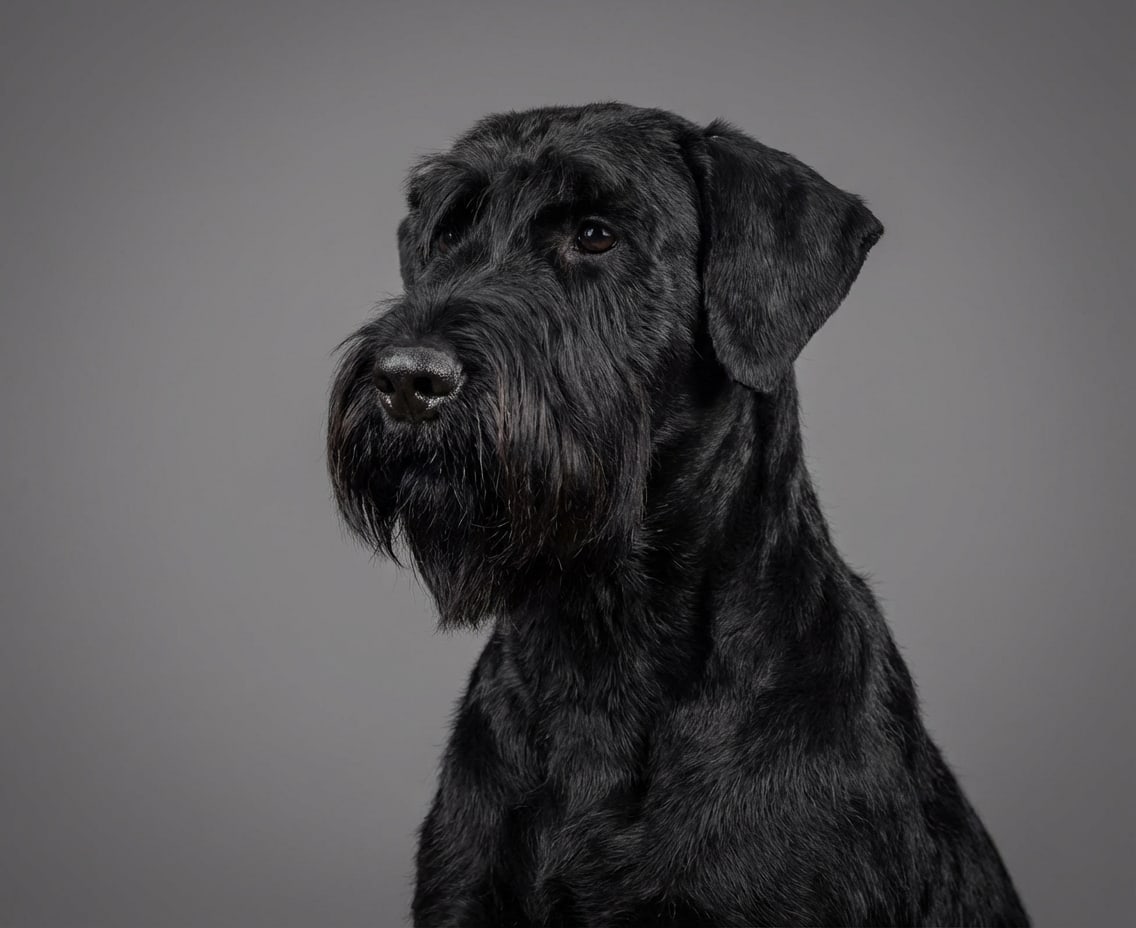
Origin and Historical Context
The Faroese Sheepdog hails from the Faroe Islands, a group of islands located in the North Atlantic Ocean between Scotland and Norway. These islands have a rich history, having been inhabited by Norsemen from Norway in the 10th century, who settled the southern part of the islands.
The Faroe Islands were politically and culturally associated with the European kingdom of Norway from 986 until the early 15th century. The Norsemen's presence and influence are evident in the islands' history, including the naming of the islands themselves by Erik the Red, who named it "Grœnland" (Greenland) in the hope of attracting settlers.
Following the union of Denmark and Norway in the 18th century, the Faroe Islands gradually became associated with Denmark. In 1814, when Denmark and Norway separated, Greenland was transferred from the Norwegian to the Danish crown, further solidifying the connection between the Faroe Islands and Denmark.
The Faroese Sheepdog was developed to meet the specific needs of the Faroe Islands, where the breed was used for herding sheep and protecting them from predators. The dog's intelligence and strong work ethic were essential in the challenging conditions of the islands, which include rugged terrain and harsh weather.
Historical records indicate that the breed was well-established by the 16th century, and it has remained relatively unchanged since then, with minimal influence from other breeds. This has helped preserve the unique characteristics of the Faroese Sheepdog.
Breed Characteristics
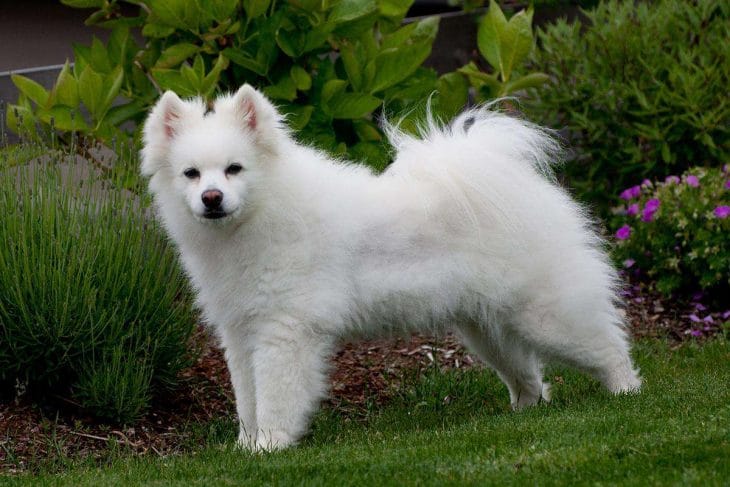
The Faroese Sheepdog is a medium-sized spitz-type herding dog, known for its dense, weather-resistant double coat, which is well-suited to the harsh Nordic climate of the Faroe Islands. The outer coat is straight and lies close to the body, while the undercoat is thick and woolly, providing insulation against the cold.
These dogs are intelligent, energetic, and loyal, making them excellent herding dogs capable of working in rugged terrain. Their alertness and work-focused nature are traits that have been honed over generations of working alongside sheep in the challenging landscapes of the Faroe Islands. They are known for their strong herding instinct and their ability to handle a large number of sheep at once.
With a lifespan of 11-15 years, the Faroese Sheepdog is a robust and hardy breed, weighing between 11-20 kg for males and 10-18 kg for females. Their height ranges from 43-51 cm for males and 41-48 cm for females, making them a sturdy and well-proportioned breed.
The Faroese Sheepdog has a distinctive appearance with a fox-like face, pointed ears, and a bushy tail that is often carried over the back.
Temperament and Behavior
While they are work-focused, the Faroese Sheepdog can be independent, which means they may require consistent training and clear boundaries. Their low friendliness level suggests they may be reserved with strangers, which is not uncommon in breeds with a strong working background. This behavior is a result of their natural instinct to protect their flock and territory.
Despite their high energy levels, the Faroese Sheepdog can adapt to various living situations, as long as they receive adequate exercise and mental stimulation. Their shedding level is medium, and their grooming needs are moderate, requiring regular brushing to maintain their coat's health and appearance. This grooming is not only for aesthetic reasons but also to prevent skin issues that can arise from a buildup of dead hair.
These dogs are known for their intelligence and trainability, making them suitable for advanced training and activities such as agility and obedience. Their natural herding instincts can also be channeled into dog sports like herding trials, where they excel.
Health Considerations
Owners should be vigilant for signs of malnutrition, which may have been a concern for the Norse population in the past due to factors such as soil erosion and climate change. This history may have contributed to the breed's robustness and resilience, but it also means that owners must monitor their dog's diet to ensure they receive proper nutrition.
Other health concerns that may affect the Faroese Sheepdog include hip dysplasia, which can be a significant issue in large breeds, and epilepsy, which can affect dogs of any breed.
Living with a Faroese Sheepdog
Living with a Faroese Sheepdog requires a commitment to their active lifestyle. Without adequate exercise, they may become restless or destructive.
Training is an important aspect of owning a Faroese Sheepdog. Their strong herding instinct can sometimes lead to herding behavior with people or other pets, which should be addressed through training.
While the Faroese Sheepdog may not be the best choice for everyone, they can be a great fit for active families or individuals who are willing to provide them with the attention and exercise they need. Their moderate shedding and grooming requirements make them a manageable option for those with allergies or limited time for grooming. However, their energetic nature means they are best suited to homes with a yard or access to open spaces.
Buying a Faroese Sheepdog
Ask about the health history of the puppy's parents and whether the breeder has conducted genetic testing for common health issues. Reputable breeders will be transparent about the health and temperament of their dogs.
Additionally, consider the long-term costs of owning a dog, including food, veterinary care, grooming, and other supplies. The initial cost of a puppy from a reputable breeder can range from a few hundred to a few thousand dollars, depending on the breeder's reputation and the dog's bloodline.
Ensure that your home and lifestyle are a good match for a Faroese Sheepdog. Their high energy levels and strong herding instincts make them a great companion for those who are willing to invest in their well-being.
Cost and Budgeting
Be prepared to spend anywhere from a few hundred to a few thousand dollars on a puppy from a reputable breeder.
Remember to budget for the long-term costs of owning a dog, including food, veterinary care, grooming, and other supplies. The Faroese Sheepdog may require specialized food due to their high energy levels and specific dietary needs, which can add to the cost.
Additionally, consider the costs of training and activities that may be of interest to your dog, such as agility classes or herding trials. These activities can provide mental stimulation and help strengthen the bond between you and your dog.
Frequently Asked Questions
What is the lifespan of the Faroese Sheepdog?
The average lifespan of the Faroese Sheepdog is about 11-15 years. Good nutrition and regular veterinary care support a healthy life.
What is the temperament of the Faroese Sheepdog?
The Faroese Sheepdog is known for: Intelligent, Energetic, Loyal, Alert, Work-focused, Independent. Its energy level is high.
What size and weight is the Faroese Sheepdog?
It is a large dog, typically around Male: 11-20; Female: 10-18 kg as an adult.
Is the Faroese Sheepdog easy to care for?
Reliable grooming and shedding ratings are not available. Routine brushing, ear and dental care, and nail trims are still recommended.
Is the Faroese Sheepdog good with kids and other pets?
Reliable child- and pet-friendliness ratings are not available. Supervised, gradual introductions are recommended.
How much exercise does the Faroese Sheepdog need?
With a high energy level, it needs walks, play or training matched to its stamina.
Faroese Sheepdog
Trait Scores
N/A