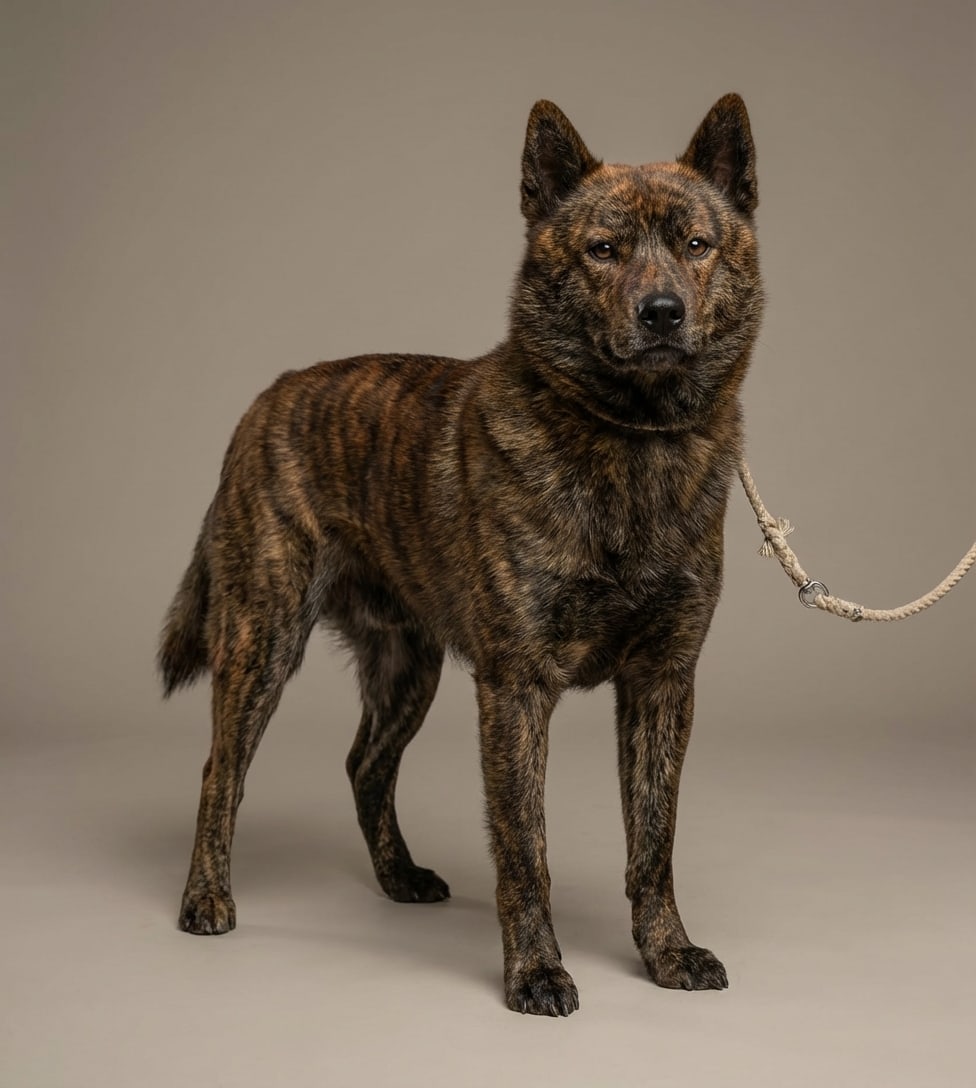
Origin and Development
The Eurasier, a medium-sized Spitz-type dog, originated in Germany in 1960. This breed was developed through cross-breeding popular European and Asian Spitz breeds, including the Chow Chow, the Wolfspitz, and later the Samoyed. The founder, Julius Wipfel, along with Charlotte Baldamus and a group of enthusiasts, aimed to create a breed that combined the best qualities of these breeds. Initially named "Wolf-Chow," the breed was renamed "Eurasier" in 1973 after being recognized by the Fédération Cynologique Internationale (FCI), the international recognized canine registry.
The Eurasier breed was recognized by the Canadian Kennel Club (CKC) in 1995, signifying its acceptance and distinct characteristics within the canine community. The breed was transferred from the imported register to the breed register in 2013, acknowledging its stability and established presence in Canada.
Notably, unethical breeders have attempted to pass off Keeshond/Chow Chow mixes as Eurasiers, but these cannot be classified as true Eurasiers due to genetic differences and the specific breeding history of the Eurasier. This highlights the importance of purchasing from reputable breeders who adhere to the breed's standard and lineage.
Appearance
The Eurasier is a balanced and well-constructed dog, known for its medium-length, thick, plush double coat. The coat comes in various colors, including fawn, red, wolf-grey, solid black, and black and tan. The FCI standards specify that the Eurasier should have a thick undercoat and medium-long, loosely lying guard hair all over the body, with a shorter coat on the muzzle, face, ears, and front legs. The tail and the back of the front legs (feathers) and hind legs (breeches) are covered with long hair. The neck's coat is slightly longer than the body's, but it does not form a mane.
Male Eurasiers stand at a height of 52 to 60 cm (20 to 24 inches) at the withers and weigh between 23 to 32 kg (51 to 71 pounds), while females are 48 to 56 cm (19 to 22 inches) tall and weigh between 18 to 26 kg (40 to 57 pounds). Their pink, blue-black, or spotted tongues add to their unique appearance and are often a characteristic feature that distinguishes them from other breeds.
Temperament and Behavior
Eurasiers are known for their calm, even-tempered nature. They are watchful and alert but reserved with strangers, maintaining a dignified reserve without being timid or aggressive. This temperament makes them excellent family pets and companions for those seeking a loyal and protective dog.
As companion dogs, Eurasiers are not well-suited for kennel environments or roles such as sled or guard dogs. They should not be restricted to a yard, kennel, crate, or chained up, as this can lead to depression and anxiety. Instead, they excel as therapy dogs and enjoy a variety of activities, especially when they involve their family. Indoors, they are calm and quiet, while outdoors, they are lively and enjoy action, which is why they are often referred to as "velvet lions" due to their active nature when outside.
Health Considerations
Eurasiers are generally healthy dogs, but a small gene pool in their early years has led to some hereditary diseases. Common health issues include hip dysplasia, luxating patella, and hypothyroidism. Eye disorders such as distichiae, entropion, and ectropion may also occur. Ethical preservation breeders conduct health testing and achieve titles in conformation and performance sports to demonstrate the breed's standard in health, temperament, and appearance.
Health testing should include OFA scores for hips, elbows, patellas, eyes, dentition, Dandy-Walker Like Malformation, and Auto-immune hypothyroiditis. Breeding stock should be tested for hypothyroidism at least every two years or if symptoms arise. Dogs diagnosed with hypothyroidism should not be bred, as the condition can be controlled with medication but is not desirable in breeding stock. This ensures that future Eurasier owners can expect a healthy, well-adjusted companion.
Breeding and Ethical Practices
Breeding Eurasiers requires a commitment to ethical practices and health testing. Responsible breeders aim to produce dogs that meet the breed standard in health, temperament, and appearance. This involves conducting appropriate health testing on breeding stock and achieving titles in conformation and performance sports. Breeding stock should be tested for conditions such as hip dysplasia, luxating patella, and hypothyroidism, ensuring that they are good representatives of the breed standard.
This ensures that future Eurasier owners can expect a healthy, well-adjusted companion. Responsible breeders also focus on the socialization and temperament of the puppies, providing them with a well-rounded upbringing that prepares them for life in a variety of environments.
Living with an Eurasier
Living with an Eurasier requires understanding their temperament and needs. They are not well-suited for kennel environments or roles that require them to be away from their family for extended periods.
Grooming requirements are moderate, with regular brushing to maintain the coat's condition.
Eurasiers are best suited for families or individuals who can provide them with the attention, exercise, and social interaction they require. They are highly intelligent and respond well to training, making them enjoyable pets for those who enjoy engaging with their dogs.
Buying an Eurasier
Look for breeders who conduct health testing on their breeding stock and achieve titles in conformation and performance sports. This demonstrates a commitment to the breed standard and the dogs' overall health. When purchasing an Eurasier, consider the following checklist:
- Reputable breeder with health testing and performance titles
- Health clearances for common hereditary conditions such as hip dysplasia, luxating patella, and hypothyroidism
- Proper socialization and temperament, which can be assessed during a visit to the breeder's facility
- Clear contract and health guarantee, ensuring the breeder stands behind the health of their puppies
Frequently Asked Questions
What is the lifespan of the Eurasier?
The average lifespan of the Eurasier is about 12-14 years. Good nutrition and regular veterinary care support a healthy life.
What is the temperament of the Eurasier?
The Eurasier is known for: Calm, Confident, Loyal, Intelligent, Gentle, Reserved. Its energy level is low.
What size and weight is the Eurasier?
It is a large dog, typically around Male: 23-32; Female: 18-26 kg as an adult.
Is the Eurasier easy to care for?
Reliable grooming and shedding ratings are not available. Routine brushing, ear and dental care, and nail trims are still recommended.
Is the Eurasier good with kids and other pets?
Reliable child- and pet-friendliness ratings are not available. Supervised, gradual introductions are recommended.
How much exercise does the Eurasier need?
With a low energy level, it needs walks, play or training matched to its stamina.
Eurasier
Trait Scores
N/A



