Origin and Development
The Estonian Hound, known as "eesti hagijas" in Estonian, is a unique breed developed in Estonia. It was bred in 1947 as part of the Soviet Union's initiative to create a national breed for each republic. This initiative was a response to the rapid decline of Estonia's wildlife population due to the large breeds of hunting dogs in use at the time. The Estonian Hound was specifically bred to be a smaller, agile hunting dog, with a maximum height of 17 inches, to target small game like hare and foxes, which were the only animals allowed to be hunted in Estonia. The breed's creator, a veterinarian named Jüri Jõemets, was instrumental in developing the breed's initial characteristics.
After Estonia gained its independence in 1991, the Estonian Hound was designated as the country's national dog, reflecting its cultural significance and role in the nation's history. The Estonian Hound Club was founded in 1992, further solidifying the breed's recognition and promoting its conservation.
The breed's development involved crossbreeding several foreign dog breeds with local hunting dogs, including the German Shorthaired Pointer, Dachshund, and Basset Hound. This resulted in a scent hound-like breed that is highly valued for its hunting abilities and agility. The Estonian Hound's registry, the Estonian Hound Club, was established in 1994, and the breed was officially recognized by the Fédération Cynologique Internationale (FCI) in 2006.
Physical Description
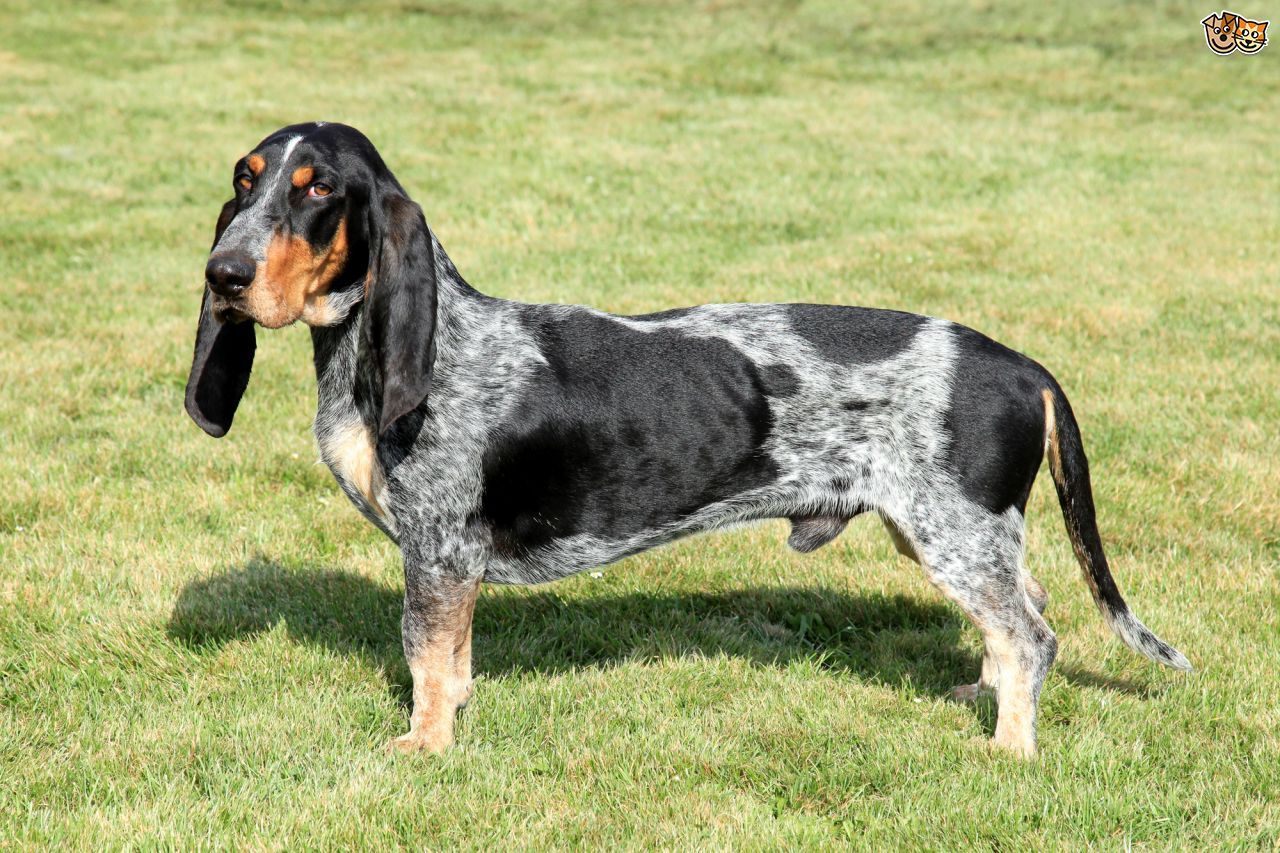
The Estonian Hound is a medium-sized dog with a strong muscular body, bone structure, and well-developed muscles. It has a short and rough coat that is shiny and lacks folds in its skin. The undercoat is weakly developed, and the breed's eyes are dark brown in color. The coat color typically includes black patches and a dark pigmented skin, with the size of the patches being unlimited. Other allowed colors include blackish-brown, red, and saddle-like patches on the back, although the tip of the tail must be white. This distinctive coat helps the Estonian Hound blend into their hunting environment and effectively scent track their prey.
Adult Estonian Hounds have a height range of 45-52 cm for males and 42-49 cm for females, and they weigh between 20-30 kg. Their compact and agile build makes them well-suited for the demanding work of hunting small game in dense forests and rugged terrain.
Temperament and Behavior
The Estonian Hound is known for its friendly, energetic, alert, intelligent, and calm temperament. This balanced nature makes them a pleasant companion, but it also requires them to be socialized and exposed to new situations and environments from a young age to prevent timidity and aggression. They are often described as having a "soft" temperament, which is highly sought after in hunting dogs.
They are good with other dogs and usually also with cats if they are accustomed to them as puppies. Their love for human attention is evident, and they can become upset when left alone for extended periods. Their pleasant voice during hunting is also a notable trait, often described as a "baritone bark" that is not too loud but carries well over distances.
Health and Genetics
The Estonian Hound is generally a healthy breed, but like all dogs, they can be prone to certain health issues. Specific conditions that may affect this breed include hip dysplasia, which can lead to mobility issues, and elbow dysplasia, which can cause pain and discomfort in the elbows. These conditions are more common in large breeds but can occur in the Estonian Hound as well.
Other potential health concerns include von Willebrand's disease, a bleeding disorder; and degenerative myelopathy, a progressive disease of the spinal cord.
Life Span and Care
The Estonian Hound has a life span of 12-15 years, which is typical for medium-sized dogs. Their lifespan can be influenced by factors such as genetics, diet, exercise, and veterinary care.
Given their high energy level, the Estonian Hound requires regular physical activity to maintain their health and well-being.
Regular brushing helps to remove loose fur and distribute natural oils, keeping the coat healthy and shiny. They may require occasional bathing, especially if they have been in muddy conditions while hunting. Nail trimming, ear cleaning, and dental care are also important aspects of their grooming routine.
Adaptability and Living Conditions
They can adapt to apartment living if they receive adequate exercise and mental stimulation, but their hunting instincts may lead to destructive behavior if not properly managed. Consistent training and socialization are key to ensuring they adapt well to different environments.
Given their friendly and affectionate nature, the Estonian Hound is best suited for families or individuals who appreciate an energetic, intelligent, and loyal companion. They enjoy being part of a family and can be excellent pets for active individuals or families who enjoy outdoor activities.
Cost and Ownership Considerations
Given their high energy level and exercise requirements, the Estonian Hound may not be the best choice for individuals with a sedentary lifestyle or limited space. Their need for mental stimulation and social interaction also means they require a committed owner who can provide them with the attention and care they need.
Responsible ownership of an Estonian Hound involves understanding their breed-specific needs, including their hunting instincts, energy level, and temperament. The cost of owning an Estonian Hound includes not only the initial purchase price but also ongoing expenses such as food, veterinary care, grooming, and training.
Frequently Asked Questions
What is the lifespan of the Estonian Hound?
The average lifespan of the Estonian Hound is about 12-15 years. Good nutrition and regular veterinary care support a healthy life.
What is the temperament of the Estonian Hound?
The Estonian Hound is known for: Friendly, Energetic, Alert, Intelligent, Calm. Its energy level is high.
What size and weight is the Estonian Hound?
It is a large dog, typically around 20-30 kg as an adult.
Is the Estonian Hound easy to care for?
Reliable grooming and shedding ratings are not available. Routine brushing, ear and dental care, and nail trims are still recommended.
Is the Estonian Hound good with kids and other pets?
Reliable child- and pet-friendliness ratings are not available. Supervised, gradual introductions are recommended.
How much exercise does the Estonian Hound need?
With a high energy level, it needs walks, play or training matched to its stamina.
Estonian Hound
Trait Scores
N/A