Origin and History
The Erbi Txakur, a medium-sized, agile scent hound, hails from the Basque Country in northern Spain. This breed, specifically bred for hunting hare and small game, has its origins in the provinces of Álava and Bizkaia. Recognized as a traditional Basque breed in 2001, the Erbi Txakur was one of the fourteen indigenous animal breeds included in the rural development plan for the País Vasco from 2007 to 2013. It is one of the five Basque breeds of dog, sharing this heritage with the Basque Shepherd Dog, Pachón de Vitoria, Villano de Las Encartaciones, and Villanuco de Las Encartaciones. The breed's history is closely tied to the Basque Country's rich tradition of hunting, with the first written records of the Erbi Txakur dating back to the 16th century. Unfortunately, the breed is critically endangered, with fewer than fifty examples recorded in 2009, and its future remains uncertain.
Breed Characteristics
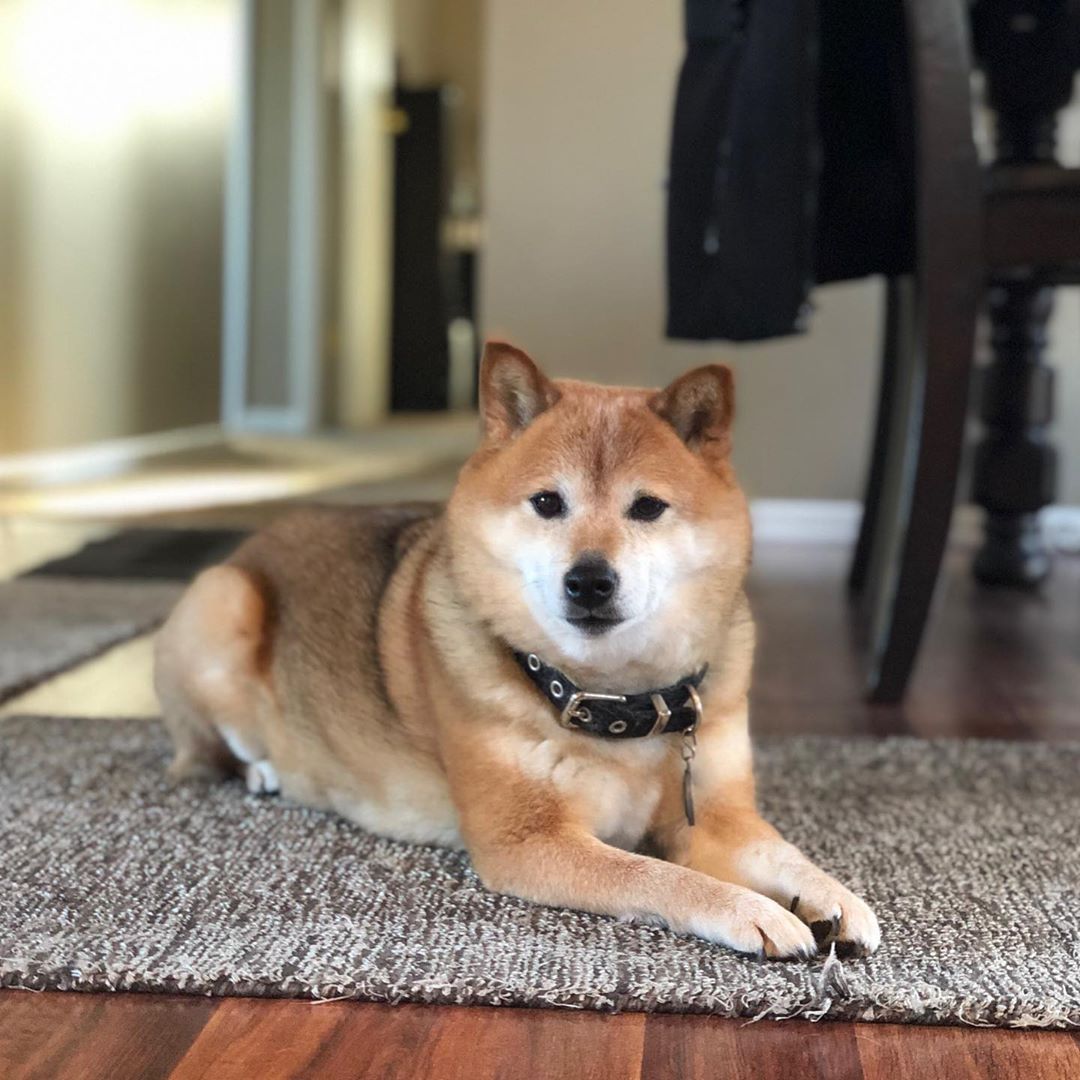
The Erbi Txakurra is a medium-sized dog, slightly smaller than the Sabueso Español but more muscular. Its coat is short and features a uniform pale orange-brown color with irregular white markings, typically found on the face, chest, paws, and tail tip. The breed has pigmented nose and palate, with chestnut-brown eyes. Males weigh between 15-20 kg and stand at 48-56 cm tall, while females weigh 13-18 kg and are 46-54 cm tall. Despite its size, the Erbi Txakur is known for its endurance, keen sense of smell, and ability to work over challenging terrain.
Temperament and Behavior
Characterized by an intelligent and energetic temperament, the Erbi Txakur is alert and loyal. This breed is work-focused, which is evident in its hunting instincts. While it may not be overly friendly with strangers, it is known for its loyalty to its owners. With a high level of trainability, the Erbi Txakur can be taught various tasks and commands effectively. However, its low friendliness rating suggests that it may not be the best choice for households with children or other pets. This behavior is consistent with its hunting heritage, where a focused and independent nature is advantageous for tracking game.
Breeder Purpose and Use
The primary purpose of breeding the Erbi Txakur has been as a scent hound. Historically, it was used for hunting hare, but with the decline of hare populations in the Basque Country, its use has shifted to hunting wild boar, roe deer, and occasionally foxes. This adaptability to different game types highlights the breed's versatility and resilience in the field.
Health and Genetic Considerations
However, specific conditions related to this breed are not widely documented. Given its critically endangered status, genetic diversity is limited, which can increase the risk of hereditary diseases. Responsible breeders should conduct thorough health screenings, including evaluations for hip dysplasia, which is a common concern in many breeds, and eye disorders such as cataracts and glaucoma. Genetic diversity is also a concern for the breed's coat color, which is subject to a specific genetic pattern.
Lifestyle and Care
Due to its high energy level, the Erbi Txakur requires a significant amount of physical exercise to stay healthy and happy.
Buying an Erbi Txakur
It is also advisable to inquire about the health history of the puppy's parents and to request documentation of any health screenings performed. Given the breed's high energy level and trainability, it is best suited for active individuals or families who can provide ample exercise and mental stimulation. The breed's critically endangered status also means that adopting or purchasing an Erbi Txakur should be approached with a sense of responsibility and a commitment to preserving the breed's future.
Coat and Colour Standards
The coat of the Erbi Txakur is a distinctive feature of the breed. It is short and dense, providing protection while hunting. The standard color is a uniform pale orange-brown, often referred to as "pale orange," with irregular white markings. These markings are typically found on the face, chest, paws, and tail tip, and they can vary in size and shape. The coloration is determined by a specific genetic pattern, and breeders must be vigilant to maintain the breed's unique coat characteristics.
Registry History
The Erbi Txakur was recognized as a traditional Basque breed in 2001, a significant milestone for the breed's recognition and preservation. The breed's registry history is closely tied to its endangered status and the efforts to preserve it. The Spanish Canine Registry (Real Sociedad Canina de España) plays a crucial role in maintaining the breed's registry, ensuring that only dogs meeting specific criteria are registered.
Frequently Asked Questions
What is the lifespan of the Erbi Txakur?
The average lifespan of the Erbi Txakur is about 12-14 years. Good nutrition and regular veterinary care support a healthy life.
What is the temperament of the Erbi Txakur?
The Erbi Txakur is known for: Intelligent, Energetic, Alert, Loyal, Work-focused. Its energy level is high.
What size and weight is the Erbi Txakur?
It is a large dog, typically around Male: 15-20; Female: 13-18 kg as an adult.
Is the Erbi Txakur easy to care for?
Reliable grooming and shedding ratings are not available. Routine brushing, ear and dental care, and nail trims are still recommended.
Is the Erbi Txakur good with kids and other pets?
Reliable child- and pet-friendliness ratings are not available. Supervised, gradual introductions are recommended.
How much exercise does the Erbi Txakur need?
With a high energy level, it needs walks, play or training matched to its stamina.
Erbi Txakur
Trait Scores
N/A