Origin and Historical Background
The English Foxhound, a scent hound breed, originated in England and has been a staple in fox hunting for over two hundred years. Its stud books date back before 1800, indicating a long-standing tradition of breeding for its exceptional hunting abilities. The breed was first documented in the early 18th century by influential figures such as the Duke of Beaufort and the Earl of March.
During the British rule in India, English Foxhounds were exported for jackal coursing. Although they were not as fast as greyhounds, their ability to provide a longer, more sporting chase made them a preferred choice for this purpose. The hot climate in India, however, did not favor their longevity, leading to a decline in the breed's population there.
Studbooks for the English Foxhound have been meticulously maintained since the 18th century, reflecting the breed's significance and the commitment to preserving its characteristics over generations. The Kennel Club, founded in 1873, has played a crucial role in the breed's registry and maintenance of standards.
Physical Description and Appearance
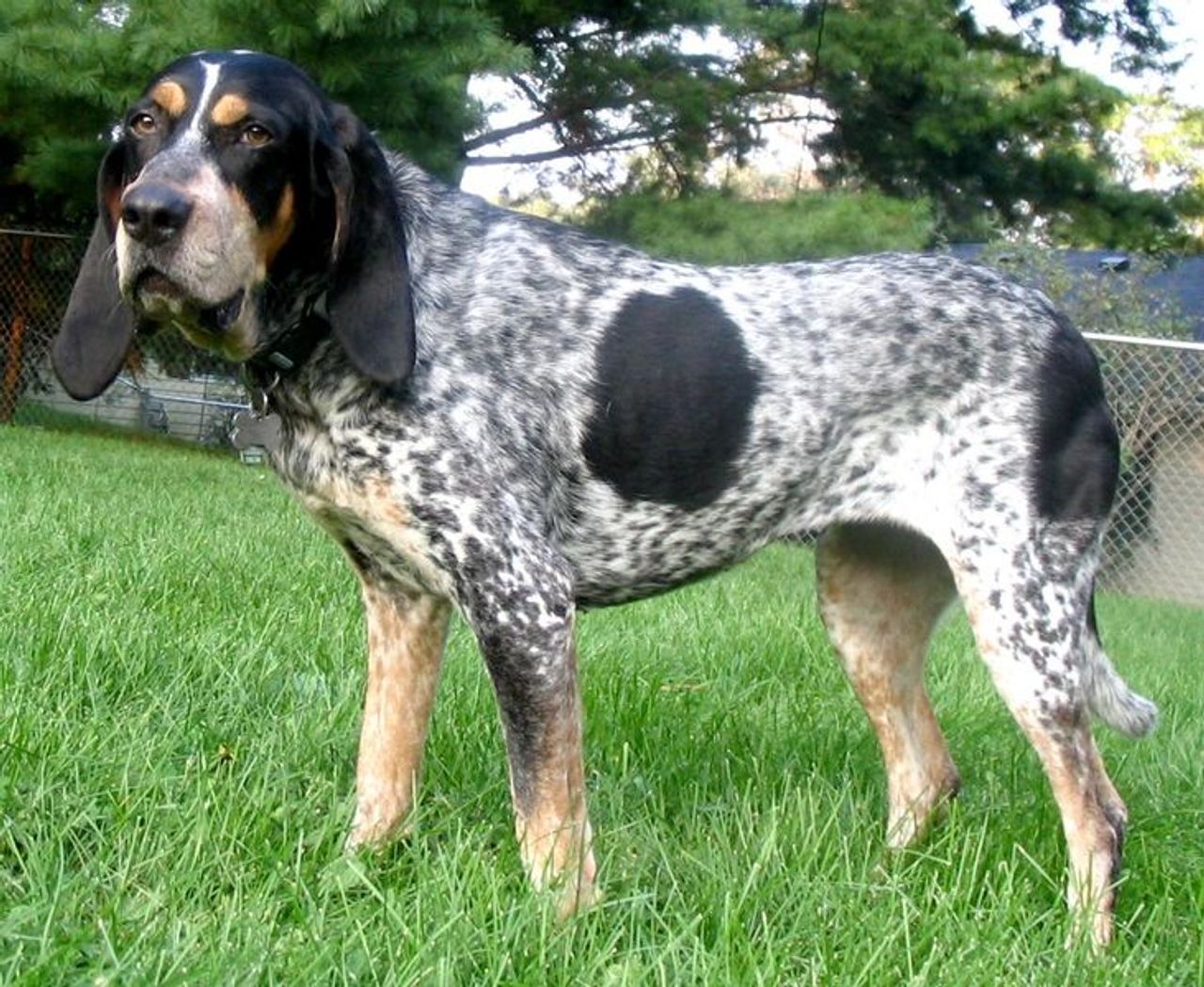
The English Foxhound stands at a height of 56-64 cm for males and 53-61 cm for females at the withers. The breed features a thick skull, a long muzzle, muscular legs, and rounded paws that resemble those of a cat. Their build is classic for pack-hound hunting dogs, with a powerful, athletic structure designed for endurance and stamina. This structure includes a deep chest, a strong back, and well-arched loin muscles.
Coat length is short and hard, with a dense texture that is suitable for various weather conditions. The English Foxhound comes in a variety of hound colors, including black and tan, red and white, tricolor, and white with lemon or chestnut markings. These colors and patterns are defined by the American Foxhound Club, which maintains the breed standard.
Temperament and Personality
English Foxhounds are known for their friendly, energetic, and gentle nature. They are courageous and independent, which is reflective of their hunting background. This temperament makes them excellent companions for active individuals or families with a keen interest in outdoor activities. Their pack instincts can also make them affectionate and loyal to their human pack members.
While they are friendly, their independent nature might sometimes make training more challenging. They may exhibit some stubbornness and require consistent, positive reinforcement methods. This temperament is well-suited for individuals or families who are patient and willing to invest time in training and socialization.
Breeding and Purpose
The English Foxhound is bred primarily as a hound, with a specific purpose of fox hunting. Their sense of smell is unparalleled, making them invaluable for trailing scents over long distances. They are known for their ability to maintain a steady pace and cover ground efficiently.
Due to their hunting background, English Foxhounds have a powerful, musical voice with a distinctive bay that is used to communicate within the pack during hunting excursions. This voice is a characteristic of the breed and is highly valued by hunters.
Size and Weight
Adult males typically weigh between 27-34 kg, while females weigh slightly less at 27-29 kg. This size and weight, combined with their athletic build, enable them to cover large distances while hunting without tiring easily.
Their size also contributes to their appearance, which is robust and muscular, fitting the image of a dedicated hunting dog. This physical build not only serves their hunting purpose but also ensures they can withstand the demands of active lifestyles and outdoor pursuits.
Health and Genetics
Specific health conditions can include hip dysplasia, which can be noticeable as difficulty in movement or lameness, and ear infections, which can cause discomfort and lead to ear pain or discharge. Other potential health issues include glaucoma, epilepsy, and gastric dilatation-volvulus (bloat), which can be life-threatening.
Genetic testing is available for hip dysplasia, which can help identify dogs at risk of developing the condition. Responsible breeders conduct these tests to reduce the incidence of hip dysplasia in the breed.
Lifespan and Maintenance
English Foxhounds generally have a lifespan of 10-13 years, which is considered average for a large breed.
While grooming requirements are moderate, they do have a medium shedding level, so regular brushing can help manage loose fur and minimize shedding indoors. Their coat also requires occasional bathing and ear cleaning, particularly if they are involved in hunting activities or spend time in areas with heavy vegetation.
Buying an English Foxhound
While the breed may not be hypoallergenic, many people with allergies find that they can live with English Foxhounds due to their lower shedding and lack of dander. However, it's important for potential owners to spend time with the breed to determine if they are allergic before making a commitment.
Given the breed's historical significance and hunting background, those interested in an English Foxhound should also have a passion for outdoor activities or a keen interest in dog sports to provide a fulfilling and stimulating environment for their new companion. They require a secure yard or a safe area to roam and are best suited for homes where they can participate in daily exercise and mental stimulation.
Frequently Asked Questions
What is the lifespan of the English Foxhound?
The average lifespan of the English Foxhound is about 10-13 years. Good nutrition and regular veterinary care support a healthy life.
What is the temperament of the English Foxhound?
The English Foxhound is known for: Friendly, Energetic, Gentle, Independent, Courageous. Its energy level is high.
What size and weight is the English Foxhound?
It is a large dog, typically around Male: 27-34; Female: 27-29 kg as an adult.
Is the English Foxhound easy to care for?
Reliable grooming and shedding ratings are not available. Routine brushing, ear and dental care, and nail trims are still recommended.
Is the English Foxhound good with kids and other pets?
Reliable child- and pet-friendliness ratings are not available. Supervised, gradual introductions are recommended.
How much exercise does the English Foxhound need?
With a high energy level, it needs walks, play or training matched to its stamina.
English Foxhound
Trait Scores
N/A



