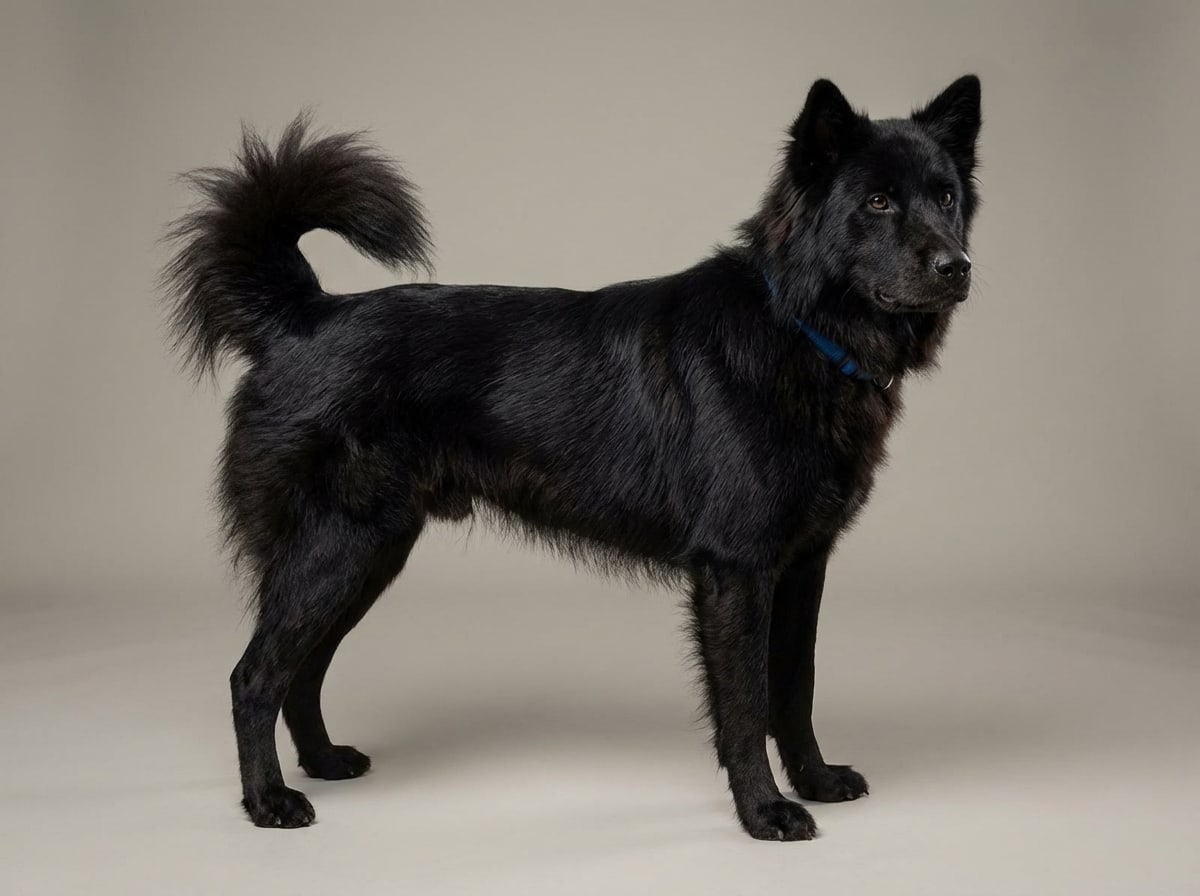
Origins and Physical Description
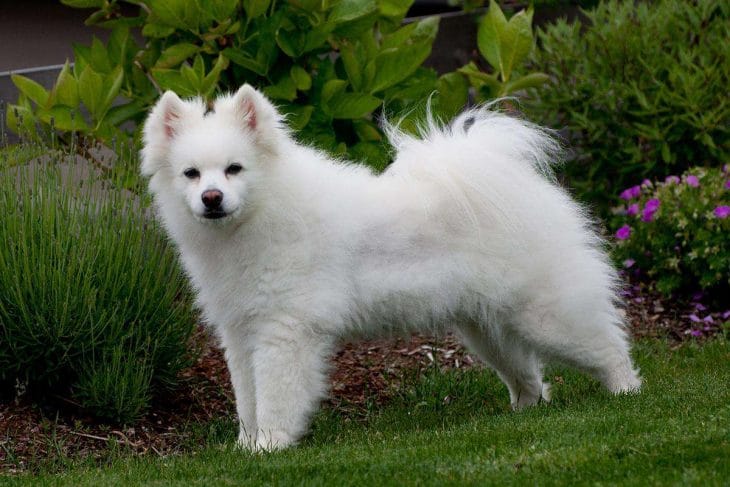
The East Siberian Laika, known as Vostotchno-Sibirskaia Laika in Russian, is a spitz-type hunting dog that originated in the Eastern Siberia region of Russia, east of the Yenisei River. This region is characterized by its extreme cold and harsh climate, which has shaped the breed's physical characteristics. Males typically stand at 55 to 66 centimeters (22 to 26 inches) tall, whereas females are slightly shorter at 51 to 60 centimeters (20 to 24 inches). Their coat is a medium-length double coat, featuring straight coarse guard hair and a soft thick undercoat, providing insulation against the temperatures that can drop to -40 degrees Celsius (−40 degrees Fahrenheit) in winter.
These dogs come in a variety of colors, including black and tan, with light patches known as "karamis," grizzle, patched, ticked, white, grey, black, red, and brown shades. The coat color can also vary based on the specific type of Laika, such as the Evenki, which often has a lighter coat, or the Irkutsk, known for its darker colors. The Evenki Laika, for instance, has a lighter coat that helps them blend into the snow-covered terrain, while the Irkutsk Laika has a denser, heavier coat to protect against the cold.
Their bodies are somewhat rangy, nearly square in proportion, with a slightly higher withers than the croup, indicating robust bones. This robust build is a result of their selection for endurance and strength in their working roles. Their ears are erect and triangular, and their tails are carried in a curve over the back, a common trait among spitz-type dogs that originated in cold climates and needed to keep their tails out of the snow.
Breeder Purpose and Working Traits
The breed was developed for its working abilities, specifically for hunting a wide variety of game. The East Siberian Laika has been used to hunt everything from squirrels, marten, and sable to larger game like grouse, moose, bear, wild boar, and mountain lions. Their versatility as hunting dogs is due to their strong working drive and adaptability to various environments and prey sizes. For example, their hunting of mountain lions required not only strength but also intelligence and stealth, traits that are highly valued in a working dog.
Additionally, these dogs have been employed as sled dogs, showcasing their endurance and ability to work in challenging conditions. Their natural instincts and physical attributes make them well-suited for both hunting and sledding, two of the primary purposes for which they were bred. The breed's use as sled dogs dates back to the 18th century, when they were used to transport goods and people across the Siberian tundra.
Their breed standard, approved in 1949, reflects their hunting heritage, emphasizing traits such as intelligence, courage, loyalty, and a balanced temperament. This standard was developed based on dogs from various regions, including the Lake Baikal region, Irkutsk Oblast, Evenki Autonomous Okrug, and the Amur River basin and coastal regions. The breed standard was a significant step in formalizing the breed and ensuring its preservation.
Temperament and Character
East Siberian Laikas are known for their friendly nature towards humans, a trait that is particularly evident in their pronounced hunting passion. While malevolence towards humans is not typical for this breed, they were historically used as guards in some areas due to their protective instincts. Their protective nature is especially strong when it comes to their family and territory, which is why they are sometimes referred to as "the Siberian watchdogs. "
These dogs are very well-adapted for hard work in the mountainous Siberian taiga, where they have historically roamed. Their natural affinity for hunting and working makes them highly energetic and focused on tasks, which is why they are considered work-focused. This temperament also contributes to their adaptability to various roles, from hunting to sledding, and even to search and rescue operations in modern times.
Their intelligence and alertness are notable characteristics, making them trainable and capable of handling complex tasks. However, their independence can sometimes be a challenge, requiring a firm yet gentle hand during training. This independence is also reflected in their tendency to be less dependent on their owners than some other breeds, which can be both a blessing and a challenge for potential owners.
History and Development
Before the 1940s, several aboriginal laika breeds existed throughout Eastern Siberia, each serving different purposes such as dog sledding, hunting, and herding reindeer. The Soviet era marked a push to classify dogs by specialization and merge similar local dogs into larger geographic zones. This effort led to the establishment of the East Siberian Laika breed at the All-Union Cynological Congress in 1947, which was a significant event in the breed's history.
Systematic breeding of the East Siberian Laika did not begin until the 1970s, primarily in government kennels at Irkutsk and Leningrad. This period of breeding aimed to refine the breed and establish a uniform standard, which was finally achieved with the approval of the breed standard in 1949. The standardization process involved careful selection and breeding to ensure that the breed would be able to perform its duties effectively in the challenging Siberian environment.
A 2011 geneticist study revealed that the East Siberian Laika shares a Y-chromosome haplogroup (HG9) with non-barking Basenji dogs from Congo and Sudan, indicating a genetic link between these breeds. This discovery suggests that the East Siberian Laika's ancestors may have been brought to Siberia by ancient traders, connecting the breed to a rich history of dog breeding across different cultures and continents.
Health Considerations and Genetics
East Siberian Laikas are generally healthy dogs with a lifespan of 12 to 15 years, which is longer than many other working dog breeds. Their robust physique and adaptability to harsh conditions contribute to their overall good health. However, like all breeds, they can be prone to certain health conditions, particularly those related to their size and activity level.
Their genetic background, which includes a link to the Basenji breed, provides insights into their genetic makeup. This connection, revealed through the Y-chromosome haplogroup HG9, suggests a shared heritage and possibly certain health traits or behaviors that are worth monitoring. For example, the Basenji's genetic predisposition to certain eye disorders could be a concern for East Siberian Laika owners.
Owners should be vigilant for any signs of illness or discomfort and seek veterinary advice promptly. Common health concerns for this breed include hip dysplasia, elbow dysplasia, and von Willebrand's disease, a bleeding disorder that can be particularly serious in working dogs like the East Siberian Laika.
Living with an East Siberian Laika
Living with an East Siberian Laika requires understanding their temperament and energy levels. These dogs are highly active and require a significant amount of exercise to stay healthy and happy.
Despite their independent nature, East Siberian Laikas can be affectionate with their family members, forming strong bonds with their owners. However, their low friendliness level means they may not be the best choice for families looking for a highly sociable dog. They do well in households with experienced dog owners who can provide consistent training and positive reinforcement. This could include activities such as hunting, sledding, or participating in dog sports such as agility or obedience, which can provide both mental and physical stimulation.
This breed is not suitable for those looking for a laid-back pet. Without adequate exercise and mental stimulation, they can become restless and exhibit undesirable behaviors. Their high energy levels also mean that they need a secure and enclosed space to run and play, as they have a strong instinct to roam and explore.
Buying an East Siberian Laika: A Practical Checklist
- Ensure the breeder is reputable and has experience with the breed. Reputable breeders will be able to provide detailed information about the dog's health history, lineage, and temperament.
- Ask about the dog's health history and genetic background.
- Meet the dog's parents to assess their temperament and appearance. This can give you a good indication of what the puppy will be like as an adult.
- Be prepared for the cost of purchasing a purebred dog, which can be significant. The initial cost of a purebred East Siberian Laika can range from $1,000 to $2,000, and this does not include ongoing expenses such as grooming, training, and veterinary care.
- Understand the time and financial commitment required for grooming, training, and veterinary care.
- Assess whether your living situation can accommodate the space and energy needs of an East Siberian Laika.
Frequently Asked Questions
What is the lifespan of the East Siberian Laika?
The average lifespan of the East Siberian Laika is about 12-15 years. Good nutrition and regular veterinary care support a healthy life.
What is the temperament of the East Siberian Laika?
The East Siberian Laika is known for: Independent, Alert, Intelligent, Courageous, Loyal, Work-focused. Its energy level is moderate.
What size and weight is the East Siberian Laika?
It is a large dog, typically around Male: 18-23; Female: 16-20 kg as an adult.
Is the East Siberian Laika easy to care for?
Reliable grooming and shedding ratings are not available. Routine brushing, ear and dental care, and nail trims are still recommended.
Is the East Siberian Laika good with kids and other pets?
Reliable child- and pet-friendliness ratings are not available. Supervised, gradual introductions are recommended.
How much exercise does the East Siberian Laika need?
With a moderate energy level, it needs walks, play or training matched to its stamina.
East Siberian Laika
Trait Scores
N/A