Origin and History
The Dutch Smoushond, affectionately known as the Hollandse Smoushond in its native Dutch, is a small, spirited terrier-type dog that traces its roots back to the 19th century in Amsterdam, the bustling capital of the Netherlands. This breed was initially bred to serve as a stable ratter, tasked with the crucial role of eliminating rats and mice, thereby protecting the livestock and human dwellings from these pests. The name "Smoushond" is derived from the term "Smouzen," a pejorative term for Jewish men during that era, a reference to their shaggy fur and beards that bore a striking resemblance to the dog's appearance. To distinguish it from the Brussels Griffon, the breed was colloquially referred to as "Dutch. "
In 1905, the Hollandse Smoushond Club was founded with the noble purpose of documenting and registering the breed, which was on the brink of extinction. The breed's lineage can be traced back to the ancestor of the Schnauzer breed, albeit with the incorrect yellow coloration. The breed faced a perilous period during World War II when it was nearly wiped out; however, dedicated breeders embarked on a mission to reconstruct the breed in 1973. This effort was made possible by utilizing a small number of remaining dogs, which had been crossbred with other breeds, including the Border Terrier. It was not until 1981 that the breed was finally recognized by the Fédération Cynologique Internationale (FCI), an international organization recognized for its standardization of dog breeds.
Physical Appearance
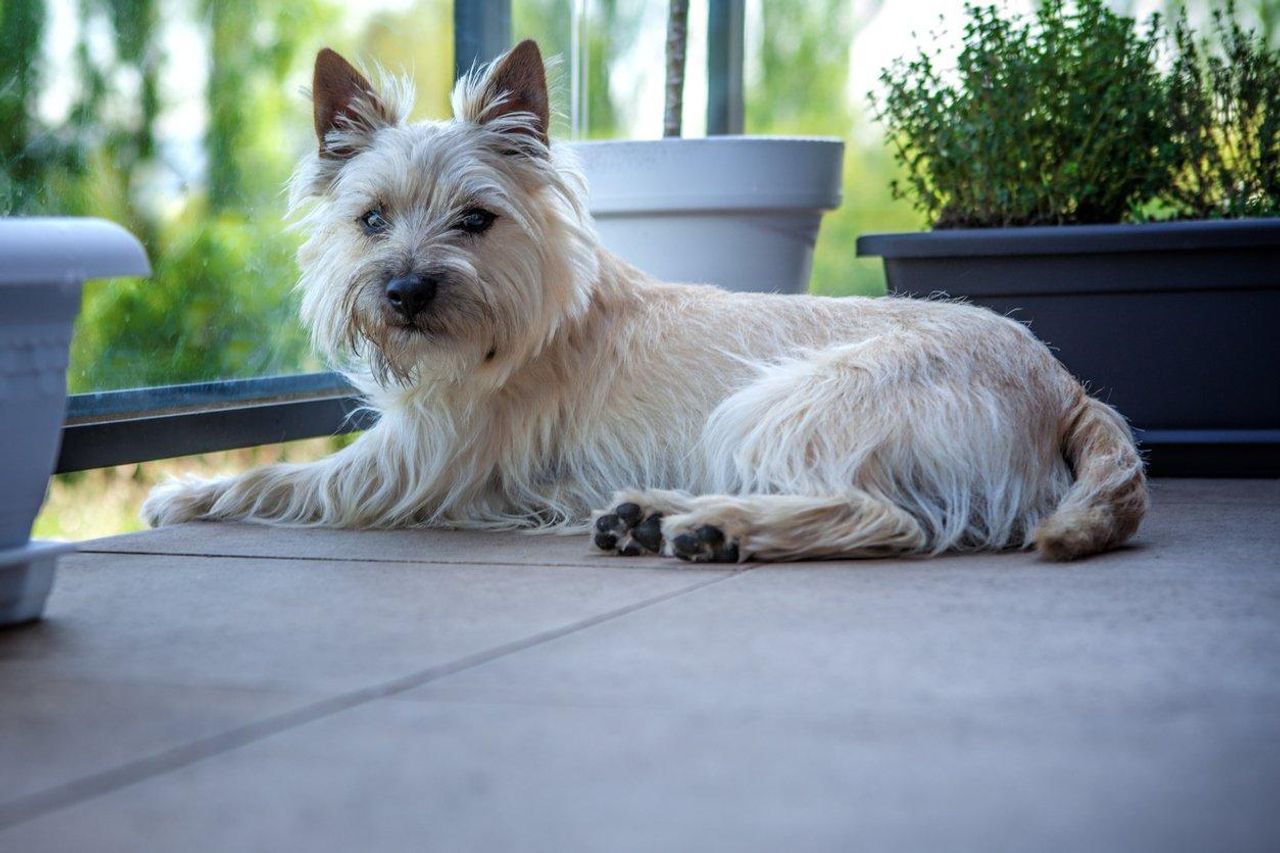
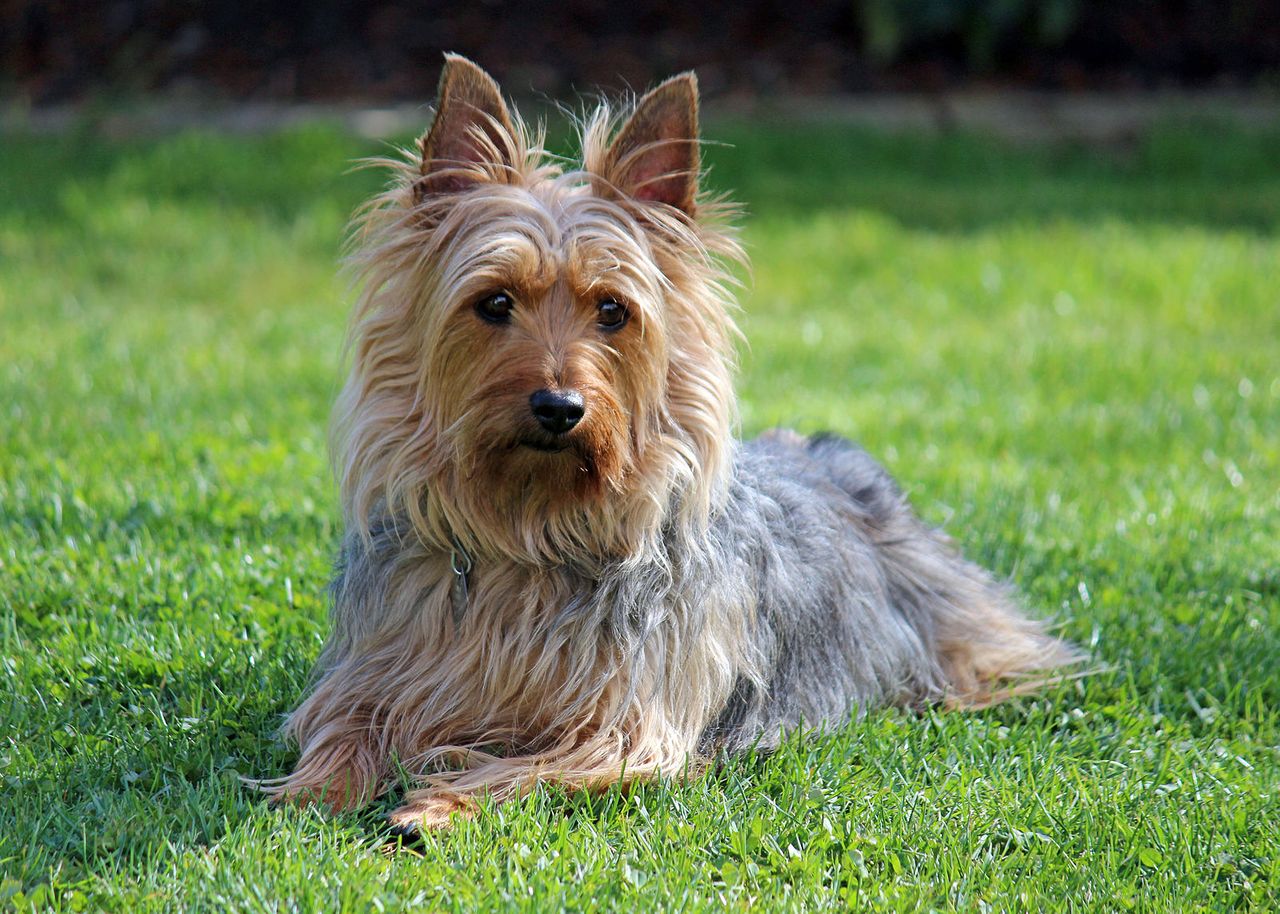
The Dutch Smoushond is a compact and energetic breed, with males weighing between 9-11 kilograms (about 20-24 pounds) and females typically weighing between 8-10 kilograms (about 18-22 pounds). Their height at the withers ranges from 35.5 to 42 centimeters (about 14 to 16.5 inches) for males and 33 to 42 centimeters (about 13 to 16.5 inches) for females. Their coat is distinctive, characterized by its rough and shaggy texture, which serves as a natural waterproof barrier against the elements. The coat's color is a striking and exclusive shade of yellow, which is a defining feature of the breed.
Characteristically, the Dutch Smoushond possesses a broad and short head, with drop ears that are set high on the head, giving them a particularly alert and friendly appearance. This unique head shape, paired with their cheerful and expressive eyes, contributes significantly to their amiable and lively temperament, making them a beloved companion for many.
Temperament and Personality
The Dutch Smoushond is renowned for its amiable, vigilant, affectionate, playful, and lively temperament. They are intelligent dogs that are highly trainable, which makes them a pleasure to work with and live with.
Breeder Purpose and Recognition
The Dutch Smoushond is classified as a Non-Sporting breed, which indicates that its primary function is as a companion animal rather than a working dog. This breed has gained significant recognition on an international level, particularly within the Fédération Cynologique Internationale (FCI), which officially recognized the breed in 1981.
Although the Dutch Smoushond has a historical role as a stable ratter, its role has evolved over time. Today, the breed is cherished for its lively personality and affectionate nature, making it a beloved family companion in many households around the world.
Health Considerations
Potential health concerns for the Dutch Smoushond include allergies, which can manifest as itchy skin or respiratory issues, and hip dysplasia, a condition that can lead to pain and mobility problems in dogs.
Other health conditions that may affect the Dutch Smoushond include patellar luxation, which is the dislocation of the kneecap, and eye issues such as cataracts and glaucoma.
Care and Grooming
Bathing should be done infrequently, as too many baths can strip the coat of its natural oils.
In addition to grooming, the ears of the Dutch Smoushond should be checked and cleaned regularly to prevent infections, which can be a common issue in breeds with drop ears. Dental hygiene is also important, and teeth should be brushed regularly to maintain oral health.
Exercise is a crucial component of the Dutch Smoushond's care. This energetic breed enjoys walks, play sessions, and interactive activities that challenge their intelligence and keep them engaged.
Buying a Dutch Smoushond
Look for breeders who are members of recognized kennel clubs or organizations, such as the Hollandse Smoushond Club, which can provide guidance on finding a responsible breeder.
It is also advisable to meet the puppy's parents to assess their temperament and health, and to inquire about the breeder's health screening practices. A reputable breeder will be transparent about the breed's potential health concerns and will have taken steps to mitigate these risks through selective breeding.
Finally, consider the long-term commitment involved in owning a Dutch Smoushond.
Frequently Asked Questions
What is the lifespan of the Dutch Smoushond?
The average lifespan of the Dutch Smoushond is about 12-15 years. Good nutrition and regular veterinary care support a healthy life.
What is the temperament of the Dutch Smoushond?
The Dutch Smoushond is known for: Friendly, Alert, Affectionate, Playful, Lively, Intelligent. Its energy level is high.
What size and weight is the Dutch Smoushond?
It is a medium-sized dog, typically around Male: 9-11; Female: 8-10 kg as an adult.
Is the Dutch Smoushond easy to care for?
Reliable grooming and shedding ratings are not available. Routine brushing, ear and dental care, and nail trims are still recommended.
Is the Dutch Smoushond good with kids and other pets?
Reliable child- and pet-friendliness ratings are not available. Supervised, gradual introductions are recommended.
How much exercise does the Dutch Smoushond need?
With a high energy level, it needs walks, play or training matched to its stamina.
Dutch Smoushond
Trait Scores
N/A