Origin and Classification
The Dingo, native to Australia, is an ancient and primitive wild canid that has been a subject of taxonomic debate. Its classification as a form of domestic dog, a subspecies of dog, or even a full species in its own right remains uncertain. The dingo is closely related to the New Guinea singing dog, with their lineage splitting early from the lineage that led to today's domestic dogs, and can be traced back through Maritime Southeast Asia to Asia. This unique genetic lineage is thought to have occurred around 10,000 years ago, with the dingo diverging from other canids.
The dingo's name originates from the Dharug language used by the Indigenous Australians of the Sydney area. The first British colonists to arrive in Australia in 1788 noted "dingoes" living with Indigenous Australians, and the name was first recorded in 1789. The dingo's taxonomic classification was established by Friedrich Meyer in 1793, who classified it as Canis dingo, a name that has stood for over two centuries.
Whole genome sequencing indicates that while dogs are a genetically divergent subspecies of the grey wolf, the dog is not a descendant of the extant grey wolf. The dog and the dingo are not considered separate species by all researchers, with those considering the dingo to be a member of C. familiaris referring to them as a "basal breed", alongside the Basenji. This basal breed status highlights the dingo's ancient relationship with domestic dogs, despite its feral nature.
Physical Description
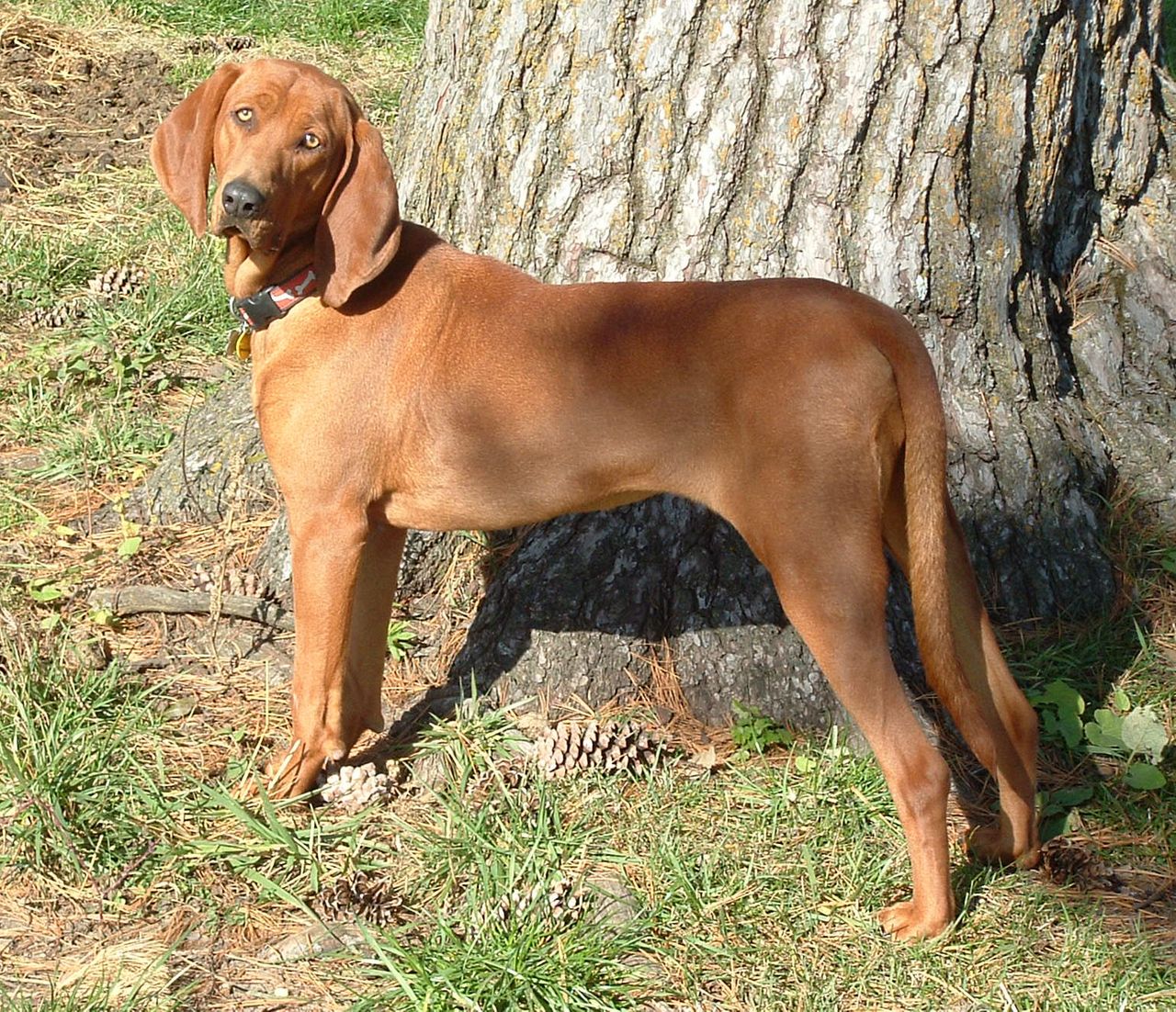
The Dingo is a medium-sized canid with a lean, hardy body adapted for speed, agility, and stamina. The skull is wedge-shaped and appears large in proportion to the body, a trait that contributes to their distinct facial structure.
The average wild dingo male weighs 15.8 kg (35 lb) and the female 14.1 kg (31 lb), compared with the captive male, which weighs 18.9 kg (42 lb), and the female, which weighs 16.2 kg (36 lb). The average wild dingo male length is 125 cm (49 in) and the female 122 cm (48 in), compared with the captive male, which is 136 cm (54 in) and the female, which is 133 cm (52 in). The average wild dingo male stands at the shoulder height of 59 cm (23 in) and the female 58 cm (23 in). These size differences are often attributed to the improved nutrition and veterinary care available in captivity.
Temperament and Behavior
The Dingo is known for its independent, alert, intelligent, and adaptable temperament. Dingoes are typically part of a pack, usually consisting of a mated pair, their offspring from the current year, and sometimes offspring from the previous year.
The dingo's relationship with Indigenous Australians is one of commensalism, where two organisms live in close association but do not depend on each other for survival. They both hunt and sleep together, making the dingo comfortable enough around humans to associate with them but still capable of living independently. This symbiotic relationship has been observed for thousands of years and is a prime example of the dingo's adaptability to human environments.
History and Evolution
The earliest-known dingo remains in Australia date to 3,450 years ago, with evidence suggesting that dingoes were domesticated in Southeast Asia and then introduced to Australia around 5,000 years ago. Dingo morphology has not changed over thousands of years, suggesting no artificial selection has been applied. They have lived, bred, and undergone natural selection in the wild, isolated from other dogs until the arrival of European settlers, resulting in a unique breed that has adapted to a wide range of environments.
The dingo's genome indicates that it was once a domestic dog which commenced a process of feralisation since its arrival 8,300 years ago. The new environment led to changes in genomic regions that regulate metabolism, neurodevelopment, and reproduction.
A 2016 genetic study shows that the lineage of dingoes in the northwestern part of the Australian continent split from the lineage of the New Guinea singing dog and southeastern dingo 8,300 years ago. There are three sub-populations which exist in Northeast (Tropical), Southeast (Alpine), and West/Central Australia (Desert). These distinct sub-populations reflect the diverse environments that dingoes have adapted to over thousands of years.
Health Considerations
Specific health concerns can include hip dysplasia, which can lead to difficulty in movement and pain, and elbow dysplasia, which can also cause mobility issues. These conditions are more common in captive dingoes, possibly due to a lack of genetic diversity and the increased size and weight associated with better nutrition and veterinary care.
Other health issues may include demodectic mange, a skin disease caused by mites, and gastric dilatation-volvulus, a life-threatening condition that affects the digestive system.
Living with a Dingo
Living with a Dingo requires understanding of their independent and alert nature. They are intelligent and trainable, but their wild heritage means they may not be as friendly or adaptable as some other breeds. Dingoes are comfortable around humans but should be supervised when interacting with children or other animals, as they may exhibit prey drive or territorial behavior.
Training a dingo requires patience and consistency. They respond well to positive reinforcement but can be challenging due to their strong-willed nature.
Buying a Dingo
- Reputable breeder with health clearances for both parents
- Health check for the puppy
- Proper socialization and temperament assessment
- Support from the breeder for ongoing care and training
Costs can vary, but be prepared for the initial purchase price, which can range from $1,000 to $2,000, as well as ongoing expenses such as food, veterinary care, and grooming. The average annual cost of owning a dingo can range from $1,200 to $1,800, depending on the individual's lifestyle and the level of care provided.
Frequently Asked Questions
What is the lifespan of the Dingo?
The average lifespan of the Dingo is about 10-15 years. Good nutrition and regular veterinary care support a healthy life.
What is the temperament of the Dingo?
The Dingo is known for: Independent, Alert, Intelligent, Adaptable. Its energy level is moderate.
What size and weight is the Dingo?
It is a large dog, typically around Male: 13-20; Female: 11-18 kg as an adult.
Is the Dingo easy to care for?
Reliable grooming and shedding ratings are not available. Routine brushing, ear and dental care, and nail trims are still recommended.
Is the Dingo good with kids and other pets?
Reliable child- and pet-friendliness ratings are not available. Supervised, gradual introductions are recommended.
How much exercise does the Dingo need?
With a moderate energy level, it needs walks, play or training matched to its stamina.
Dingo
Trait Scores
N/A