Origin and History
The Dikkulak, a rare Turkish landrace dog, originates from the Agri, Ardahan, Erzurum, Igdir, and Kars provinces in Turkey. This breed has a rich history, having been used as a small guard dog in these regions. Its origin is closely tied to the Kangal, another breed native to the same areas, with both breeds evolving in the harsh climate of the Anatolian Plateau.
Historically, the Dikkulak served as a watch dog, either tethered or allowed to roam within an enclosed area. Their role was to protect livestock and property, often working alongside the Kangal, which was larger and more powerful. Despite its declining numbers, breeders continue to preserve this traditional breed, ensuring that the Dikkulak's unique characteristics are maintained.
These dogs have been an integral part of rural Anatolia, where they were bred for their guarding abilities and hunting skills. Their distinctive erect ears, which give them their name ('prick ear'), are a hallmark of the breed, reflecting their alert nature. The Dikkulak's heritage is deeply rooted in the cultural and historical landscape of Turkey, with its roots traced back to the early 20th century.
Physical Characteristics
The Dikkulak is a small to medium-sized dog, with males weighing between 9-14 kg and females between 8-13 kg. Males stand at a height of 33-41 cm, while females are slightly shorter at 30-38 cm. Their compact and robust body structure is designed for agility and endurance, essential traits for a working dog in the rugged terrain of Anatolia.
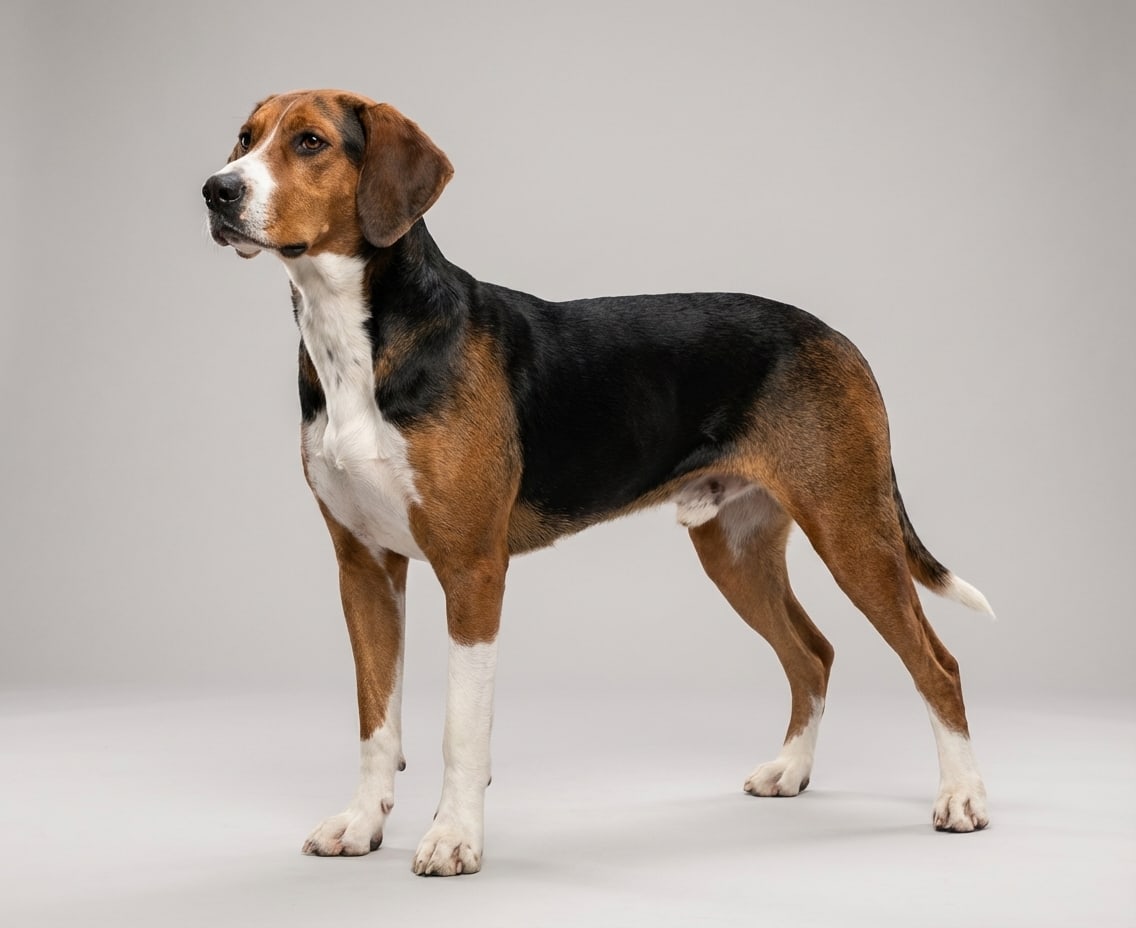
Characterized by its spitz-type features, the Dikkulak has a short, dense coat that can come in colors like white, black, brown, tan, or piebald. The coat's texture is smooth and lies close to the body, providing insulation against the cold Anatolian winters. Their distinctive prick ears and fox-like expression are further testament to their alert and vigilant nature.
Temperament and Behavior
The Dikkulak is an alert and energetic breed, known for its loyalty and intelligence. They are quick to respond to new stimuli and will alert their family to strangers with a loud bark, which is a clear indicator of their guarding instincts. This breed is not for the faint-hearted, as their protective nature can be quite intense.
Despite their guarding instincts, the Dikkulak is not typically aggressive. They do not usually attack, but they are not friendly towards strangers and will remain aloof. This behavior is a result of their selective breeding for protective roles, which has maintained their wariness towards unfamiliar individuals.
Given their high energy levels, the Dikkulak requires a lot of exercise and space to run. They are not considered suitable pet dogs for those looking for a laid-back companion.
Lifestyle and Care
Due to their high energy levels, the Dikkulak may not be the best choice for apartment living. They need a home with a yard or access to open spaces where they can roam and exercise. A securely fenced yard is also important to prevent them from running off after wildlife or following other dogs.
As for grooming, the Dikkulak has a short coat that requires minimal maintenance. Regular brushing helps to remove loose fur and keep the coat healthy.
Health and Genetic Considerations
Given their sighthound heritage, the Dikkulak may be susceptible to conditions such as hip dysplasia and von Willebrand's disease, a blood disorder. Owners should be vigilant for signs of these conditions, which include limping, difficulty with blood clotting, or excessive bleeding. Early detection and treatment of any health issues can significantly improve the quality of life for these dogs.
Responsible breeders will provide health clearances for both parents and may also conduct tests for other potential genetic issues, such as eye disorders or heart conditions.
Breeding Standards and Registry History
The Dikkulak has specific breeding standards that focus on maintaining their natural guarding instincts and physical characteristics. The coat, color, and size are all important factors in the breed standard, with a preference for a short, dense coat and a range of colors like white, black, brown, tan, or piebald.
The registry history of the Dikkulak is relatively short, as the breed has only recently gained recognition outside of Turkey. However, organizations such as the United Kennel Club (UKC) and the American Rare Breed Association (ARBA) have begun to recognize the Dikkulak, allowing for a more formalized breeding and registration process.
Buying a Dikkulak
This breed requires a significant investment of time, energy, and resources, and a good breeder will be transparent about the breed's needs and characteristics.
Here is a checklist to consider when buying a Dikkulak:
- Reputable breeder with a focus on health and temperament
- Health clearances for both parents, including hip and elbow dysplasia, and von Willebrand's disease testing
- Understanding of the breed's exercise and space requirements
- Accommodation for a dog with a strong guarding instinct and high energy levels
Cost and Household Matching
Given their history as a working dog, the Dikkulak may not be the ideal choice for those looking for a low-maintenance pet. However, for the right owner, the Dikkulak can be a loyal and rewarding companion. The initial cost of purchasing a Dikkulak may be higher due to their rarity and the dedication required in breeding and maintaining them.
Long-term costs include regular veterinary care, quality food, and appropriate training. A home that can accommodate their high energy levels and provide ample exercise is essential. For those willing to invest the time and resources, the Dikkulak can offer a strong bond and a sense of purpose, reflecting the breed's historical role as a guardian and protector.
Frequently Asked Questions
What is the lifespan of the Dikkulak?
The average lifespan of the Dikkulak is about 12-16 years. Good nutrition and regular veterinary care support a healthy life.
What is the temperament of the Dikkulak?
The Dikkulak is known for: Alert, Energetic, Loyal, Intelligent. Its energy level is high.
What size and weight is the Dikkulak?
It is a medium-sized dog, typically around Male: 9-14; Female: 8-13 kg as an adult.
Is the Dikkulak easy to care for?
Reliable grooming and shedding ratings are not available. Routine brushing, ear and dental care, and nail trims are still recommended.
Is the Dikkulak good with kids and other pets?
Reliable child- and pet-friendliness ratings are not available. Supervised, gradual introductions are recommended.
How much exercise does the Dikkulak need?
With a high energy level, it needs walks, play or training matched to its stamina.
Dikkulak
Trait Scores
N/A