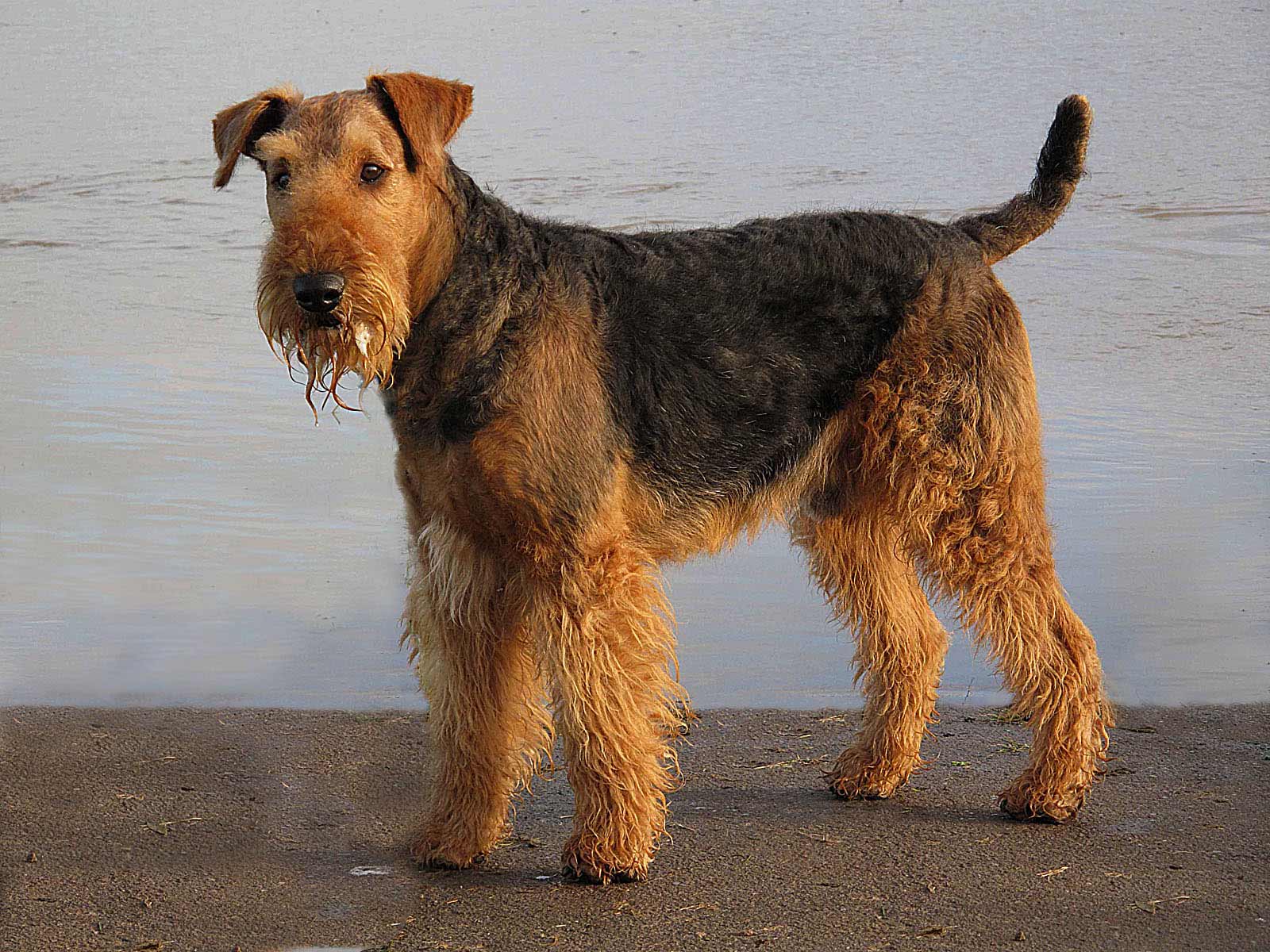
Origin and History
The Dandie Dinmont Terrier originated in the Scottish Borders, a region known for its challenging terrain and a history of terrier breeding. This breed's roots can be traced back to the 1600s when they were used for hunting badgers and otters. The dogs owned by the Allans of Holystone, Northumberland, in the early 1700s are believed to have played a significant role in the breed's early development. The breed's name is derived from the fictional character Dandie Dinmont in Sir Walter Scott's novel "Guy Mannering," which was published in 1815 and brought the breed to wider attention. James Davidson, a real-life farmer and terrier owner, is credited as the originator of the modern breed.
Interbreeding with other breeds, including the Dachshund, occurred in the mid-1800s, although some breeders maintained pure-bred lines. The Dandie Dinmont Terrier Club (DDTC) was formed in 1875, making it the third oldest breed club for dogs in the world. The breed was first registered with the American Kennel Club (AKC) in 1888 and recognized by the United Kennel Club (UKC) in 1918. During the Second World War, many kennels were dispersed, and the breed faced a significant decline in numbers. However, efforts post-war led to the re-establishment of the breed.
In 2006, the Kennel Club recognized the Dandie Dinmont Terrier as one of the rarest dog breeds native to the British Isles, due to its low number of puppy registrations per year. This vulnerability highlights the ongoing efforts to preserve the breed and ensure its future. The breed's registry history is marked by its inclusion in the AKC's Miscellaneous Class in 1888 and its subsequent move to the Terrier Group in 1890, reflecting its terrier heritage and characteristics.
Breed Characteristics
The Dandie Dinmont Terrier is a small, long, low-bodied terrier with a distinctive topknot of silky hair. This breed stands between 20-28 cm tall at the withers and weighs between 8-11 kg. Their body is elongated, with short legs and a muscular neck, a trait developed from their use against larger game. The breed's coat is a crisp double coat, coming in pepper or mustard colors, with the legs and feet typically darker. The coat can reach up to 2 inches in depth and is usually set by the time the dog is eight months old.
Despite their tenacious nature, Dandie Dinmont Terriers are known for their gentle expression and friendly disposition. They are independent, intelligent, loyal, affectionate, confident, and gentle, making them suitable companions and guard dogs. However, they are among the most docile of the terrier breeds and can be trained to be good with cats, though they should not be trusted around smaller animals.
The breed is known for its ability to dig large holes in a short space of time, which can be a challenge for owners. They are also "very game," prone to challenging other animals, including foxes, and in some cases, other dogs. This behavior is a result of their terrier instincts and requires careful management and training to prevent potential problems.
Temperament and Behavior
With a temperament that is tough yet friendly, the Dandie Dinmont Terrier is suitable for interaction with older children. They are known for their loyalty and affectionate nature, making them great companions. However, their high energy level and tendency to dig require consistent training and exercise to manage. Despite their hunting background, they are generally undemanding of their owners and can be trained to be good with cats. The breed's behavior is influenced by their history as working dogs, which has shaped their independent and alert nature.
While they can be trained to be around smaller pets, they may not be the best choice for households with very young children or small animals. Their protective instincts can sometimes lead to aggression, especially if they feel their territory or family is threatened. Their intelligence and loyalty make them highly trainable, and they can excel in various dog sports and activities, such as agility and obedience.
Health Considerations
Back problems, specifically with intervertebral discs in the dog's back, can occur, leading to spinal disc herniation. Symptoms may include weakness, paralysis, and loss of bladder control. This condition is particularly common in breeds with long backs, like the Dandie Dinmont Terrier, and requires prompt veterinary attention to manage pain and prevent further injury.
Additionally, the breed has a higher risk of extra-hepatic congenital portosystemic shunts, a condition affecting the blood flow from the liver to the heart. This condition can be detected through genetic testing and may require surgical intervention.
Living with a Dandie Dinmont Terrier
Living with a Dandie Dinmont Terrier requires a commitment to their care and well-being. Their gentle nature and loyalty make them a wonderful addition to a family that is committed to their care and understands their unique needs.
As with any dog, providing a safe and loving environment, along with consistent training and socialization, is key to a harmonious relationship with a Dandie Dinmont Terrier.
Buying a Dandie Dinmont Terrier
Additionally, factor in the ongoing costs of food, grooming, veterinary care, and training when considering adding a Dandie Dinmont Terrier to your home.
Consider whether your lifestyle aligns with the needs of a Dandie Dinmont Terrier. If you are an active individual or family who can provide the necessary attention and care, a Dandie Dinmont Terrier could be a wonderful addition to your home. Their energetic nature requires a home with access to a secure yard and opportunities for daily exercise, such as walks and playtime.
Frequently Asked Questions
What is the lifespan of the Dandie Dinmont Terrier?
The average lifespan of the Dandie Dinmont Terrier is about 12-15 years. Good nutrition and regular veterinary care support a healthy life.
What is the temperament of the Dandie Dinmont Terrier?
The Dandie Dinmont Terrier is known for: Independent, Intelligent, Loyal, Affectionate, Confident, Gentle. Its energy level is moderate.
What size and weight is the Dandie Dinmont Terrier?
It is a medium-sized dog, typically around 8-11 kg as an adult.
Is the Dandie Dinmont Terrier easy to care for?
Reliable grooming and shedding ratings are not available. Routine brushing, ear and dental care, and nail trims are still recommended.
Is the Dandie Dinmont Terrier good with kids and other pets?
Reliable child- and pet-friendliness ratings are not available. Supervised, gradual introductions are recommended.
How much exercise does the Dandie Dinmont Terrier need?
With a moderate energy level, it needs walks, play or training matched to its stamina.
Dandie Dinmont Terrier
Trait Scores
N/A