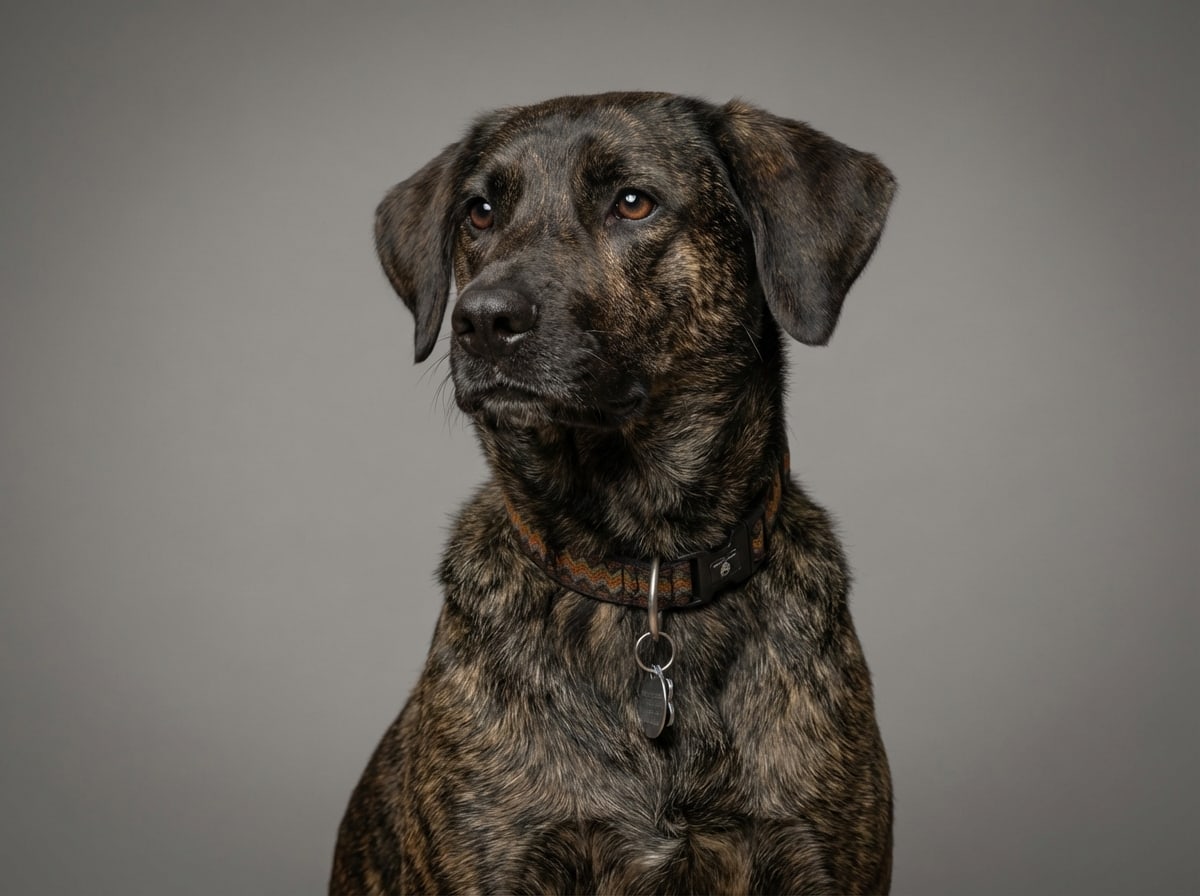
Origin and Historical Role
The Dalmatian hails from the historical region of Dalmatia in Croatia, where it was originally bred as a hunting dog, particularly for hunting otters. This breed also served as a carriage dog for firefighters during the era of horse-drawn firehouse carriages, a role that has since been replaced by modern firefighting equipment. The Dalmatian was known for its loyalty and agility, traits that made it valuable in both roles.
Thought to have ancestors among breeds such as pointers and a spotted Great Dane, the Dalmatian has evolved into a popular companion dog, often entered in kennel club competitions. The breed's distinctive appearance and friendly nature have contributed to its widespread popularity.
The first known written reference to the Dalmatian dates back to 1375, with early illustrations found in Croatia, suggesting a long-standing presence in the region. Over time, the Dalmatian has been associated with various figures, including the fictional character Pongo from the film "101 Dalmatians," which has further popularized the breed.
Physical Characteristics
Medium-sized and athletic, the Dalmatian has a distinctive coat of white with dark-coloured spots, commonly black or liver. Spots develop over time, with most appearing within 10 days of birth and continuing until the dog is about 18 months old. This spotting pattern is unique to the breed and is a result of a genetic mutation that affects pigmentation.
According to the American Kennel Club (AKC), an adult Dalmatian stands between 19 to 23 inches tall at the shoulder, showcasing its muscular build and excellent endurance. This size and strength make them suitable for both active roles and as family pets.
The coat is usually short, fine, and dense, though smooth-coated Dalmatians occasionally produce long-coated offspring. These long-coated individuals, however, are not accepted by the breed standard, as the standard calls for a short, smooth coat. The breed standard also dictates that spots should be evenly distributed and of a specific size and shape.
Temperament and Personality
Characterized as energetic, outgoing, intelligent, and alert, the Dalmatian is a lively and sociable breed. Despite their high energy levels, they exhibit a medium degree of friendliness and adaptability, making them suitable for a variety of living situations. They are known for their loyalty and protective nature, which is why they have been used as therapy dogs and service animals.
With a strong hunting instinct, Dalmatians can be excellent exterminators of rats and vermin, making them useful in various roles from sporting activities to firehouse mascots. Their keen sense of smell and alertness make them valuable in these roles.
The breed's strong guarding instinct means they can be aloof with strangers and unknown dogs, but are fiercely loyal to those they know and trust. This protective nature is part of the reason they are sometimes used as guard dogs, although their high energy levels may not always be conducive to this role.
Health Considerations
Dalmatians have a life expectancy of around 13.2 years, which is higher than the average for purebred dogs. However, they are prone to several health issues. Common health issues include bone spurs and arthritic conditions in their late teens, which can be a result of their large, muscular build.
Autoimmune thyroiditis affects 11.6% of Dalmatians, leading to symptoms such as lethargy, weight gain, and skin problems. Dermatological conditions like atopic dermatitis and solar dermatosis are also common, particularly in dogs with light-colored skin.
Deafness is a significant concern, with studies finding that up to 25.7% of Dalmatians may be deaf in one or both ears. This deafness is not associated with coat colour and is attributed to genetic factors beyond those responsible for colouring.
Hyperuricemia, a condition where the liver struggles to break down uric acid, can lead to gout and kidney or bladder stones, particularly in middle-aged males.
Genetic and Breeding Considerations
The Dalmatian's coat is a result of a recessive liver gene, requiring both parents to carry the gene to produce liver-spotted pups. This genetic makeup can lead to health issues, as the gene is also associated with deafness and hyperuricemia.
The inheritance of the extreme piebald gene causes blue eyes, which is considered a breed standard fault and frowned upon in breeding. However, this does not necessarily affect the dog's overall health or temperament.
Hyperuricemia is inherited but cannot be eliminated from the breed's gene pool, leading to initiatives like the Dalmatian-Pointer Backcross Project to reintroduce a normal uric acid transporter gene. This project aims to reduce the incidence of hyperuricemia in the breed.
The Dalmatian Heritage Project aims to preserve the breed by breeding dogs with normal urinary metabolism and bilateral hearing. This project is a collaborative effort involving breeders, veterinarians, and geneticists to ensure the long-term health and well-being of the Dalmatian population.
Care and Grooming
Weekly grooming with a hound mitt or currycomb can help reduce shedding in Dalmatians, although they do not shed year-round as some breeds do.
Because of their minimal oil in the coat, Dalmatians do not have a dog odour and are relatively easy to keep clean compared to many other breeds.
Buying a Dalmatian
When considering buying a Dalmatian, ensure your home and lifestyle can accommodate the high energy and social needs of this breed. Dalmatians require ample exercise, mental stimulation, and companionship to be happy and healthy.
Potential owners should be aware of the breed's specific needs and be committed to providing them with a loving and supportive home.
Frequently Asked Questions
What is the lifespan of the Dalmatian?
The average lifespan of the Dalmatian is about 11-13 years. Good nutrition and regular veterinary care support a healthy life.
What is the temperament of the Dalmatian?
The Dalmatian is known for: Energetic, Outgoing, Intelligent, Alert, Athletic. Its energy level is high.
What size and weight is the Dalmatian?
It is a large dog, typically around Male: 25-32; Female: 20-27 kg as an adult.
Is the Dalmatian easy to care for?
Reliable grooming and shedding ratings are not available. Routine brushing, ear and dental care, and nail trims are still recommended.
Is the Dalmatian good with kids and other pets?
Reliable child- and pet-friendliness ratings are not available. Supervised, gradual introductions are recommended.
How much exercise does the Dalmatian need?
With a high energy level, it needs walks, play or training matched to its stamina.
Dalmatian
Trait Scores
N/A



