Origin and Development
The Czechoslovakian Wolfdog, known as Ceskoslovenský Vlciak in Czech and Slovak, originated from an experiment conducted in Czechoslovakia in 1955. This experiment was initiated by colonel Karel Hartl and cynologist Heiri Machat, aiming to cross a Carpathian grey wolf with a German Shepherd. The first hybrid offspring were born on May 26, 1958, in Libějovice, Czechoslovakia. The breed was officially recognized as a national breed in Czechoslovakia in 1982 and was definitively accepted by the Fédération Cynologique Internationale in 1999. The development involved back-crossing with German Shepherds, resulting in limited introgression of lupine alleles within a higher proportion of the canine genome, which contributes to the distinctive characteristics of the breed.
In 2012, there were 168 bitches and 170 dogs officially registered in the Czech Republic, reflecting the breed's growing popularity. The breed's registry has since expanded, with a significant increase in registrations over the years, indicating a steady interest in the breed.
The breed's development also involved the establishment of breed clubs and the creation of a standardized breed description, which has helped to maintain genetic diversity and ensure the breed's continued development and recognition.
Physical Characteristics
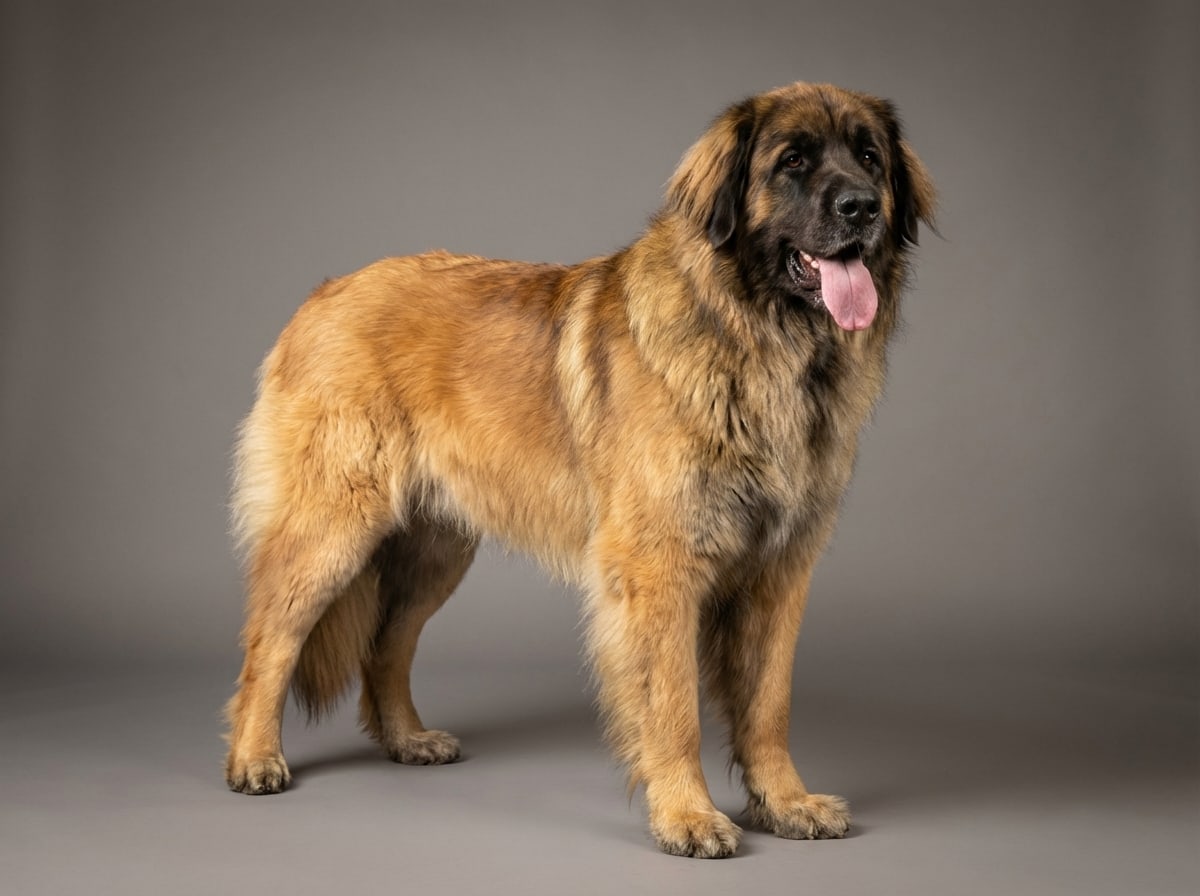
The Czechoslovakian Wolfdog has a powerful build and a primitive appearance, resembling a wolf. Males typically weigh between 25-34 kg and stand at 61-71 cm at the withers, while females weigh 20-27 kg and are 60-66 cm tall. The breed has a medium-length coat that is straight, close-fitting, and very thick during winter, becoming thinner in summer. The coat color varies from silver-grey to yellow-grey, often with a light mask and light hair on the chest and under the neck.
Additionally, the breed's wolf-like appearance and behavior can be a challenge for those unfamiliar with the breed, as it may lead to misinterpretation of the dog's intentions or behavior.
Temperament and Personality
The Czechoslovakian Wolfdog is known for its high energy, endurance, and independent nature. They are loyal, intelligent, and courageous, making them suitable for working roles. However, their alert and independent nature means they may not be the best choice for those seeking a more affectionate or child-friendly dog. The breed is highly trainable, which can be an advantage for working purposes and personal management. Their strong prey drive and tendency to roam can be problematic in urban environments, requiring careful supervision and training.
Due to their wolf-like heritage, they may exhibit some primitive behaviors, such as a strong prey drive or a tendency to roam. This can be particularly challenging for owners living in areas with wildlife or livestock, as the dog may exhibit a strong urge to chase or hunt.
Health and Genetics
A 2015 DNA study revealed that the breed has only two maternal mitochondrial DNA haplotypes and two paternal Y DNA haplotypes. Both mDNA haplotypes and one yDNA haplotype originated with German Shepherd Dogs, reflecting the back-crossing process. The other yDNA haplotype is unique to the breed, indicating a distinct genetic heritage. This study also found limited introgression of lupine alleles within the canine genome, which contributes to the breed's unique characteristics.
Responsible breeders conduct health screenings to minimize the risk of hereditary conditions such as hip dysplasia, epilepsy, and other breed-specific health issues. These screenings can include X-rays for hip dysplasia, genetic testing for certain inherited diseases, and evaluations of the dog's overall health and conformation.
Use and Working Abilities
The Czechoslovakian Wolfdog was originally bred for working purposes, and they excel in roles such as search-and-rescue work. Their high energy, intelligence, and strong work ethic make them suitable for various canine sports and activities. Some of these dogs have been used in search-and-rescue work in the United Kingdom, showcasing their versatility and dedication. The breed's strong sense of smell and alertness also make them valuable in roles such as detecting drugs or explosives.
In addition to search-and-rescue, the breed has been used in police work, military roles, and as service dogs for individuals with disabilities. Their versatility and willingness to learn have contributed to their success in various working roles.
Life Span and Care
The average life span of the Czechoslovakian Wolfdog is between 12-16 years, which is relatively short compared to some other breeds. Their high energy levels and strong prey drive require an active lifestyle and consistent training to ensure they remain well-behaved and healthy. Their independent nature may also require a confident and experienced handler to ensure they receive the appropriate level of care and attention.
Additionally, their high exercise needs and strong prey drive necessitate a secure environment to prevent them from running off or engaging in dangerous behaviors.
Notability and Popularity
In 2026, a Czechoslovakian Wolfdog named Nazgul gained international attention when he escaped from his kennel and ran onto the 2026 Winter Olympics cross-country course during the women's cross-country skiing team sprint qualification. This incident highlighted the breed's natural curiosity and energetic nature, showcasing the Wolfdog's unique characteristics to a global audience. The incident also brought attention to the breed's potential for unexpected behavior, emphasizing the importance of proper training and socialization.
The breed's growing popularity and recognition by the Fédération Cynologique Internationale in 1999 have contributed to its notability as a distinct and remarkable canine breed. The breed's unique heritage and working abilities have made it a sought-after companion for those interested in a high-energy, intelligent, and unique dog.
Buying a Czechoslovakian Wolfdog
- Reputable breeder with health screenings and socialization programs
- Proper puppy care and training resources
- Understanding of the breed's energy levels and exercise needs
- Access to the breed's health records and genetic testing results
- Support and resources for ongoing training and behavior modification
Keep in mind that the cost of owning a Czechoslovakian Wolfdog may be higher due to the breed's unique characteristics and health considerations. The initial cost of purchasing a puppy, as well as ongoing expenses for grooming, training, and healthcare, should be factored into the decision to adopt this breed.
Frequently Asked Questions
What is the lifespan of the Czechoslovakian Wolfdog?
The average lifespan of the Czechoslovakian Wolfdog is about 12-16 years. Good nutrition and regular veterinary care support a healthy life.
What is the temperament of the Czechoslovakian Wolfdog?
The Czechoslovakian Wolfdog is known for: Loyal, Intelligent, Energetic, Courageous, Alert, Independent. Its energy level is high.
What size and weight is the Czechoslovakian Wolfdog?
It is a large dog, typically around Male: 25-34; Female: 20-27 kg as an adult.
Is the Czechoslovakian Wolfdog easy to care for?
Reliable grooming and shedding ratings are not available. Routine brushing, ear and dental care, and nail trims are still recommended.
Is the Czechoslovakian Wolfdog good with kids and other pets?
Reliable child- and pet-friendliness ratings are not available. Supervised, gradual introductions are recommended.
How much exercise does the Czechoslovakian Wolfdog need?
With a high energy level, it needs walks, play or training matched to its stamina.
Czechoslovakian Wolfdog
Trait Scores
N/A