Origin and Historical Significance
The Curly-Coated Retriever hails from England and is one of the oldest retriever breeds. It was initially bred for upland bird and waterfowl hunting, and it is recognized as the tallest of the retriever breeds. The Curly Coated and Wavy Coated Retrievers, now known as the Flat-Coated Retriever, were the first two retriever breeds to be established, dating back to as early as 1860. The breed was developed by gamekeepers who sought a dog that could handle both the rigors of upland hunting and the demands of retrieving game from water.
Historical records show that the Curly-Coated Retriever was first exhibited at dog shows in the late 1800s. The breed's popularity grew in the early 20th century, particularly in the United States, where it was used in both hunting and as a family pet. The Curly-Coated Retriever was also a favorite of Queen Victoria, who owned several of the breed.
The breed's structure is unique among retrievers, with a slightly leggy appearance but actually being slightly longer than tall. This active and well-muscled dog possesses a significant air of endurance, strength, and grace, making it a formidable hunting companion. The Curly-Coated Retriever's webbed feet and strong, sturdy body were perfectly suited for swimming and retrieving game from water.
According to a 2024 UK study, the Curly-Coated Retriever has a life expectancy of 12.2 years, which is slightly lower than the average of 12.7 years for purebreeds. This study also highlighted that the breed is prone to certain health issues, which can affect their longevity.
Physical Description
The Curly-Coated Retriever stands between 64 and 69 cm (25 to 27 inches) at the withers for males and between 58 and 64 cm (23 to 25 inches) for females. The weight of an adult Curly-Coated Retriever typically ranges from 27 to 43 kg (60 to 95 pounds), with males generally being heavier than females.
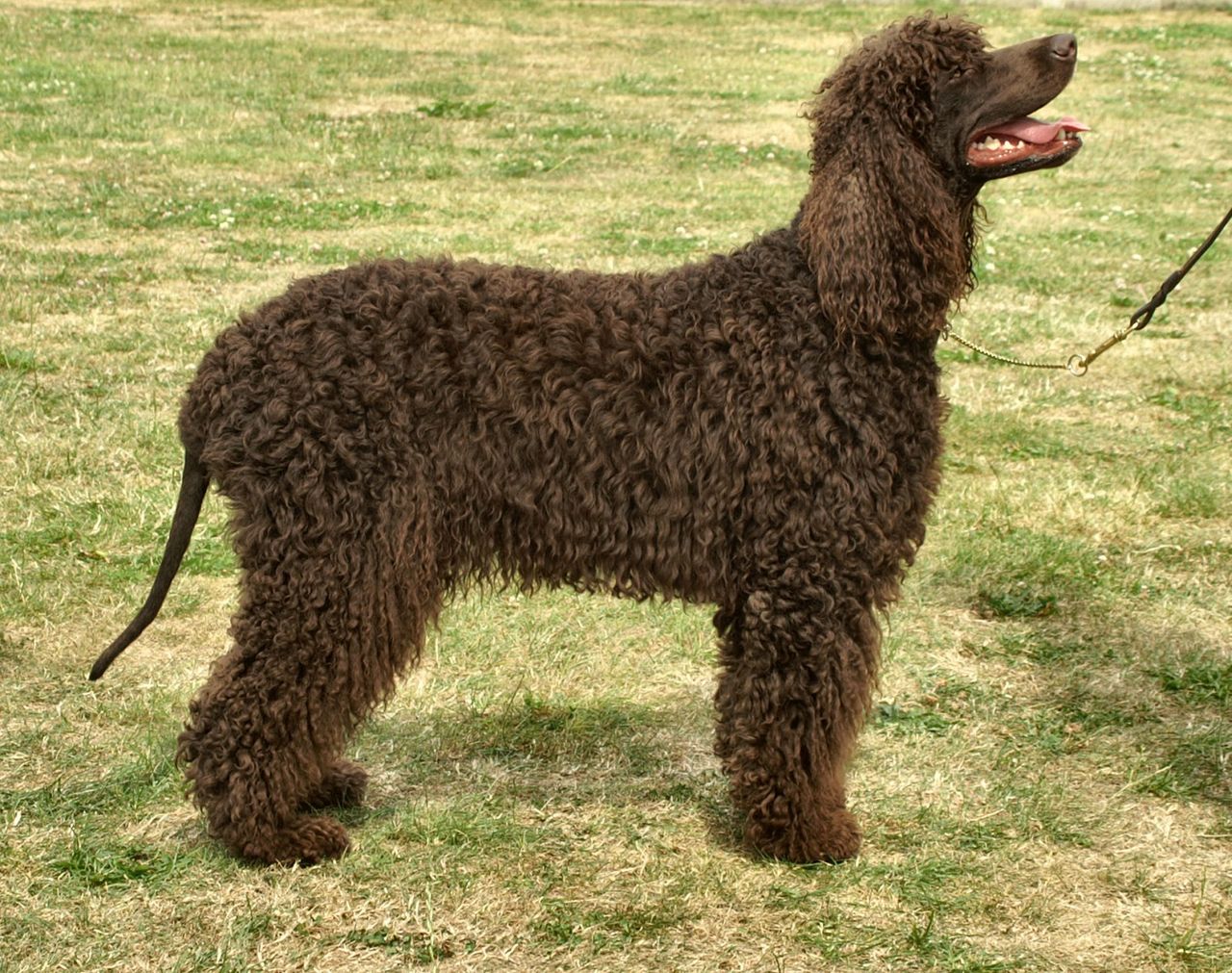
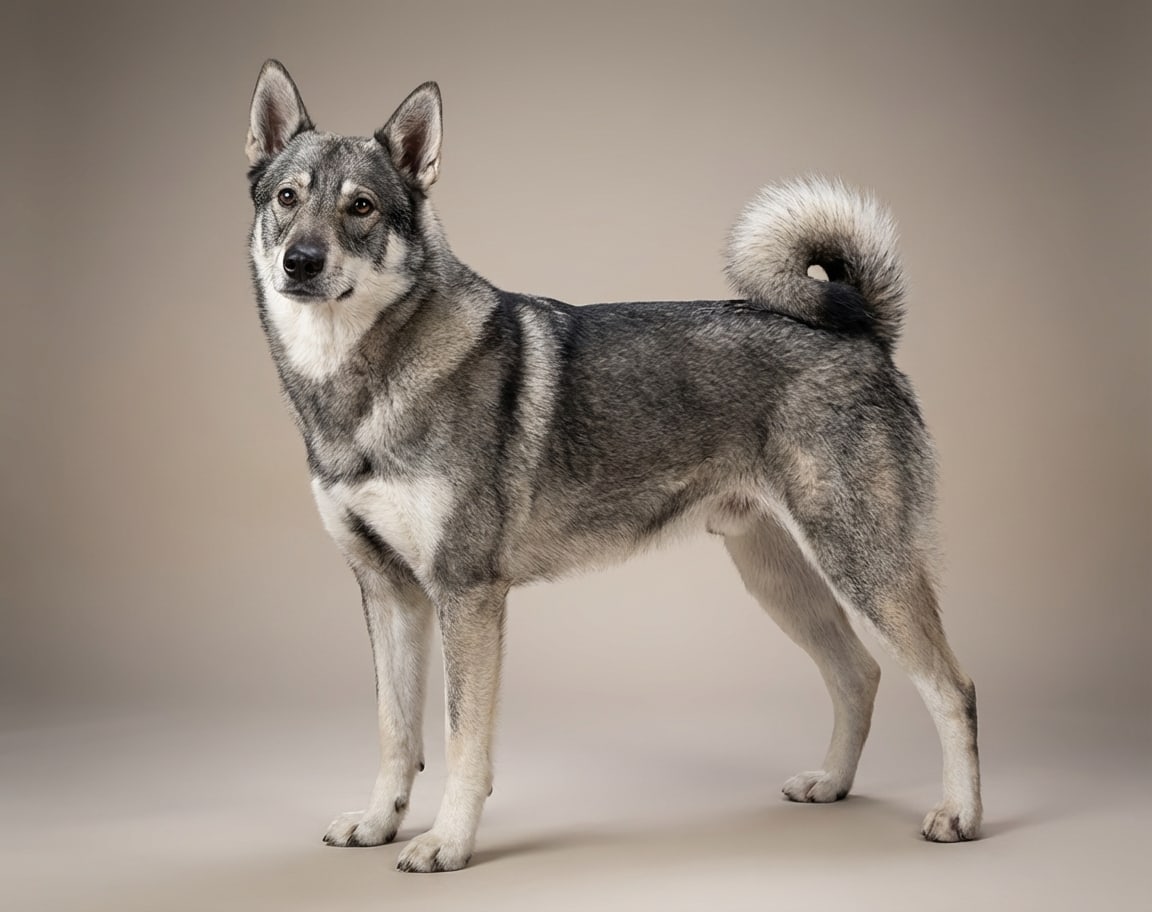
Distinctive to this breed is its tight, crisp curls, which provide water resistance and protect against burrs and damage that other retriever breeds may not be able to avoid. The only acceptable colors for the Curly-Coated Retriever are solid black and solid liver, with occasional white hairs permitted but large white patches considered a serious fault.
The breed's coat also features fully pigmented eyes, which are black or brown in black dogs and brown or amber in liver dogs. Yellow eyes are unusual and not preferred in the breed standard. The breed's ears are pendant and hang close to the head, adding to its unique appearance.
Temperament and Behavior
Curly-Coated Retrievers are known for their confident, athletic temperament. They are intelligent and independent, making them excellent companions for those who enjoy active lifestyles. Loyal and energetic, these dogs are also friendly but may not be as affectionate as some other breeds. Their independent nature requires a confident handler who can provide firm, consistent leadership.
They were originally developed as gamekeepers' gun dogs and have retained these qualities in their temperament and conformation. Curly-Coated Retrievers are known for their strong retrieving instincts and their ability to work independently in the field.
Curly-Coated Retrievers are adaptable to various environments and activities, though they may require more training and socialization than breeds with higher adaptability ratings. They are often used in both upland and waterfowl hunting, showcasing their versatility in the field. Their strong hunting drive makes them excellent at retrieving game and performing tasks in the field.
Health Considerations
While the Curly-Coated Retriever has a generally healthy life expectancy, there are certain health issues that owners should be aware of. A 2024 UK study highlights that this breed has a life expectancy of 12.2 years, which is slightly lower than the average for purebreeds. Common health concerns include hip and elbow dysplasia, which can lead to mobility issues; skin allergies, which can cause discomfort and skin irritation; and von Willebrand's disease, a bleeding disorder that requires regular monitoring.
Other potential health issues include degenerative myelopathy, a progressive disease of the spinal cord; and epilepsy, which can cause seizures.
Training and Exercise Needs
Curly-Coated Retrievers are highly trainable due to their intelligence and loyalty. Consistency and patience are key to successfully training a Curly-Coated Retriever. They respond well to positive reinforcement training methods, and their strong work ethic makes them eager to please.
Given their strong hunting instincts, Curly-Coated Retrievers also enjoy activities that challenge their mind, such as obedience training, agility, and retrieving games. These activities not only provide mental stimulation but also help to burn off excess energy and maintain their physical health.
Living with a Curly-Coated Retriever
Curly-Coated Retrievers are best suited for active families or individuals who can provide them with the necessary exercise and mental stimulation. Their energetic nature requires a home with a secure yard or access to open spaces for daily activities, such as long walks, runs, and playtime.
They are moderate shedders, so weekly brushing can help control the amount of fur in the home. Curly-Coated Retrievers are known for their loyalty and protective nature, making them excellent family pets when raised with care and proper training.
These dogs are generally good with children and other pets if they are socialized from a young age.
Buying a Curly-Coated Retriever
Look for breeders who have a history of producing healthy, temperamentally sound dogs and can provide documentation of health clearances. This breed may require more investment in training and socialization, so be prepared for the time and effort required to raise a well-rounded Curly-Coated Retriever.
When selecting a Curly-Coated Retriever, consider the following:
- Ensure the breeder has a good reputation and can provide health clearances for hip and elbow dysplasia, skin allergies, and other potential health issues.
- Visit the breeder's facility to meet the dogs and assess their environment. A reputable breeder will be open and willing to answer questions about the health and temperament of their dogs.
- Ask about the dog's lineage and any known health issues within the breed. Responsible breeders will be transparent about the health history of their dogs and the broader breed.
- Prepare for the long-term commitment of owning a Curly-Coated Retriever, including ongoing training and exercise. These dogs require a significant amount of time and effort to become well-behaved, well-adjusted pets.
Frequently Asked Questions
What is the lifespan of the Curly-Coated Retriever?
The average lifespan of the Curly-Coated Retriever is about 10-12 years. Good nutrition and regular veterinary care support a healthy life.
What is the temperament of the Curly-Coated Retriever?
The Curly-Coated Retriever is known for: Confident, Intelligent, Independent, Loyal, Energetic. Its energy level is high.
What size and weight is the Curly-Coated Retriever?
It is a large dog, typically around 27-43 kg as an adult.
Is the Curly-Coated Retriever easy to care for?
Reliable grooming and shedding ratings are not available. Routine brushing, ear and dental care, and nail trims are still recommended.
Is the Curly-Coated Retriever good with kids and other pets?
Reliable child- and pet-friendliness ratings are not available. Supervised, gradual introductions are recommended.
How much exercise does the Curly-Coated Retriever need?
With a high energy level, it needs walks, play or training matched to its stamina.
Curly-Coated Retriever
Trait Scores
N/A