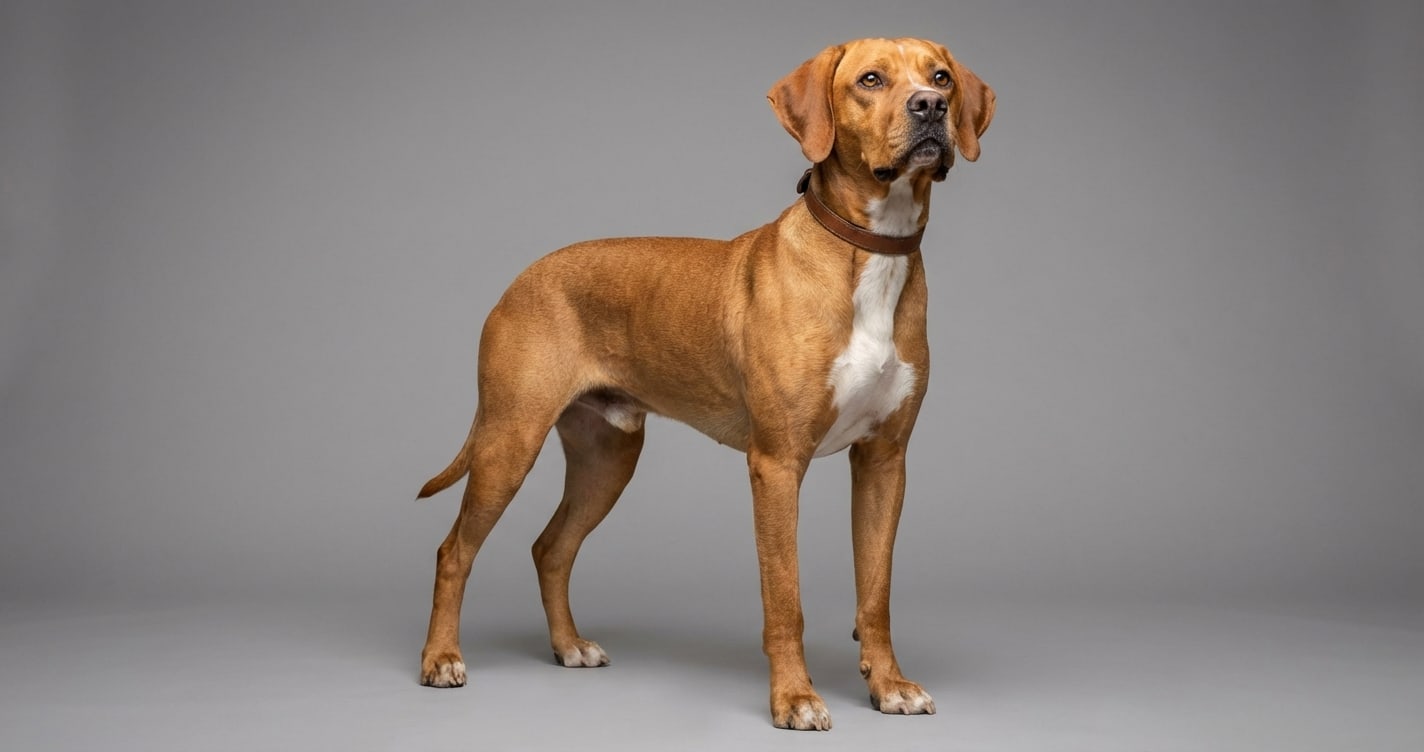
Origin and Historical Role
The Chukotka Sled Dog, a breed with origins traced back to the Chukotka Peninsula in Siberia, was meticulously developed by the Chukchi people for their sled dogs. This region, known for its extreme cold conditions, posed a unique challenge for the breed's development. The dogs were essential for sledding, endurance, and transportation in the harsh Arctic environment.
This breed's history dates back over 9,000 years when humans first began using dog power for hunting and traveling. The Chukotka Sled Dog remains a crucial cultural and economic asset for remote communities, such as Qaanaaq and Ittoqqortoormiit in Greenland, where mushing is a vital skill passed down through generations. These dogs are integral to survival, serving as hunting and fishing companions in the challenging Arctic landscapes.
Traditional dog sleds, such as the Chukchi "narta," were crafted with materials like driftwood, whalebone, and birch wood, showcasing the ingenuity and resourcefulness of the people who relied on these sled dogs for transportation and survival. The Chukotka Sled Dog's role in the Chukchi culture is not just as a working dog but also as a symbol of resilience and adaptation to the extreme conditions of the Arctic.
Breed Characteristics
The Chukotka Sled Dog is an Arctic spitz-type sled dog, characterized by its large size and medium-length coat. Males typically weigh between 20-25 kg and stand at 53-60 cm, while females weigh 18-22 kg and stand at 51-57 cm. This breed is energetic, independent, loyal, alert, and work-focused, making it an ideal choice for sled dog activities.
With a life span of 12-15 years, the Chukotka Sled Dog is robust and hardy, capable of enduring the extreme cold conditions for which it was bred. Despite its high energy levels, this breed has a low level of friendliness and moderate shedding, which should be considered by potential owners. The breed's trainability is moderate, requiring consistent and patient training.
The Chukotka Sled Dog is known for its hypoallergenic flag set at 0, indicating that the breed may not be suitable for those with allergies. This characteristic, along with its size and energy level, makes the breed less common in household settings and more suited to specific working environments.
Temperament and Behavior
Chukotka Sled Dogs are known for their hardiness and energetic nature, making them well-suited for work and physical activities. Their independent temperament means they require firm, confident leadership, but they are also loyal and alert, making them excellent companions for those who engage in outdoor activities.
These dogs are alert and focused on their work, which can make them somewhat aloof with strangers. Their moderate shedding and lower level of friendliness make them better suited for homes without children or those with limited space for shedding hair. Given their work-focused nature, Chukotka Sled Dogs may become bored or destructive if not provided with adequate exercise and mental stimulation.
Regular training and activities, such as sledding or agility, are essential to keep them happy and healthy. Their behavior is greatly influenced by their environment and the level of engagement they receive from their owners, making them highly responsive to positive reinforcement and consistent training methods.
Training and Exercise Needs
Training a Chukotka Sled Dog requires patience and consistency due to their independent nature and the need to follow commands. Positive reinforcement techniques are recommended to build trust and encourage desired behaviors. The breed's moderate trainability means that training should be started early and should be consistent throughout the dog's life.
Due to their high energy levels, these dogs require regular exercise, such as daily walks, runs, or sled pulling activities. Mental stimulation is also crucial, as it helps prevent boredom and behavioral issues. Engaging in activities that challenge their intelligence and instincts, such as scent work or puzzle games, can be beneficial and contribute to their overall well-being.
Chukotka Sled Dogs thrive in environments that allow them to use their natural instincts and engage in physical activities. A spacious yard or access to trails and open areas is ideal for providing the exercise and mental stimulation they need. Their physical and mental health are closely linked, making regular exercise and training a cornerstone of their care.
Health Considerations
As with any breed, the Chukotka Sled Dog may exhibit potential genetic health concerns, similar to those in other breeds, such as hip dysplasia and elbow dysplasia, which can affect mobility in older dogs. These conditions can be managed with proper diet, exercise, and veterinary care.
Regular veterinary check-ups are essential to monitor the dog's health and address any potential issues early. The Chukotka Sled Dog's ability to navigate steep hills and rough ice underscores the importance of a robust exercise routine to complement its natural resilience.
Compatibility with Other Pets and Children
Chukotka Sled Dogs are generally good with other dogs, but socialization with other pets and children should be started early. They may be more assertive with smaller animals or young children, so careful supervision is important. This breed's size and energy level can make interactions with children a delicate balance, requiring careful management to ensure the safety of both the child and the dog.
Given their large size and energetic nature, Chukotka Sled Dogs can be boisterous around young children. Owners should ensure that the dog is well-trained and has appropriate boundaries to prevent any accidental harm to children. The breed's protective nature can also be a factor, making them excellent guard dogs when properly trained.
Conclusion: Buying a Chukotka Sled Dog
When considering adding a Chukotka Sled Dog to your home, it is important to assess whether you can provide the necessary exercise, mental stimulation, and training. This breed is best suited for experienced dog owners who are committed to active lifestyles and have the space to accommodate a high-energy dog.
Here is a checklist to consider before purchasing a Chukotka Sled Dog:
- Have access to a spacious yard or access to trails and open areas for exercise.
- Are prepared for the time and effort required for training and socialization.
- Can provide consistent, firm leadership and positive reinforcement.
- Are ready to invest in regular veterinary care and a balanced diet.
The Chukotka Sled Dog can make an excellent addition to a family or individual with the right lifestyle and commitment. Their energy and intelligence are comparable to the adaptability of a qamutiik sled, designed to navigate various conditions.
Frequently Asked Questions
What is the lifespan of the Chukotka Sled Dog?
The average lifespan of the Chukotka Sled Dog is about 12-15 years. Good nutrition and regular veterinary care support a healthy life.
What is the temperament of the Chukotka Sled Dog?
The Chukotka Sled Dog is known for: Hardy, Energetic, Independent, Loyal, Alert, Work-focused. Its energy level is high.
What size and weight is the Chukotka Sled Dog?
It is a large dog, typically around Male: 20-25; Female: 18-22 kg as an adult.
Is the Chukotka Sled Dog easy to care for?
Reliable grooming and shedding ratings are not available. Routine brushing, ear and dental care, and nail trims are still recommended.
Is the Chukotka Sled Dog good with kids and other pets?
Reliable child- and pet-friendliness ratings are not available. Supervised, gradual introductions are recommended.
How much exercise does the Chukotka Sled Dog need?
With a high energy level, it needs walks, play or training matched to its stamina.
Chukotka Sled Dog
Trait Scores
N/A