Origin and History
The Chortai, a rare and elegant sighthound, originated in Southern Russia and Central Asia. This breed has a rich history, with its development believed to have stemmed from the now extinct Krymstaja and Gorskaja breeds. Once a favorite among the Russian nobility, a Chortai was exhibited at the London Zoo in 1829 as a Russian Greyhound. Despite being rarely seen outside their native country, the breed gained recognition from Soviet authorities at the Cynological Congress in Moscow in 1952. However, under the Soviet Union, the breed's numbers declined to near extinction. With the collapse of the Soviet Union, there has been a renewed interest in pre-revolutionary breeds, including the Chortai, leading to efforts to rescue the breed.
The Chortai's hunting tradition is deeply rooted in the Russian culture, where hunters mounted on horseback, accompanied by a brace of hounds and a raptor, would pursue game. This method of hunting has been a hallmark of the breed's use and has shaped its physical and temperamental characteristics.
After the October Revolution, remnants from the abandoned kennels of the nobility were crossed with local hound varieties, producing what is now known as the South Russian Steppe Hound. This crossbreeding effort was instrumental in preserving the breed's lineage and characteristics. The South Russian Steppe Hound, in turn, became the foundation for the modern Chortai, maintaining the breed's original purpose of hunting large game.
Physical Characteristics
The Chortai is a large breed, with males weighing between 25-35 kg and females between 23-32 kg. Males stand at a height of 64-74 cm, while females range from 61-71 cm. This breed is known for its athletic build and short coat, which is a trait inherited from its parent breeds, the Krymstaja and Gorskaja.
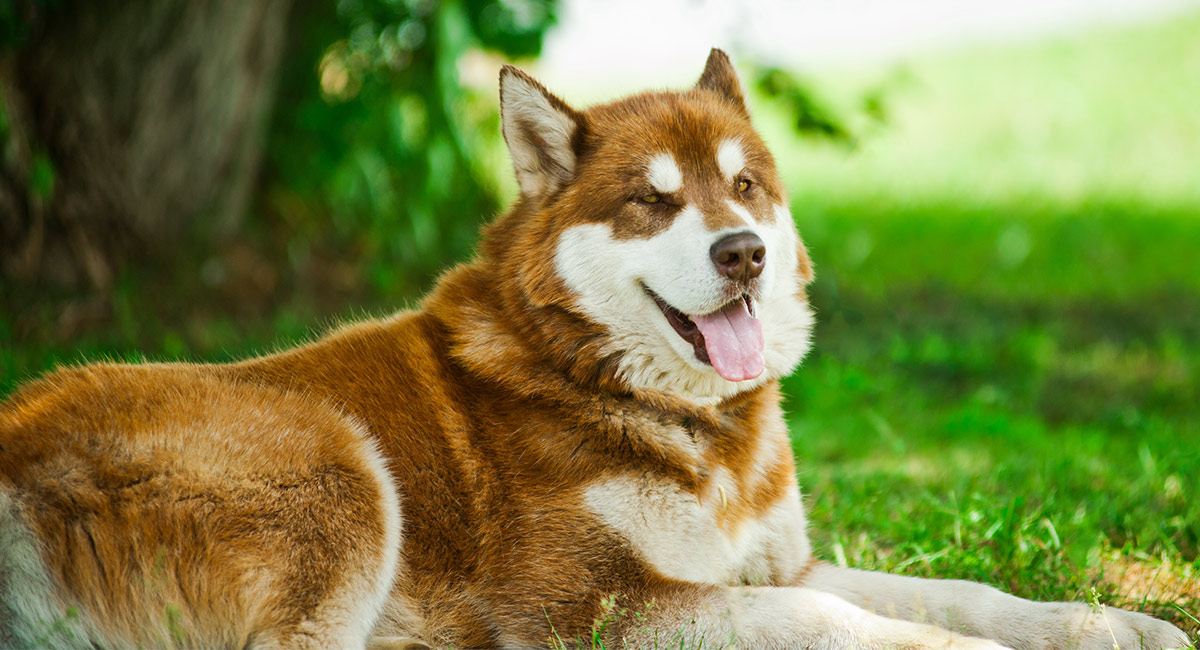
The coat of the Chortai is short and dense, providing minimal warmth and protection against the harsh steppe terrain of its origin. This coat also makes grooming relatively straightforward, requiring minimal effort to maintain. The color of the coat typically ranges from a creamy white to a fawn or red, with a distinctive mask and ear coloration.
The breed's head is long and narrow, with a well-defined stop and a long, tapering muzzle. The eyes are small and almond-shaped, and the ears are set high and thin, often drooping slightly. The tail is long and carried low, often reaching the hocks, and may have a brush at the tip, reminiscent of its hunting heritage.
Temperament and Behavior
The Chortai is known for its independent and intelligent nature. This breed is loyal and athletic, with a calm demeanor that makes it well-suited for various environments. Their intelligence and trainability are high, which is beneficial for both training and companionship.
This can be attributed to its independent nature, which requires careful handling and understanding by potential owners. The Chortai's hunting instincts can sometimes lead to a strong prey drive, making it important for owners to provide ample exercise and mental stimulation to channel this energy positively.
However, they do not require as much energy as other active breeds, making them suitable for owners with a lower energy level. Despite their independent streak, the Chortai can form strong bonds with their families and can be affectionate and protective.
Lifespan and Health
The Chortai has a lifespan of 11-13 years, which is average for a large breed. While they are generally healthy, like all breeds, they can be prone to certain health issues. Potential owners should be aware of the breed's susceptibility to conditions such as hip dysplasia and elbow dysplasia, which can be painful and affect mobility.
Owners should be vigilant for signs of discomfort or pain and seek veterinary attention promptly. Given their hunting heritage, the Chortai may also be prone to certain hereditary conditions, such as epilepsy, which can be managed with proper veterinary care and medication.
Breeding and Registration
The Chortai is a breed that has been recognized by the Soviet authorities and is now gaining interest among breeders worldwide. However, due to its rarity, finding a registered Chortai can be challenging. The American Kennel Club (AKC) does not recognize the Chortai as a breed, but it is recognized by the United Kennel Club (UKC) and the Fédération Cynologique Internationale (FCI).
Breeding the Chortai requires careful consideration of the breed's health and genetic background. Responsible breeders will conduct health screenings on their dogs to minimize the risk of hereditary conditions and ensure the overall health of the breed. These screenings may include evaluations for hip and elbow dysplasia, eye disorders, and cardiac issues.
As the breed becomes more popular, there may be an increase in registered Chortais, making it easier for potential owners to find a healthy and well-bred dog. However, due to the breed's rarity, the number of registered dogs remains relatively low, which can affect the availability of puppies.
Living with a Chortai
Living with a Chortai requires an understanding of the breed's unique characteristics and needs. Given their independent nature, the Chortai may not be the best choice for first-time dog owners. Potential owners should be prepared to invest time and effort into training and socializing their Chortai to ensure they are well-adjusted and behave appropriately in various situations.
The Chortai's short coat requires minimal grooming, making it a low-maintenance breed in terms of grooming. The Chortai is a high-energy dog that requires at least an hour of daily exercise, including both physical and mental activities.
Buying a Chortai
When considering the purchase of a Chortai, potential owners should be prepared for a significant investment. Here is a checklist to consider when buying a Chortai:
- Ensure the breeder conducts health screenings on their dogs.
- Ask for recommendations and references from current or previous owners.
- Visit the breeder's facility to see the living conditions of the dogs.
- Be prepared for a significant financial investment, as well as the time and effort required to care for a Chortai.
- Understand the breed's rarity and the potential challenges in finding a registered Chortai.
Buying a Chortai is a commitment that requires careful consideration and preparation. By doing so, potential owners can ensure they provide a loving and supportive home for this rare and elegant breed. The cost of a Chortai puppy can range from $1,500 to $3,000, depending on the breeder, the dog's bloodline, and the availability of registered dogs.
Frequently Asked Questions
What is the lifespan of the Chortai?
The average lifespan of the Chortai is about 11-13 years. Good nutrition and regular veterinary care support a healthy life.
What is the temperament of the Chortai?
The Chortai is known for: Independent, Intelligent, Loyal, Athletic, Calm. Its energy level is low.
What size and weight is the Chortai?
It is a large dog, typically around Male: 25-35; Female: 23-32 kg as an adult.
Is the Chortai easy to care for?
Reliable grooming and shedding ratings are not available. Routine brushing, ear and dental care, and nail trims are still recommended.
Is the Chortai good with kids and other pets?
Reliable child- and pet-friendliness ratings are not available. Supervised, gradual introductions are recommended.
How much exercise does the Chortai need?
With a low energy level, it needs walks, play or training matched to its stamina.
Chortai
Trait Scores
N/A