Origin and Historical Background
The Chesapeake Bay Retriever originated in the United States, specifically in the Chesapeake Bay area of Maryland during the 19th century. This breed was crucial to local market hunters, who relied on them for retrieving waterfowl, pulling fishing nets, and rescuing fishermen in harsh conditions.
Historically, the breed was developed from two pups, "Sailor" and "Canton," which were rescued from a foundering ship in 1807. These pups were of Newfoundland descent, a breed known for its retrieving abilities and water-resistant coat, which were instrumental in shaping the Chesapeake Bay Retriever's characteristics.
The breed was officially recognized by the American Kennel Club (AKC) in 1918, marking a significant milestone in its history. Since then, it has become one of the most popular retriever breeds in the United States.
Physical Appearance
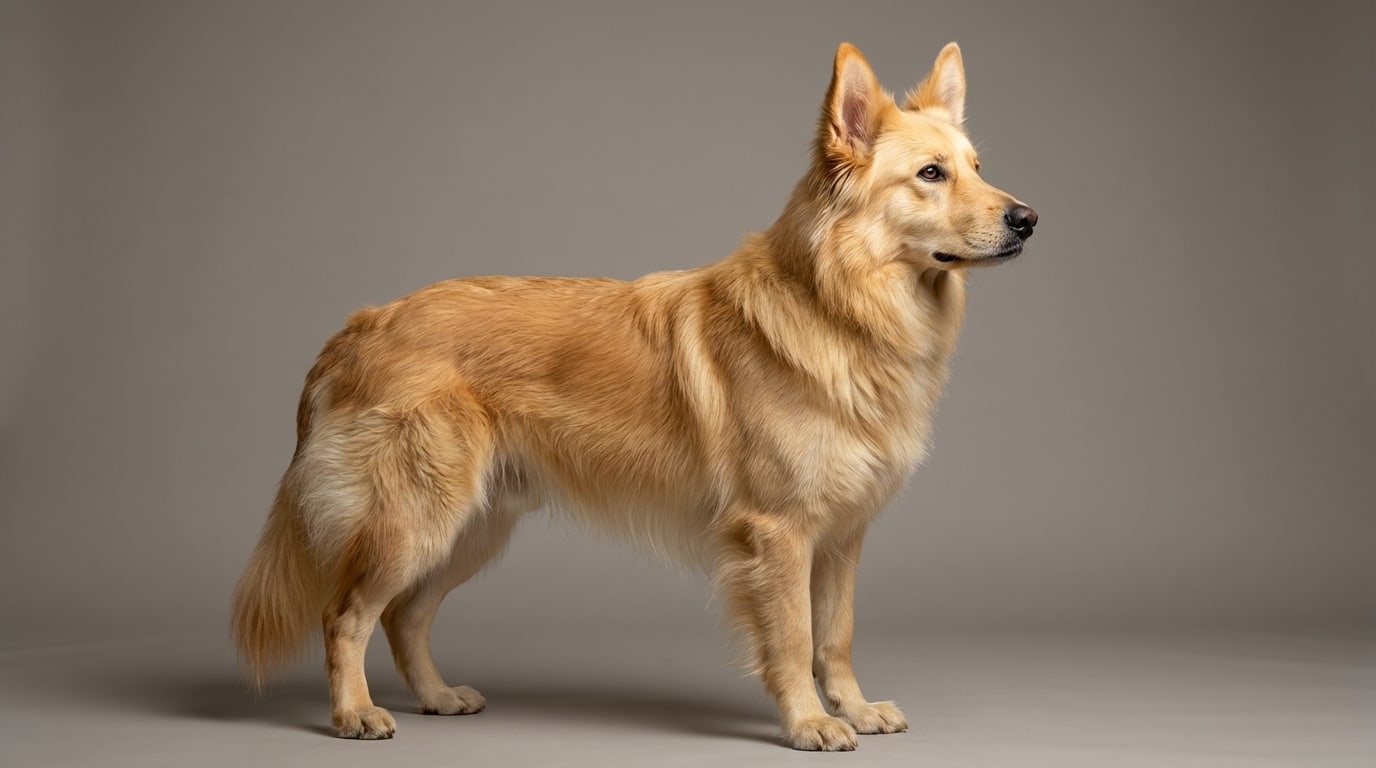
The Chesapeake Bay Retriever is a large, robust breed, weighing between 45 to 80 pounds and standing 21 to 27 inches at the shoulder. Their distinctive features include very clear eyes of a yellowish or amber hue, which are a hallmark of the breed.
Their hindquarters are higher than the shoulders, contributing to their strong and powerful build. They possess a double-coat that tends to wave on the shoulders, neck, back, and loins, which is a result of their water-resistant coat that allows them to swim for extended periods without getting tired.
Their coat is waterproof and slightly oily, often associated with a musky odor. This coat comes in three basic colors: brown, sedge, and deadgrass, each with a unique appearance that adds to the breed's charm.
Coat Characteristics
The hair on the face and legs of the Chesapeake Bay Retriever is very short and straight, providing a sleek appearance. However, it has a tendency to wave on the shoulders, neck, back, and loins, never curling, which is a defining trait of the breed.
Owners should brush their dog with a short-tooth brush once a week to remove loose fur and prevent mats. Bathing should be done every 3–4 months with a mild shampoo to keep the coat in good condition. Due to their water-resistant coat, Chesapeakes tend to be cleaner than other breeds and often do not require frequent bathing.
Temperament and Behavior
The Chesapeake Bay Retriever has a bright and happy disposition, intelligence, and a quiet good sense. They are known for their courage, willingness to work, alertness, and love of water, making them excellent companions for outdoor enthusiasts.
While some may be reserved with strangers, others are outgoing and can make excellent family dogs when properly socialized.
Training and Intelligence
The Chesapeake Bay Retriever is an intelligent breed that learns quickly and has a strong work ethic. Historically, they were considered stubborn and difficult to train, but modern training methods have changed this perception.
Trainers now recommend consistent, daily obedience training with playtime before and after to encourage the dog to work without requiring physical discipline. Positive reinforcement techniques are highly effective with this breed.
This breed competes in various activities including field trials, hunt tests, conformation, obedience, agility, and tracking. Their natural retrieving instincts and intelligence make them excel in these activities.
Health Considerations
The Chesapeake Bay Retriever is subject to several hereditary diseases, including exercise-induced collapse (EIC), hip dysplasia, progressive retinal atrophy (PRA), and type 3 von Willebrand disease (vWD). These conditions can significantly impact the quality of life for affected dogs.
They are also prone to cataracts, regional alopecia, and degenerative myelopathy, which is a progressive disease of the spinal cord.
UK Kennel Club and US breed club surveys indicate a median lifespan of 10.75 years, with significant variation in actual lifespans.
Buying a Chesapeake Bay Retriever
- Research the breed's history and characteristics to ensure it aligns with your lifestyle and expectations. Understanding the breed's history can help you appreciate its unique traits and potential challenges.
- Consider the breed's exercise needs, intelligence, and grooming requirements when making your decision.
- Look for a breeder with a good reputation, and ask about the health history of the parents and the puppies. Responsible breeders will be transparent about the health of their dogs and will conduct genetic testing where appropriate.
- Be prepared for the financial commitment associated with owning a Chesapeake Bay Retriever, including vet care and training. These dogs can be expensive to maintain, but their loyalty and companionship make the investment worthwhile.
Frequently Asked Questions
What is the lifespan of the Chesapeake Bay Retriever?
The average lifespan of the Chesapeake Bay Retriever is about 10-13 years. Good nutrition and regular veterinary care support a healthy life.
What is the temperament of the Chesapeake Bay Retriever?
The Chesapeake Bay Retriever is known for: Intelligent, Courageous, Loyal, Protective, Confident. Its energy level is moderate.
What size and weight is the Chesapeake Bay Retriever?
It is a large dog, typically around Male: 29-36; Female: 25-32 kg as an adult.
Is the Chesapeake Bay Retriever easy to care for?
Reliable grooming and shedding ratings are not available. Routine brushing, ear and dental care, and nail trims are still recommended.
Is the Chesapeake Bay Retriever good with kids and other pets?
Reliable child- and pet-friendliness ratings are not available. Supervised, gradual introductions are recommended.
How much exercise does the Chesapeake Bay Retriever need?
With a moderate energy level, it needs walks, play or training matched to its stamina.
Chesapeake Bay Retriever
Trait Scores
N/A