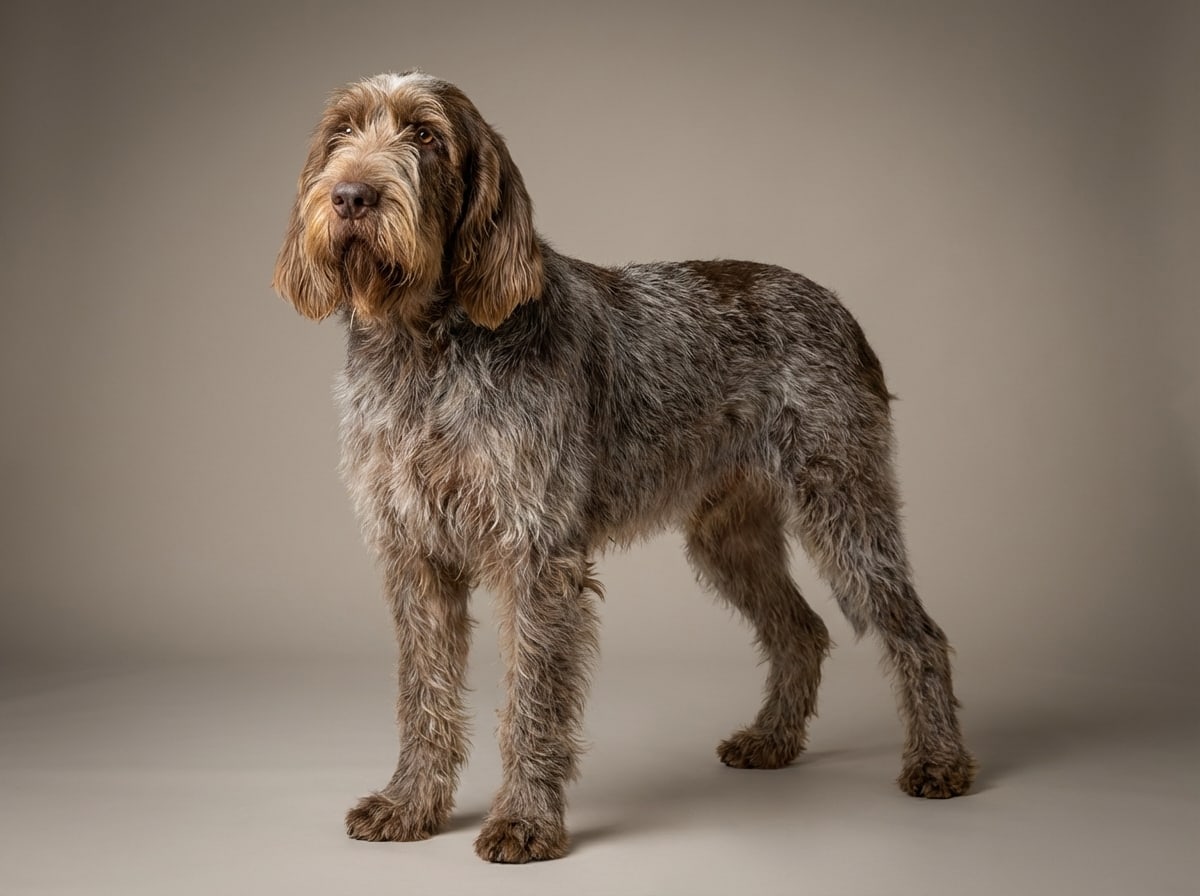
Origin and Development
The Cesky Terrier, also known as the Bohemian Terrier, originated in the Czech Republic in 1948. Created by Czech breeder František Horák, the Cesky Terrier was a cross between a Sealyham Terrier and a Scottish Terrier, designed to be a hunting terrier suitable for the forests of Bohemia. Horák, who worked as a research assistant at the Czechoslovak Academy of Sciences, used his scientific knowledge to develop the breed. Despite not being a trained scientist, his efforts led to the Cesky Terrier gaining international recognition by the Fédération Cynologique Internationale in 1963. The breed's rarity is highlighted by its status as one of the six most rare dog breeds worldwide. It was first imported to the United States in the 1980s and gained recognition by the American Kennel Club in 2004, allowing it to compete in Earthdog tests. The Cesky Terrier's development was a response to the need for a versatile hunting dog that could work in the dense forests of Bohemia, and its unique heritage is reflected in its physical and temperamental traits.
Horák's dedication to the breed was not only driven by his scientific background but also by his personal passion for dogs. He was a member of the Czechoslovak Canine Club and actively participated in dog shows and competitions. The breed's early development involved careful selection for specific traits, including hunting ability, temperament, and physical appearance, which has contributed to the Cesky Terrier's distinct characteristics today.
The Cesky Terrier's recognition by the Fédération Cynologique Internationale (FCI) in 1963 was a significant milestone for the breed. It was the first time the Cesky Terrier was officially recognized on an international level, opening doors for its popularity to grow beyond the Czech Republic. The breed's unique combination of a Sealyham's intelligence and a Scottish Terrier's agility made it a sought-after hunting companion, and its reputation as a skilled worker in the field continued to grow.
As the Cesky Terrier gained recognition, breeders around the world began to take interest. The breed's introduction to the United States in the 1980s was a result of its growing popularity and the efforts of dedicated breeders who believed in the Cesky Terrier's potential. The American Kennel Club's recognition of the breed in 2004 further solidified its place in the American dog fancy, allowing it to compete in various dog sports and activities.
Physical Description
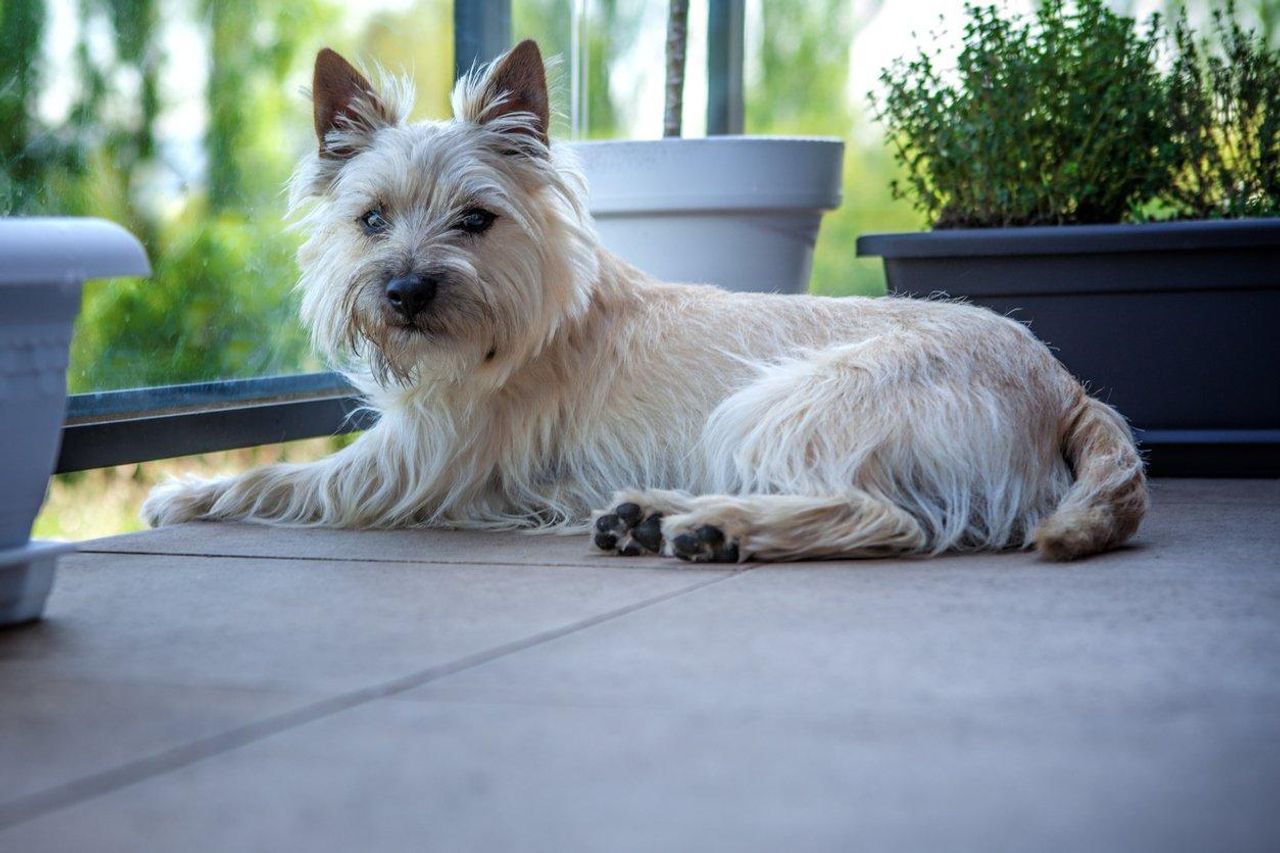
The Cesky Terrier is a well-muscled, short-legged hunting terrier with a rectangular format. Males ideally stand at 11.5 inches (290 mm) at the withers, while females are 10.5 inches (270 mm). The weight range is between 13 and 22 pounds (5.9 and 10.0 kg), and the body length is between 16 and 17 inches (410 and 430 mm), maintaining a ratio of approximately 1.5 to 1 with height. The breed's physical characteristics are a result of its hunting heritage, with a robust build and a coat designed to protect against the elements.
The Cesky Terrier's coat is long, fine, and slightly wavy with a silky gloss, available in shades of gray from charcoal to platinum, or rarely brown (liver pigmented).
The Cesky Terrier has a well-muscled neck, a slightly rising topline, and a fully muscled, oblong body. The chest is cylindrical, the ribs well-sprung, and the underline ample with a slightly tucked-up belly. These physical attributes contribute to the breed's agility and stamina, essential for its hunting role. The tail is strong and low-set, with an ideal length of 7 to 8 inches (180 to 200 mm), adding to the Cesky Terrier's distinctive appearance.
The Cesky Terrier's gait is free, driven, and enduring, with a gallop that is slow but lasting. The breed's movement is smooth and fluid, reflecting its agility and athleticism. The Cesky Terrier's physical characteristics are not only important for its hunting abilities but also for its appearance in the show ring, where breed standards are strictly adhered to.
Temperament and Personality
Compared to other terriers, the Cesky Terrier is known for its calm and gentle temperament. This breed is playful, intelligent, loyal, and devoted, making it a suitable companion for families. However, it is less active and quieter than many other terriers, which may or may not be suitable for families with children. The Cesky Terrier's temperament is a result of its breeding for hunting, where a calm and steady demeanor is beneficial.
The breed standard emphasizes a calm dog, and aggression is a disqualifying fault. This temperament, along with its hunting background, makes the Cesky Terrier an effective worker in packs and suitable for hunting tasks. The breed's intelligence and trainability also contribute to its effectiveness as a working dog, with a history of successful hunting and obedience performances.
The Cesky Terrier's personality is often described as affectionate and sensitive. They form strong bonds with their owners and can be quite attached to them. This loyalty and devotion make the Cesky Terrier a great companion for those looking for a devoted pet. The breed's temperament also makes it a good choice for individuals or families looking for a dog that is less likely to be aggressive or overly energetic.
Health Considerations
Health considerations for the Cesky Terrier include hip dysplasia, patella luxation, cardiac abnormalities, primary lens luxation (PLL), cataracts, thyroid issues, degenerative myelopathy, and Type 3 von Willebrand disease.
Hip dysplasia is a genetic condition that can lead to arthritis and pain in the affected dog. Patella luxation, another common condition, involves the kneecap slipping out of place, causing pain and lameness.
Cardiac abnormalities can affect the Cesky Terrier's heart function and may require medical intervention. Primary lens luxation (PLL) is a condition where the lens of the eye becomes dislocated, leading to vision problems and potential blindness. Cataracts, which are cloudy areas in the lens of the eye, can also affect the Cesky Terrier and may require surgical correction.
Thyroid issues, including hypothyroidism and hyperthyroidism, can affect the Cesky Terrier's metabolism and overall health. Degenerative myelopathy is a progressive disease of the spinal cord that can lead to paralysis. Type 3 von Willebrand disease is a blood clotting disorder that can lead to excessive bleeding and is a serious concern for the breed.
Scotty Cramp, a minor problem causing awkward movement, is also occasionally seen in the breed. While not as serious as the other conditions, it can be a concern for owners and breeders alike.
Care and Grooming
The Cesky Terrier's coat is not stripped but rather clippered. The grooming process involves clipping and scissoring into a saddle pattern on the body, with the longer hair ending in a V on the tail. The transition between clipped and unclipped areas should be smooth and pleasing to the eye.
Regular brushing is also important to prevent mats and tangles, especially in the longer areas of the coat. The Cesky Terrier's coat can be prone to shedding, so frequent grooming can help manage this. Bathing should be done as needed, using a mild dog shampoo to avoid stripping the coat of its natural oils.
Nail trimming is also important to prevent overgrowth and potential injury. The breed's ears should be checked regularly for signs of infection, and the eyes should be kept clean to prevent eye disorders.
Living with a Cesky Terrier
Given its size, energy level, and temperament, the Cesky Terrier is best suited for active households. This breed is known for its loyalty and devotion, making it a great companion for those looking for a devoted pet.
They are known to be protective of their owners and can be good watch dogs.
Buying a Cesky Terrier
- Reputable breeder: Choose a breeder who is committed to the health and welfare of the breed. Look for breeders who are members of recognized kennel clubs and have a history of producing healthy, well-tempered Cesky Terriers.
- Health clearances: Ensure that the puppy's parents have been cleared of common health issues. This may include hip and elbow evaluations, eye exams, and cardiac evaluations.
- Temperament: Meet the puppy and assess its temperament to ensure it fits your lifestyle. Spend time with the puppy to observe its behavior and interactions with people and other animals. A well-socialized and confident puppy is more likely to be a well-adjusted adult.
- Training: Consider the level of training the puppy has received and whether it will require further training. A puppy that has had basic obedience training is more likely to be easier to manage and integrate into your home.
Frequently Asked Questions
What is the lifespan of the Cesky Terrier?
The average lifespan of the Cesky Terrier is about 12-15 years. Good nutrition and regular veterinary care support a healthy life.
What is the temperament of the Cesky Terrier?
The Cesky Terrier is known for: Calm, Gentle, Playful, Intelligent, Loyal, Devoted. Its energy level is high.
What size and weight is the Cesky Terrier?
It is a medium-sized dog, typically around 6-11 kg as an adult.
Is the Cesky Terrier easy to care for?
Reliable grooming and shedding ratings are not available. Routine brushing, ear and dental care, and nail trims are still recommended.
Is the Cesky Terrier good with kids and other pets?
Reliable child- and pet-friendliness ratings are not available. Supervised, gradual introductions are recommended.
How much exercise does the Cesky Terrier need?
With a high energy level, it needs walks, play or training matched to its stamina.
Cesky Terrier
Trait Scores
N/A