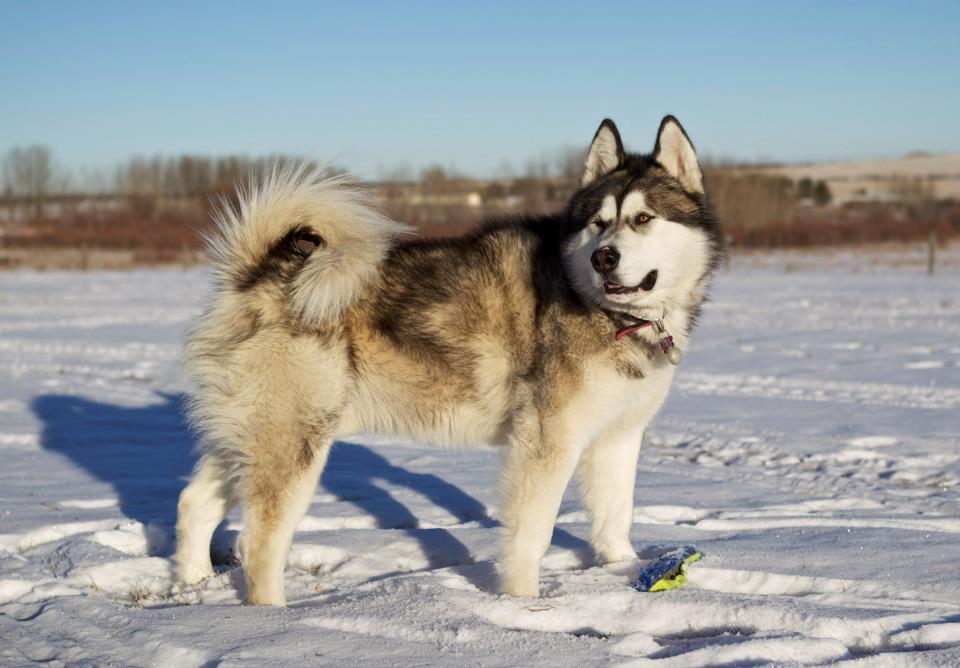
Origin and Historical Significance
The Central Asian Shepherd Dog, known by various names such as Alabay, Alabai, Tobet, and Turkmen Wolfhound, has its origins in Central Asia. This ancient breed, which dates back thousands of years, was primarily used for guarding livestock, including sheep and goat herds, and for protecting owners and property. In Turkmenistan, the breed is not only a symbol of national heritage but also of pride, as evidenced by the gold statue unveiled in 2020.
Historically, the Central Asian Shepherd Dog has been associated with a region spanning from the Ural Mountains to the Caspian Sea, Asia Minor, and the Northwest border of China.
Despite the introduction of new breeds and crossbreeding, the Central Asian Shepherd Dog has maintained its stability and reputation for working abilities. The breed's population is still robust, with purebred dogs remaining with herders, breed enthusiasts, and farms, despite the decline in traditional livestock guarding roles.
Breed Characteristics and Appearance
The Central Asian Shepherd Dog is a robust and powerful breed, with a large and strong bone structure and powerful muscles. Males typically weigh between 50-80 kg and stand at 69-81 cm tall at the withers, while females weigh between 40-65 kg and stand at 61-69 cm. The breed's coat is medium in length, with a heavy undercoat, and comes in various colors such as black/white, fawn, and brindle.
Distinctive features of the breed include extremely flexible joints, false ribs, a specific head set, a very strong neck with a massive dewlap, and expressive eyes that reveal intelligence. The head lacks a pronounced stop or sculls, and the neck is low set, short, with a dewlap. The body is broad and proportionate, with flat muscles and a very long ribcage due to the development of false ribs. The legs are straight, with heavy boning and moderate yet defined angulation, and the rump is broad. The typical gait is a gallop, but the breed can also trot for extended periods without tiring.
While the breed is known for its protective and territorial nature, it also maintains a calm demeanor. This combination of traits makes the Central Asian Shepherd Dog a suitable guardian for both livestock and human dwellings.
Temperament and Behavior
The Central Asian Shepherd Dog is known for its independent, protective, confident, courageous, and calm temperament. This breed is highly territorial and has a natural instinct to protect its family and property. Its protective nature extends to the care and respect it shows towards children and the elderly, as well as to all small animals under its watch.
The Central Asian Shepherd Dog is not typically friendly with strangers, which is a trait that can be advantageous in a protective role but may also require careful socialization to ensure it does not become overly aggressive.
Dogs from working lines, fighting lines, and livestock guardian lines may exhibit different behaviors, and simple pedigree research and conversation with the breeder can help potential owners understand what to expect from their dog.
Health and Genetic Considerations
The Central Asian Shepherd Dog is generally a healthy breed, with a lifespan of 12-15 years. Owners should be aware of potential issues such as hip dysplasia, which can affect the dog's mobility, and elbow dysplasia, which can cause pain and lameness.
It is worth noting that the breed's genetic similarity to other aboriginal livestock guardian dogs may increase the risk of certain genetic health conditions.
Working Abilities and Modern Roles
The Central Asian Shepherd Dog was originally bred for its working abilities, particularly as a livestock guardian. While the breed's role in livestock protection has diminished in many parts of the world, it is still in demand in some regions where sheep herding remains a vital activity.
In addition to livestock guarding, the Central Asian Shepherd Dog has been selectively bred for other working roles. Russian breed experts have developed dogs for personal protection and working dogs, which excel in obedience, territory protection, and personal protection. These dogs are intelligent and make excellent house dogs, capable of learning basic house rules without complex training.
While the breed has been introduced to the worldwide sheep breeding community with success, it is also used in other capacities, such as in police and military roles due to its intelligence and protective nature.
Popularity and Recognition
The Central Asian Shepherd Dog has a significant presence in its countries of origin, particularly in Turkmenistan, where it is celebrated through various events and initiatives. In 2021, Turkmenistan established the National Holiday of the Turkmen Alabay, and the first beauty contest "Brave Turkmen Alabay of the Year" was held in celebration of the holiday.
Internationally, the breed is recognized by various kennel clubs and organizations. The Russian Kennel Club (RKF) classifies the Central Asian Shepherd Dog as a working dog breed, reflecting its success in obedience, protection, and military-related training. The United Kennel Club (UKC) places the breed in the Flock Guardian group, acknowledging its natural sheep-guarding abilities. The Fédération Cynologique Internationale (FCI) classifies the breed as Molossoid dogs, reflecting its common ancestry with related breeds.
Despite its recognition, the Central Asian Shepherd Dog is banned in Denmark, highlighting the breed's controversial status in some countries due to its protective and territorial nature.
Buying and Owning a Central Asian Shepherd Dog
When considering the purchase of a Central Asian Shepherd Dog, potential owners should be prepared for the breed's specific needs and characteristics. Here is a practical checklist to consider:
- Research the breed thoroughly to understand its temperament, working abilities, and health considerations.
- Seek out reputable breeders who prioritize health and temperament in their breeding programs.
- Be prepared for the breed's protective and territorial nature, and ensure the dog has proper socialization from a young age.
- Be financially prepared for the costs of veterinary care, food, and other necessities.
Frequently Asked Questions
What is the lifespan of the Central Asian Shepherd Dog?
The average lifespan of the Central Asian Shepherd Dog is about 12-15 years. Good nutrition and regular veterinary care support a healthy life.
What is the temperament of the Central Asian Shepherd Dog?
The Central Asian Shepherd Dog is known for: Independent, Protective, Confident, Courageous, Calm. Its energy level is low.
What size and weight is the Central Asian Shepherd Dog?
It is a large dog, typically around Male: 50-80; Female: 40-65 kg as an adult.
Is the Central Asian Shepherd Dog easy to care for?
Reliable grooming and shedding ratings are not available. Routine brushing, ear and dental care, and nail trims are still recommended.
Is the Central Asian Shepherd Dog good with kids and other pets?
Reliable child- and pet-friendliness ratings are not available. Supervised, gradual introductions are recommended.
How much exercise does the Central Asian Shepherd Dog need?
With a low energy level, it needs walks, play or training matched to its stamina.
Central Asian Shepherd Dog
Trait Scores
N/A