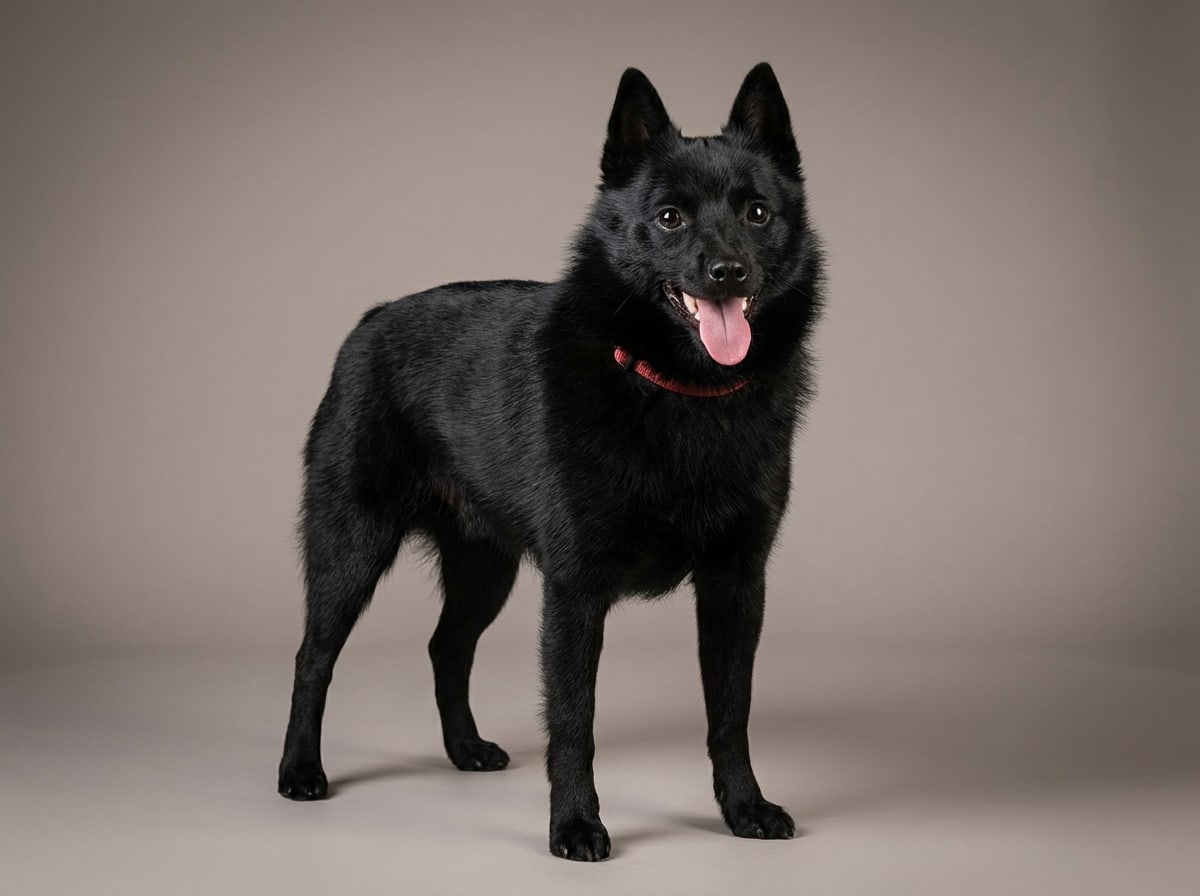
Origin and History
The Catalan Sheepdog, known as Gos d'Atura Català in Catalan and Pastor Catalán in Spanish, has its origins in the valleys and foothills of the Pyrenees in Catalonia, Spain. This breed's roots can be traced back to the long-haired herding dogs that were once widespread in the Pyrenees, sharing a lineage with the Pyrenean Shepherd and the Euskal Artzain Txakurra. Recognized as a distinct breed in 1911, the Catalan Sheepdog was first standardized in 1929. It was officially accepted by the Fédération Cynologique Internationale (FCI) in 1954, marking its international recognition. The breed has since spread throughout Catalonia and parts of Spain, with breed societies established in Finland, France, Germany, and Holland.
Originating from the Catalan Pyrenees, the Catalan Sheepdog was traditionally employed for herding livestock, particularly horses and sheep. In the modern era, this versatile breed has transitioned to also serve as a companion animal, retaining its herding instincts and intelligence. The breed's recognition and standardization reflect the historical significance of herding dogs in the region, where their skills were vital for managing livestock in the challenging terrain of the Pyrenees. The Catalan Sheepdog has been a part of the agricultural landscape since the 18th century, playing a crucial role in the local economy.
Historical figures such as farmers and shepherds have relied on the Catalan Sheepdog's herding abilities, which have been honed over generations. The breed's resilience and intelligence have made it an invaluable asset in the Pyrenees, where harsh weather conditions and rugged terrain demand a dog that can adapt and perform under pressure.
Physical Characteristics
Measuring between 47 to 55 cm at the withers for males and 45 to 53 cm for females, the Catalan Sheepdog is a medium-sized dog. Their weight ranges from 20 to 28 kg for males and 17 to 21 kg for females, making them robust and muscular.
Their coat is a distinctive feature, characterized by its long, shaggy texture, which can be either flat or slightly wavy. The coloration ranges from fawn to dark sable and light to dark grey, with a short-haired variety nearly extinct. The coat's rough texture and abundant undercoat provide insulation, a trait that is particularly beneficial in the Pyrenees' varying climate, which includes both hot summers and cold winters.
Another notable feature is the beard and mustache, as well as the tuft and eyebrows, which are present on the head but do not obstruct the dog's vision. This unique facial hair is thought to have evolved as a form of protection against the harsh elements of the Pyrenees. The tail is well-covered with hair, and all four limbs are similarly adorned, adding to the Catalan Sheepdog's unique appearance and making them easily recognizable.
The long, thick coat not only provides insulation but also serves as a natural defense against thorny vegetation, a common feature in the region's terrain.
Temperament and Behavior
Intelligent and loyal, the Catalan Sheepdog is known for its energetic and protective nature. This breed is highly trainable, excelling in dog sports such as agility and doggy-dance, reflecting its natural herding instincts. Despite its appearance, the Catalan Sheepdog is also used as a watch-dog, demonstrating its courage and alertness. The breed's temperament is a blend of intelligence, energy, and a strong sense of duty, making them well-suited for various roles.
As a herding dog, the Catalan Sheepdog naturally guards sheep without needing explicit instruction. This same instinct makes them excellent family pets, provided they receive adequate outdoor activity and mental stimulation. Their protective nature means they form strong bonds with their families and will defend them if necessary. This breed is suitable for individuals with firm techniques and the ability to provide the necessary exercise, ensuring a well-balanced and quiet companion at home.
The Catalan Sheepdog's behavior is influenced by its history as a working dog. They are naturally inclined to be active and engaged, which requires a home environment that can accommodate their need for exercise and mental challenges.
Health Considerations
While the Catalan Sheepdog is a hardy breed, they are prone to hip dysplasia, a condition that can affect the dog's mobility. This condition occurs when the hip joint does not fit together perfectly, which can lead to arthritis or lameness.
The average lifespan of the Catalan Sheepdog is 12 to 14 years, which is typical for medium-sized breeds. However, certain genetic health issues can affect their longevity, including degenerative myelopathy, a progressive disease of the spinal cord that can lead to weakness and paralysis of the back legs.
Buying a Catalan Sheepdog
Given the breed's high energy level and protective nature, potential owners should assess whether their lifestyle can accommodate the Catalan Sheepdog's needs. This breed requires an active lifestyle with ample opportunities for exercise and mental stimulation. Those who live in apartments or have limited outdoor space may find that this breed is not the best match for their lifestyle.
Be prepared for the cost of ownership, which includes not only the initial purchase price but also ongoing expenses such as veterinary care, grooming, and proper nutrition.
Ensure that your household is a good match for this breed. If you have children or other pets, look for a Catalan Sheepdog that has been well-socialized and is comfortable in a family environment.
The Catalan Sheepdog Club of America, for example, provides resources and guidance for potential owners, including information on finding a responsible breeder.
Frequently Asked Questions
What is the lifespan of the Catalan Sheepdog?
The average lifespan of the Catalan Sheepdog is about 12-14 years. Good nutrition and regular veterinary care support a healthy life.
What is the temperament of the Catalan Sheepdog?
The Catalan Sheepdog is known for: Intelligent, Loyal, Energetic, Protective, Courageous. Its energy level is high.
What size and weight is the Catalan Sheepdog?
It is a large dog, typically around Male: 20-28; Female: 17-21 kg as an adult.
Is the Catalan Sheepdog easy to care for?
Reliable grooming and shedding ratings are not available. Routine brushing, ear and dental care, and nail trims are still recommended.
Is the Catalan Sheepdog good with kids and other pets?
Reliable child- and pet-friendliness ratings are not available. Supervised, gradual introductions are recommended.
How much exercise does the Catalan Sheepdog need?
With a high energy level, it needs walks, play or training matched to its stamina.
Catalan Sheepdog
Trait Scores
N/A