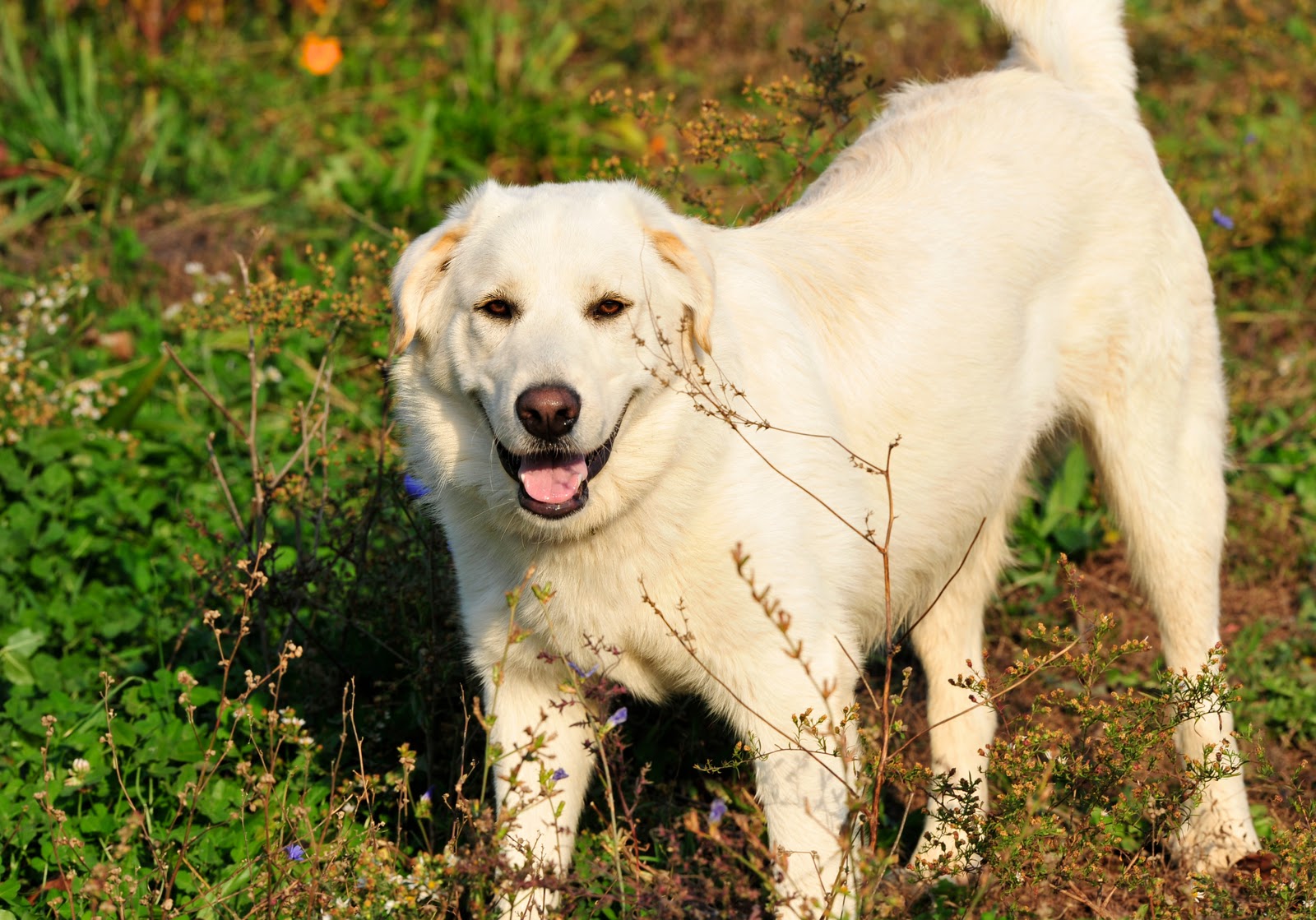
Origin and Historical Background
The Cardigan Welsh Corgi, known for its dwarf dog characteristics, originated in the Cardiganshire region of Wales. This breed, one of the oldest in the British Isles, was initially part of a single breed known as the Welsh Corgi, which included both the Cardigan and Pembroke varieties. The two breeds were officially recognized as distinct by The Kennel Club in 1928, and were shown separately at dog shows by 1934. The official name change to Cardigan Welsh Corgi occurred in 2006. The breed was brought to the United States in June 1931. The Cardiganshire region, where the breed originated, is known for its rich history in farming and livestock management, which influenced the breed's development as a versatile working dog.
Historically, the Cardigan Welsh Corgi was primarily a farm guardian, evolving into roles such as cattle drover and herder. Their versatility and loyalty have made them valuable companions and working dogs. The breed's origin is attributed to northern spitz-type dogs or the teckel family, the latter being the lineage of the dachshund. The Cardigan Welsh Corgi has been a staple in Welsh agriculture for centuries, playing a crucial role in the management of livestock and property.
The name "corgi" is derived from the Welsh "cor gi," meaning "dwarf dog," while the term "Cardigan Welsh corgi" refers to their area of origin, Cardiganshire, Wales. This breed, once called "yard-long dog" in Welsh, has a long history of serving various roles, from herding to guarding, and has been a part of Welsh culture for over a thousand years. The Cardigan Welsh Corgi's historical significance is not only as a working dog but also as a symbol of Welsh heritage and identity.
Breed Description and Appearance
The Cardigan Welsh Corgi is a long, low dog with upright ears and a distinctive fox brush tail, which can be either straight or curved. Their body is sturdily built, resembling a low-set herding dog, and they are known for their intelligence and versatility. The breed's tail is a notable feature, being long compared to the Pembroke Welsh Corgi, which may have a naturally bobbed or docked tail. The Cardigan's tail is often carried over the back or to the side, and is sometimes used to signal emotions or intentions to other dogs.
Cardigans are double coated and come in a variety of colors, including shades of red, sable, brindle, black, and blue merle. The blue merle coat, unique to the Cardigan, is characterized by black or grey speckles, marbling, and pale blue or uniquely colored eyes. They often have white markings on the neck, chest, legs, muzzle, underbelly, tail tip, and head, known as the "Irish pattern. " Ticking on the legs and muzzle, smutty muzzles, and monk's hoods are common, especially in sables.
On average, a Cardigan Welsh Corgi stands at 27-32 cm tall at the withers and weighs between 14-17 kg for males and 11-15 kg for females. The breed's size, strength, and agility make them well-suited for their historical roles as herders and guardians, as well as for their current roles as beloved family pets.
Temperament and Behavior
Cardigan Welsh Corgis are known for their affectionate and loyal nature. They form strong bonds with their owners and are highly intelligent, making them easy to train. Their alertness and adaptability make them well-suited to a variety of activities, including dog agility trials, obedience, showmanship, flyball, and tracking events. Cardigans have been known to excel in competitive dog sports, often competing at the national and international levels.
While they can be cautious around strangers, Cardigans tend to be less social than other breeds. However, once comfortable, they are playful and exhibit a relaxed personality. This breed's pack mentality is evident in their behavior at home, where they establish their place within the family and among other pets, often taking on the role of protector or leader.
Cardigans see themselves as part of a pack, with humans as their leaders. This pack mentality is evident in their behavior at home, where they establish their place within the family and among other pets. They are often seen as "people dogs," forming strong emotional connections with their owners and being sensitive to their needs and emotions.
Health Considerations
The Cardigan Welsh Corgi has a life expectancy of approximately 13.1 years, which is slightly higher than the average for purebreds. However, they are prone to certain health issues, including cancer, old age, and neurological disorders, which are the most common causes of death in the breed, according to a 2004 Kennel Club survey.
Canine Intervertebral Disc Disease (IVDD) is a concern for the Cardigan, likely due to their dwarfed stature. This condition is commonly found in breeds with similar characteristics, such as the Dachshund. Progressive Retinal Atrophy is another inherited vision disorder that can affect the breed, leading to gradual vision loss. Hip dysplasia and degenerative myelopathy are also potential health issues that owners should be aware of.
Responsible breeders conduct genetic testing and health screenings on their dogs to ensure they are not passing on hereditary conditions to future generations.
Breeding and Reproduction
Male Cardigan Welsh Corgis can breed throughout the year, while females typically breed twice a year. The breeding cycle for females lasts about 21 days, known as being "in heat. " Pregnancy lasts about two months, and the female can have a litter of puppies, which is the process of whelping. Newborn puppies are blind and deaf at birth but begin to see after 10 days and hear after three weeks. They are weaned off milk after six weeks, and adult teeth emerge by four to six months.
Selective breeding practices are used to minimize health issues and ensure the breed's overall well-being. Breeders focus on maintaining the breed's distinctive traits while addressing potential health concerns. The Cardigan Welsh Corgi Club of America and other breed organizations provide guidelines and resources to assist breeders in their efforts to produce healthy, temperamentally sound dogs.
Living with a Cardigan Welsh Corgi
Cardigan Welsh Corgis are affectionate and devoted companions, making them excellent pets for families and individuals alike.
Due to their herding instincts, Cardigans can be protective of their territory and may exhibit herding behavior, such as nipping at the heels of children.
Professional grooming services or regular at-home care can help manage shedding and keep the coat healthy.
Buying a Cardigan Welsh Corgi: A Practical Checklist
- Research reputable breeders who prioritize health and temperament.
- Ask for health clearances and ensure the breeder conducts genetic testing for common health issues, such as Canine Intervertebral Disc Disease (IVDD), Progressive Retinal Atrophy, and Hip Dysplasia.
- Visit the puppy's environment to assess the parents' health and temperament. Look for signs of good health, including a clean living area, well-groomed parents, and a healthy, active litter.
- Observe the puppy's behavior and interactions with its littermates and adults. A well-socialized puppy should be curious, playful, and approachable.
- Ensure the breeder is a member of a recognized breed organization, such as the Cardigan Welsh Corgi Club of America, and adheres to their breeding guidelines.
- Ask for references from previous puppy buyers and follow up with them to learn about their experiences with the breeder and the health and temperament of the dogs they purchased.
Frequently Asked Questions
What is the lifespan of the Cardigan Welsh Corgi?
The average lifespan of the Cardigan Welsh Corgi is about 12-15 years. Good nutrition and regular veterinary care support a healthy life.
What is the temperament of the Cardigan Welsh Corgi?
The Cardigan Welsh Corgi is known for: Affectionate, Loyal, Intelligent, Alert, Adaptable. Its energy level is moderate.
What size and weight is the Cardigan Welsh Corgi?
It is a large dog, typically around Male: 14-17; Female: 11-15 kg as an adult.
Is the Cardigan Welsh Corgi easy to care for?
Reliable grooming and shedding ratings are not available. Routine brushing, ear and dental care, and nail trims are still recommended.
Is the Cardigan Welsh Corgi good with kids and other pets?
Reliable child- and pet-friendliness ratings are not available. Supervised, gradual introductions are recommended.
How much exercise does the Cardigan Welsh Corgi need?
With a moderate energy level, it needs walks, play or training matched to its stamina.
Cardigan Welsh Corgi
Trait Scores
N/A