Origin and Recognition
The Cantabrian Water Dog, known as Perro de agua cantábrico in Spanish, originated in the coastal regions of Cantabria, northern Spain. This breed was officially recognized in Spanish law in 2012, a significant milestone following a request from the Government of Cantabria. The request was favorably received by the Comité de Razas of the Ministerio de Medio Ambiente y Medio Rural y Marino, the Spanish ministry responsible for environmental and rural matters.
Historically, the Cantabrian Water Dog was instrumental to local fishermen, performing tasks such as collecting fish that fell into the water and acting as lifeguards. Despite its utility and popularity, the breed was not recognized by the Real Sociedad Canina de España, the national Spanish kennel club. However, it is listed among the Spanish breeds in the process of recovery, indicating a growing recognition of its unique qualities.
According to a 2009 census, there were 1,216 Cantabrian Water Dogs, a figure that underscores the breed's significance in its native region. This number, while not large, suggests a dedicated community of breeders and enthusiasts who have worked to preserve this unique breed.
Physical Characteristics
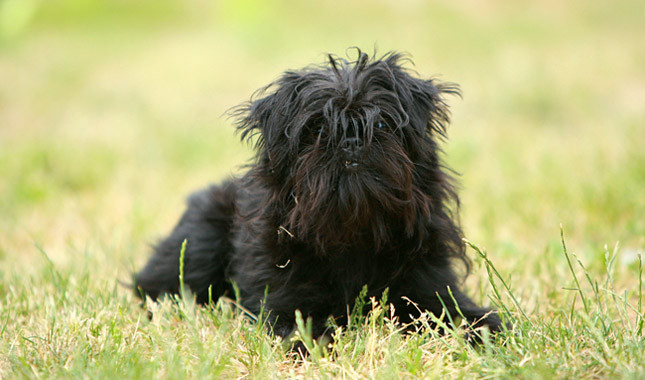
The Cantabrian Water Dog is a rustic, medium-sized, and athletic water dog. Males typically weigh between 15-23 kg (33-51 lbs), while females weigh 12-20 kg (26-44 lbs). In terms of height, males stand at 42-50 cm (16.5-19.7 inches), and females at 40-47 cm (15.7-18.5 inches). This breed's build is designed for agility and endurance, making it well-suited for its historical roles in water work.
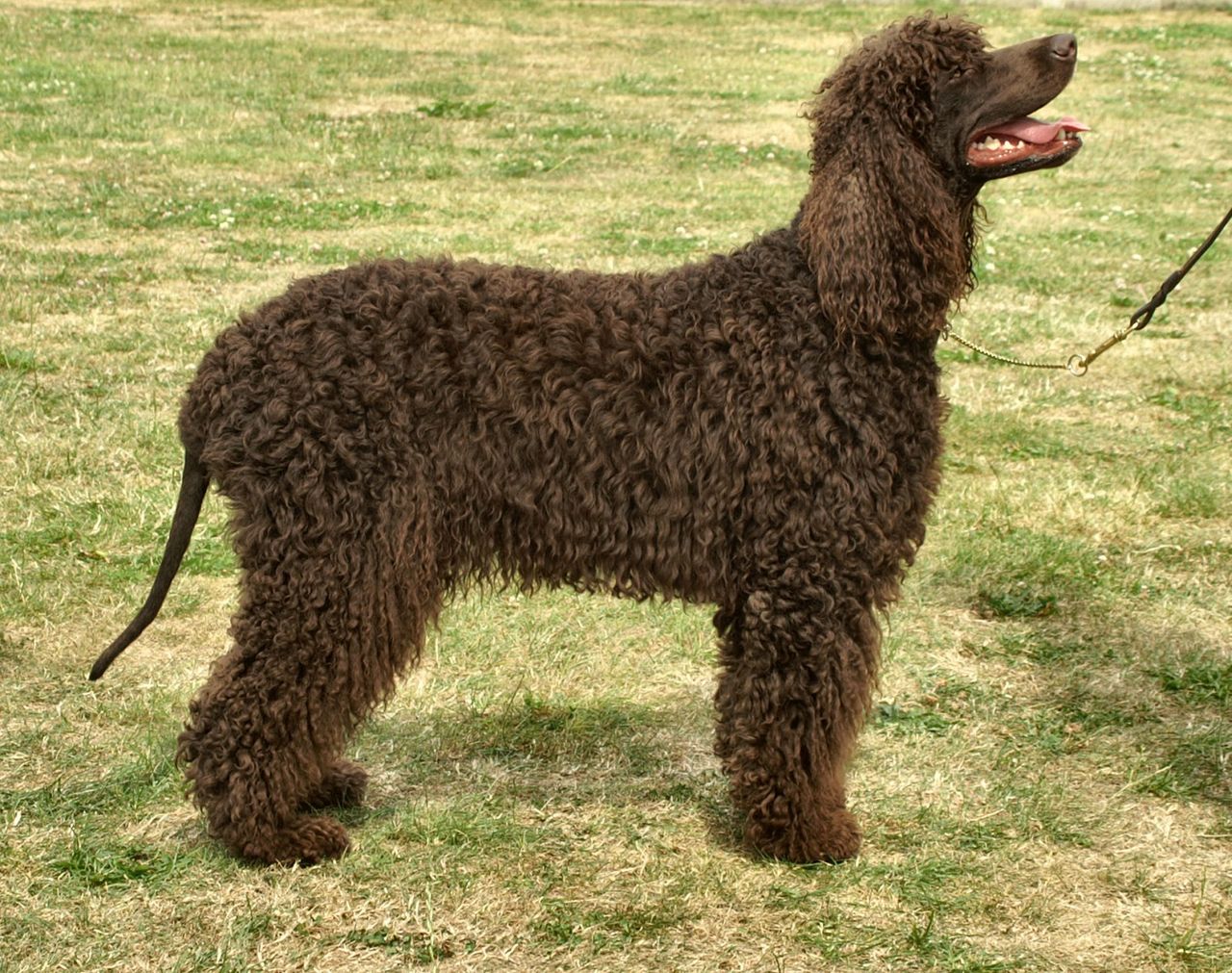
This breed is characterized by its curly, woolly, and waterproof coat, which is predominantly white. The coat is dense and provides insulation against cold water, a crucial trait for a dog that spends much of its time in and around the sea.
Temperament and Personality
The Cantabrian Water Dog is known for its loyal and work-focused nature. It is intelligent and energetic, making it an excellent choice for individuals or families seeking a dog that can engage in various activities. This breed's alertness and devotion are traits that make it well-suited for its historical roles in fishing and water work. For example, its ability to be a lifeguard stems from its natural swimming abilities and strong sense of duty.
It is also worth mentioning that the breed is not hypoallergenic, which may be a consideration for individuals with allergies. However, many owners report that the breed's coat does not cause severe allergic reactions, making it a viable option for those with mild sensitivities.
Health and Genetics
The Cantabrian Water Dog exhibits a clear morphological and genetic differentiation, which sets it apart from other dog populations in the same geographic area. This breed is genetically closely related to the Spanish Water Dog, the Barbet, and the Caniche, but it is distinct in terms of size and weight. These genetic connections suggest a shared heritage and a common set of traits that are beneficial for water work.
While specific health conditions are not commonly mentioned, owners should monitor for signs of any genetic predispositions that may be inherited from its related breeds. For instance, the Spanish Water Dog is known to be prone to certain hereditary eye disorders, and the Barbet may be susceptible to hip dysplasia.
Training and Exercise
This breed responds well to positive reinforcement training methods, which should be used to encourage good behavior and teach new skills. Training should be consistent and patient, as the Cantabrian Water Dog is intelligent and may require time to understand complex commands.
This could include engaging in activities that stimulate its mind, such as puzzle toys and training exercises. These exercises not only provide mental stimulation but also help to reinforce training and build a strong bond between the dog and its owner. The Cantabrian Water Dog's natural athleticism makes it well-suited for agility training and other physically demanding activities.
Lifestyle and Compatibility
The Cantabrian Water Dog is best suited for active individuals or families who can provide it with the mental and physical stimulation it needs. Its loyalty and work ethic make it an excellent companion for those interested in outdoor activities, such as fishing, water sports, and hiking.
Given its history as a working dog, the Cantabrian Water Dog may not be the best choice for those seeking a laid-back pet.
Breeding and Registry
Breeding the Cantabrian Water Dog is a meticulous process that requires a deep understanding of the breed's genetics and characteristics. The breed is registered with the Real Sociedad Canina de España, which monitors the breed's population and ensures that breeding practices adhere to the breed standard. Breeders must adhere to strict guidelines to maintain the breed's health and integrity.
The registry history of the Cantabrian Water Dog is relatively short, but it has seen steady growth since its official recognition in 2012. The registry also serves as a resource for potential owners, providing information about the breed's history, characteristics, and health considerations.
Buying and Owning a Cantabrian Water Dog
While the breed is not widely recognized, there are breeders who specialize in the Cantabrian Water Dog and are dedicated to preserving its unique qualities.
- Research reputable breeders: Look for breeders who are members of recognized kennel clubs and have a history of producing healthy, well-adjusted dogs.
Frequently Asked Questions
What is the lifespan of the Cantabrian Water Dog?
The average lifespan of the Cantabrian Water Dog is about 12-14 years. Good nutrition and regular veterinary care support a healthy life.
What is the temperament of the Cantabrian Water Dog?
The Cantabrian Water Dog is known for: Loyal, Intelligent, Work-focused, Energetic, Alert, Devoted. Its energy level is high.
What size and weight is the Cantabrian Water Dog?
It is a large dog, typically around Male: 15-23; Female: 12-20 kg as an adult.
Is the Cantabrian Water Dog easy to care for?
Reliable grooming and shedding ratings are not available. Routine brushing, ear and dental care, and nail trims are still recommended.
Is the Cantabrian Water Dog good with kids and other pets?
Reliable child- and pet-friendliness ratings are not available. Supervised, gradual introductions are recommended.
How much exercise does the Cantabrian Water Dog need?
With a high energy level, it needs walks, play or training matched to its stamina.
Cantabrian Water Dog
Trait Scores
N/A