Origin and History
The Cane Paratore, also known as the Cane Toccatore, is a breed of herding dog that originated in the Piedmont Alps of Italy. Its name, derived from the Italian dialect, translates to "to stand in front" or "to touch," reflecting its role in farming practices as a herding dog that moves livestock through less aggressive methods. This breed has its roots in Abruzzo, its historical region of origin, and has not gained popularity outside of its traditional role. A genetic study in 2018 revealed that the Cane Paratore, along with four other Italian herding breeds, descended from a broadly distributed European herding dog that also gave rise to the German Shepherd Dog and the French Berger Picard.
This study also found that the Cane Paratore's ancestors are believed to have been selectively bred for their ability to work independently in challenging mountainous terrain. The breed's historical role as a herding dog was crucial in the agricultural society of Abruzzo, where their intelligence and agility were invaluable. The Cane Paratore was often seen as a symbol of the region's rural heritage. Historically, Cane Paratore dogs were fed a simple diet based on shepherds' meals, including bran, whey, stale bread, and meal leftovers. This diet, along with their wolf ancestry, has contributed to their generally healthy immune system. The breed's diet has also been a factor in maintaining their low allergen levels, making them suitable for people with allergies.
Physical Characteristics
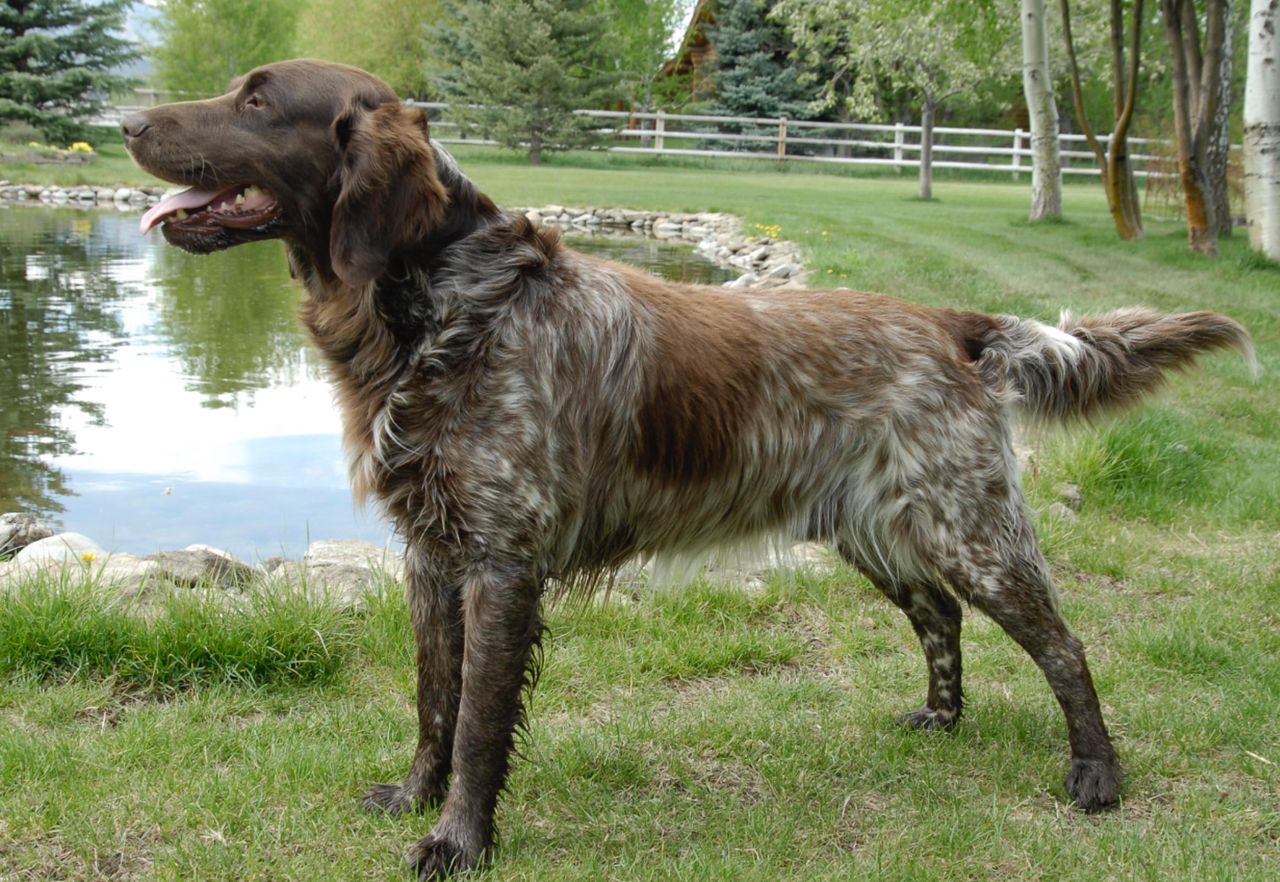
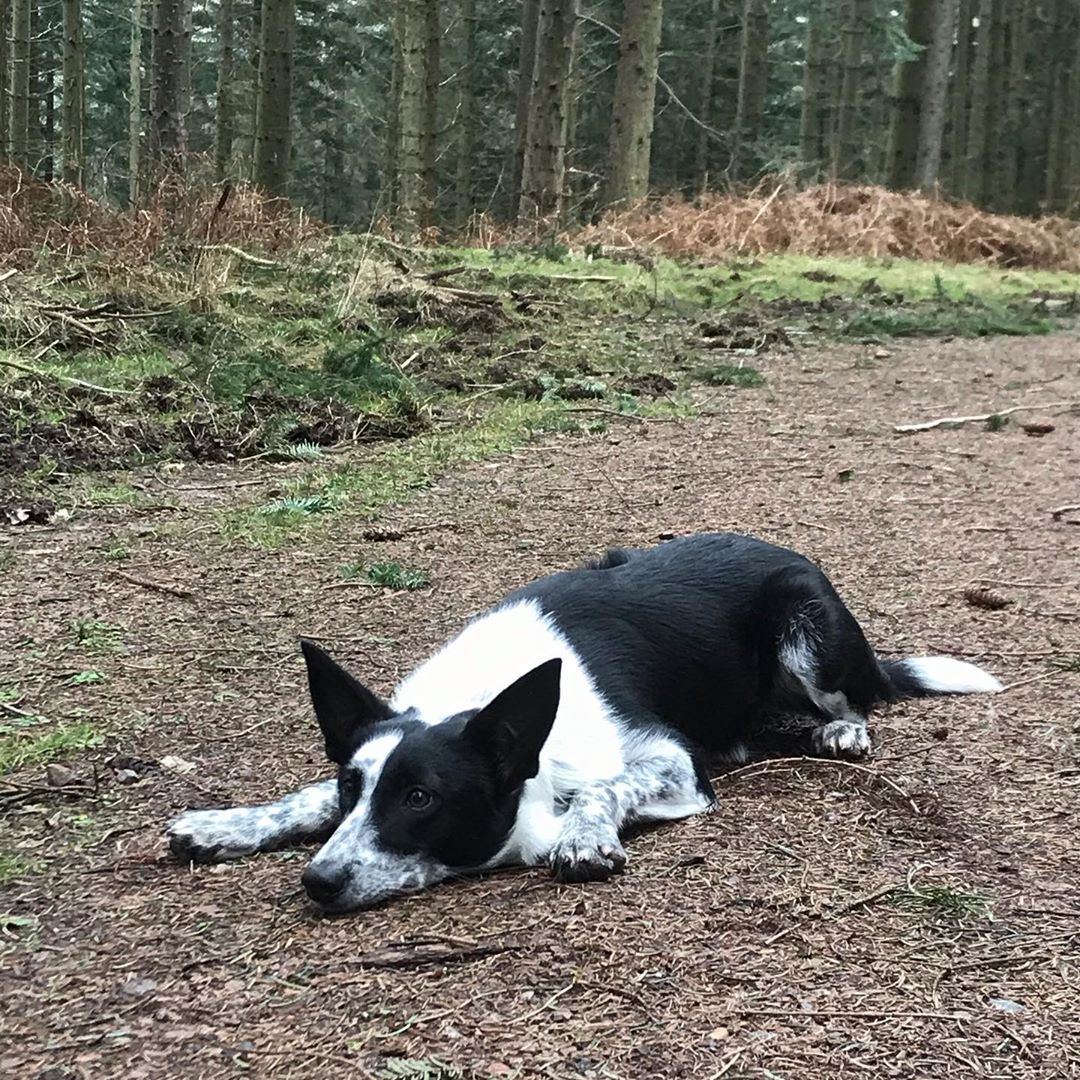
The Cane Paratore is a robust, medium-sized breed, with adult dogs typically weighing between 18-30 kg for males and 18-25 kg for females. Their shoulder lengths range from 47-55 cm for males and 45-53 cm for females. The breed has a wolf-like appearance, featuring a wide head, erect or semi-erect ears, and a thick coat that can vary in length from short to semi-long. The coat color can be agouti, sable, grey brindle, leopard (merle), black, or tan with a black mask. This breed is known for its agility, intelligence, and typically merle coat, which contributes to its athletic build and herding instincts. The Cane Paratore is a swiftly maturing, defensive species that exhibits remarkable levels of adaptability and endurance in various settings, making it well-suited for its traditional role in managing livestock in mountainous terrain.
Temperament and Traits
The Cane Paratore is characterized by its intelligent, energetic, loyal, and protective nature. This breed is work-focused and alert, making it an excellent choice for individuals or families looking for a herding dog with a strong work ethic. Despite its protective qualities, the Cane Paratore is not particularly friendly towards strangers, which is a trait that can be beneficial in a working environment. This breed is also known for its strong bond with its owners, often displaying a willingness to please and learn, making them highly trainable.
Health Considerations
While generally healthy, the Cane Paratore is prone to certain conditions such as osteodystrophy, spinocerebellar ataxia, and Legg-Calve-Perthes disease. Osteodystrophy is a disorder that affects the growth plates of long bones, which can lead to pain and lameness in affected dogs. Spinocerebellar ataxia is a neurological disorder that causes coordination problems and can lead to difficulty with walking. Legg-Calve-Perthes disease is a condition that affects the hip joint, leading to pain and arthritis. Local anecdotal evidence suggests that the Cane Paratore has a strong immune system, potentially inherited from its wolf ancestry.
Conservation and Current Status
The Cane Paratore is a rare breed that is largely unknown outside of Italy. Efforts are being made in Italy to conserve its bloodlines, particularly as its numbers have declined due to changes in farming techniques. The Fédération Cynologique Internationale (FCI) does not recognize the breed, but enthusiasts in Abruzzo and nearby areas are dedicated to maintaining its presence. The breed's registry, the Associazione Cani Paratore, was established in 2000 to promote the breed and ensure the quality of its dogs. The small gene pool of the Cane Paratore has resulted in occasional natural crossbreeding with wild wolves, which local conservationists consider a way to preserve genetic diversity. This crossbreeding is a concern for some, but it is also seen as a positive aspect by those who believe it contributes to the breed's resilience and adaptability. The breed's conservation status remains vulnerable, with fewer than 500 registered Cane Paratore dogs worldwide as of 2021.
Breed Standards and Registry
The Cane Paratore breed standard, as set by the Associazione Cani Paratore, outlines specific physical and behavioral traits that define the breed. The standard includes detailed descriptions of the dog's appearance, including head shape, ear type, coat texture, and color. The standard also emphasizes the breed's temperament, requiring dogs to be intelligent, alert, and willing to work. The registry maintains strict criteria for registration, ensuring that only dogs that meet the breed standard are recognized. Potential owners are advised to consult the registry for the most up-to-date information on breed standards and registration procedures. The registry plays a crucial role in preserving the breed's genetic integrity and maintaining its unique characteristics.
Buying a Cane Paratore
Here is a checklist to help you make an informed decision:
- Ensure the breeder is a member of a recognized kennel club or organization in Italy, such as the Associazione Cani Paratore.
- Ask for health clearances and genetic testing results for potential health issues, including hip dysplasia, elbow dysplasia, and degenerative myelopathy.
- Visit the breeder's facility to see the living conditions and the overall health of the dogs. Look for clean, well-maintained facilities with access to exercise areas.
- Meet the parents of the puppy to assess their temperament and behavior. The parents should exhibit the breed's characteristics and be well-tempered.
- Ask about the puppy's diet and exercise routine to ensure a smooth transition to your home.
- Request references from previous buyers and inquire about the breeder's reputation in the community.
Matching Your Household
Here are some factors to consider when determining if a Cane Paratore is the right fit for your household:
- Do you have a large yard or access to open spaces for exercise? The Cane Paratore requires ample space to roam and exercise, ideally in a rural or suburban setting.
- Are you willing to commit to regular training and socialization? This breed is intelligent and responds well to training, but it also requires consistent socialization to prevent behavioral issues.
- Do you have the time and energy to provide the necessary exercise and attention? The Cane Paratore is an active breed that requires daily exercise and mental stimulation.
- Are you looking for a dog that can be a working partner or a loyal companion? This breed excels in both roles and can be a great addition to a family or working farm.
By considering these factors, you can ensure that a Cane Paratore will be a happy and healthy addition to your home. The breed's unique combination of intelligence, loyalty, and work ethic makes it a special choice for those who are committed to providing the proper care and environment for this remarkable dog.
Frequently Asked Questions
What is the lifespan of the Cane Paratore?
The average lifespan of the Cane Paratore is about 10-15 years. Good nutrition and regular veterinary care support a healthy life.
What is the temperament of the Cane Paratore?
The Cane Paratore is known for: Intelligent, Energetic, Loyal, Protective, Work-focused, Alert. Its energy level is high.
What size and weight is the Cane Paratore?
It is a large dog, typically around Male: 18-30; Female: 18-25 kg as an adult.
Is the Cane Paratore easy to care for?
Reliable grooming and shedding ratings are not available. Routine brushing, ear and dental care, and nail trims are still recommended.
Is the Cane Paratore good with kids and other pets?
Reliable child- and pet-friendliness ratings are not available. Supervised, gradual introductions are recommended.
How much exercise does the Cane Paratore need?
With a high energy level, it needs walks, play or training matched to its stamina.
Cane Paratore
Trait Scores
N/A