Origins and History
The Canadian Eskimo Dog, also known as the Canadian Inuit Dog, is an Arctic breed with roots tracing back 12,000 years to the first humans who crossed the Bering Strait. The breed's heritage is closely tied to the Thule people, who arrived in the Arctic around AD 1000, and their reliance on dogs for transportation from Siberia. Despite their geographic isolation, the Canadian Eskimo Dog and the Greenland Dog are considered the same breed due to their genetic similarity. However, their numbers have drastically declined, with only an estimated 300 purebred dogs remaining in 2008.
The breed played a vital role in the daily life of the Inuit, serving as multi-purpose dogs for hunting, transportation, and as a food source during times of scarcity. The Inuit valued their Canadian Eskimo Dogs not just as companions but as integral tools for survival in the harsh Arctic climate. Despite this, the breed faced significant threats in the 20th century, including controversy surrounding the Royal Canadian Mounted Police's alleged intentional killings of Inuit sled dogs between 1950 and 1970.
The breed's status as a working dog was vital for its survival. It was highly valued for its endurance in sledding and hunting, and its thick double coat and imposing stature were well-suited for the extreme conditions of the Canadian Arctic. The breed was also recognized by both the American Kennel Club and the Canadian Kennel Club, although the AKC dropped the breed from its registry in 1959 due to the breed's declining numbers.
Appearance
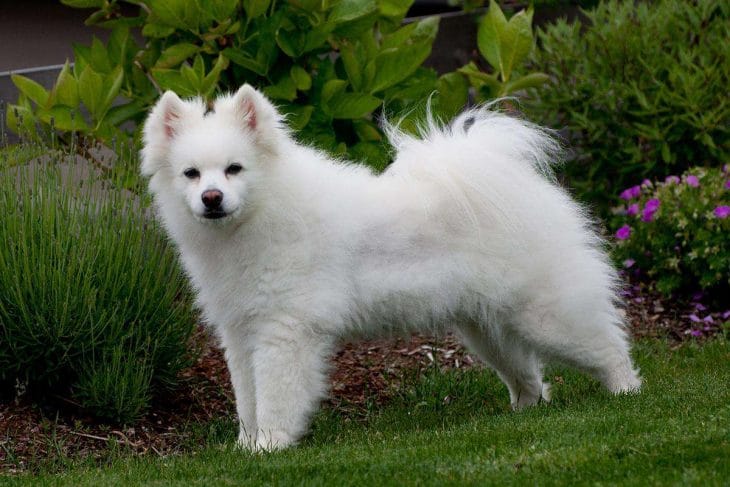
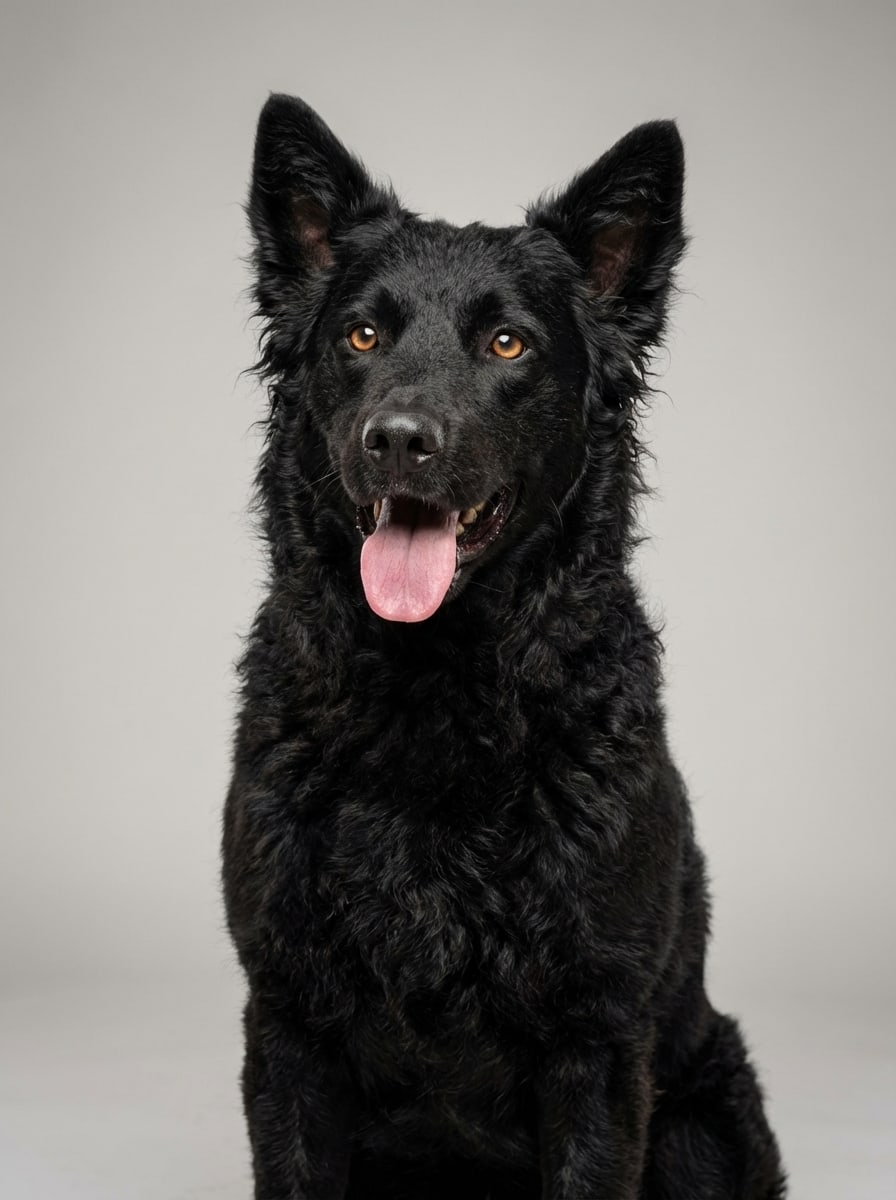
The Canadian Eskimo Dog is a powerful, Spitz-type working dog known for its imposing stature and thick double coat. Males typically weigh between 30 to 40 kilograms (66 to 88 pounds) and stand 58 to 70 centimeters (23 to 28 inches) at the shoulder, while females weigh 18 to 30 kilograms (40 to 66 pounds) and stand 50 to 60 centimeters (20 to 24 inches) at the shoulder. Their appearance is one of strength and endurance, with males displaying a more pronounced masculine build than females.
The breed has erect, triangular ears and a heavily feathered tail carried over its back. This tail, often described as impressive, is a defining feature of the breed and adds to its overall athletic build. The coat is dense and thick, featuring a soft undercoat and stiff guard hairs, with a mane of thick fur around the neck, particularly pronounced in males.
Common colors include solid white, white with patches of another color, solid silver, or black. Many dogs have mask-like markings on the face, and some may also have white socks and nose stripes. This variation in color and pattern reflects the breed's adaptability and the diverse environments in which they have historically lived.
Temperament and Personality
Temperamentally, the Canadian Eskimo Dog is a breed of alert, loyal, intelligent, and courageous dogs. This breed develops a deep bond with its owner and is intensely loyal, which makes them excellent companions for those seeking a dedicated and protective pet.
Despite their work-focused nature, Canadian Eskimo Dogs are also affectionate and gentle. However, due to their original environment and strong prey drive, they may exhibit stronger hunting instincts than some other breeds. Their affinity for cold weather is evident, often preferring to sleep outside during winter. Like most Spitz breeds, they are vocal and may howl, particularly in response to the approach of wolves, which they will not pursue.
Historically, the Inuit trained their Canadian Eskimo Dogs from a young age, placing pups as young as two months with adult dogs to learn sled pulling and hunting skills. This early training, often involving beatings to encourage compliance, reflects the breed's resilience and adaptability, as well as the importance of their working skills in the Arctic environment.
Breed Maintenance and Care
Their high energy level means they require daily exercise and mental stimulation to stay healthy and happy.
While not commonly mentioned, owners should be aware of the potential for hip dysplasia and other skeletal issues, as well as potential eye and skin conditions.
Training is a crucial aspect of maintaining a Canadian Eskimo Dog. Their intelligence and trainability make them responsive to positive reinforcement-based training methods. Socialization from a young age is also important to ensure they grow into well-rounded, confident dogs.
Breed Status and Conservation Efforts
The Canadian Eskimo Dog is currently listed as threatened with extinction, a status that underscores the critical need for conservation efforts. The breed's low numbers, coupled with the challenges posed by the changing environment and human activities, make it a priority for breeders and conservation organizations.
Efforts to preserve the breed include breeding programs aimed at increasing their population and maintaining genetic diversity. The Eskimo Dog Research Foundation, established in 1972, played a significant role in rescuing and breeding the dogs from remote Inuit camps. Additionally, individual breeders like Brian Ladoon have contributed to the breed's survival by establishing genetic stock colonies.
Legislation and public awareness are also crucial components of conservation efforts. For instance, the requirement for polar bear hunting to be conducted by dog team or on foot in the Northwest Territories and Nunavut serves to preserve traditional hunting practices and the use of the breed. The annual Ivakkak sled dog race further promotes traditional dog sledding and the Canadian Eskimo Dog.
Living with a Canadian Eskimo Dog
Living with a Canadian Eskimo Dog requires an understanding of their unique needs and traits. Their large size and high energy level make them best suited for families or individuals who have the space and time to provide adequate exercise and mental stimulation.
When considering adding a Canadian Eskimo Dog to your home, it's essential to consider the breed's historical role and current conservation status. The decision to adopt a Canadian Eskimo Dog should be made with a commitment to their well-being, including providing for their specific care requirements and contributing to the breed's future through responsible ownership.
Frequently Asked Questions
What is the lifespan of the Canadian Eskimo Dog?
The average lifespan of the Canadian Eskimo Dog is about 10-15 years. Good nutrition and regular veterinary care support a healthy life.
What is the temperament of the Canadian Eskimo Dog?
The Canadian Eskimo Dog is known for: Alert, Loyal, Intelligent, Courageous, Independent, Work-focused. Its energy level is moderate.
What size and weight is the Canadian Eskimo Dog?
It is a large dog, typically around Male: 30-40; Female: 18-30 kg as an adult.
Is the Canadian Eskimo Dog easy to care for?
Reliable grooming and shedding ratings are not available. Routine brushing, ear and dental care, and nail trims are still recommended.
Is the Canadian Eskimo Dog good with kids and other pets?
Reliable child- and pet-friendliness ratings are not available. Supervised, gradual introductions are recommended.
How much exercise does the Canadian Eskimo Dog need?
With a moderate energy level, it needs walks, play or training matched to its stamina.
Canadian Eskimo Dog
Trait Scores
N/A