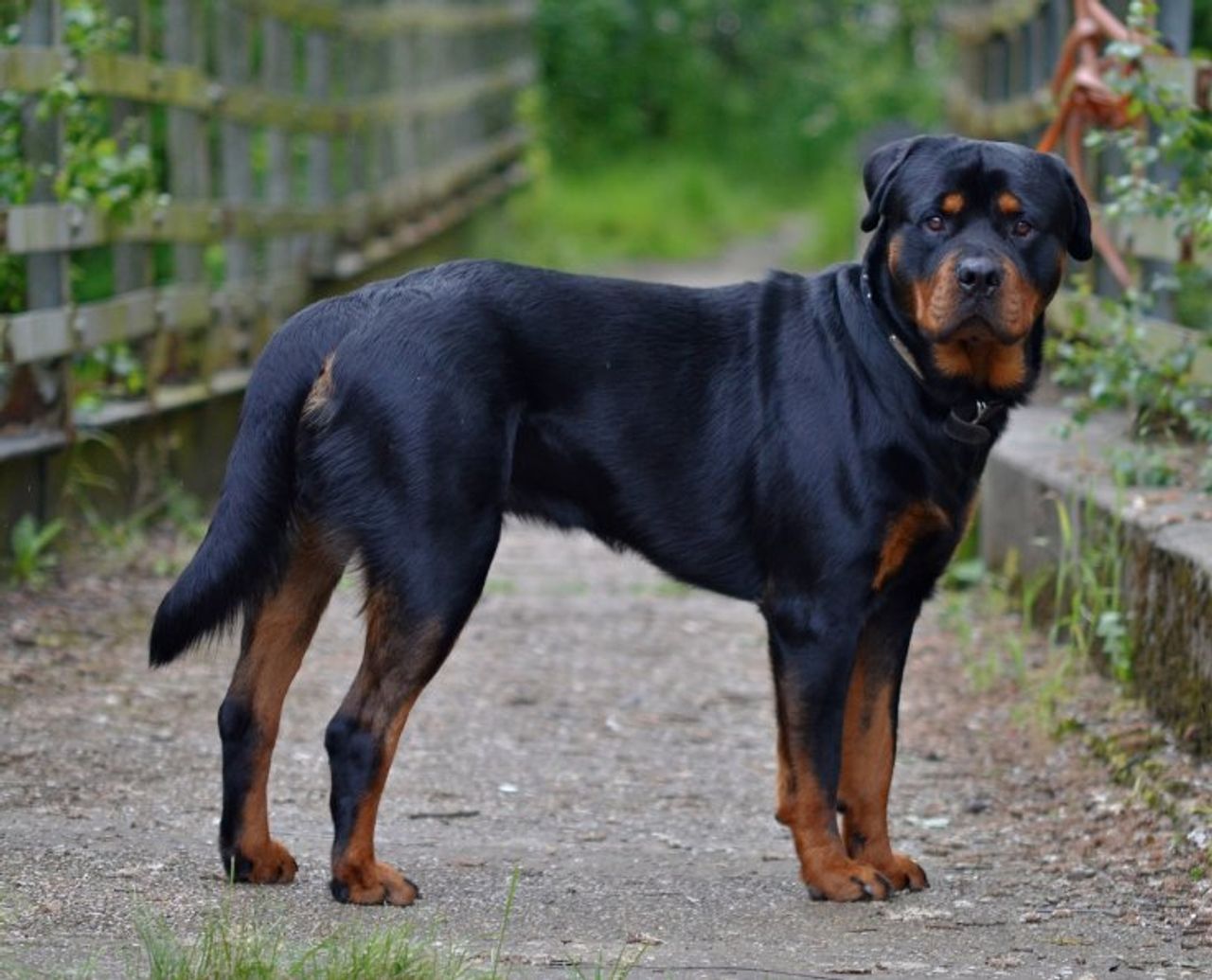
Origin and History
The Ca de Bou, also known as the Perro de Presa Mallorquín, hails from the island of Mallorca in the Balearic Islands, Spain. This breed has a rich history that dates back to the period of Catalan influence over Mallorca between 1270 and 1570 AD, where it was developed from mastiff-type dogs used for controlling cattle. By the 18th century, the Ca de Bou was favored for bull-baiting and dog fighting, renowned for its ferocity and bravery. The breed nearly became extinct in the 20th century due to the outlawing of these activities, but enthusiasts from mainland Spain saved it, leading to its recognition by the Real Sociedad Canina de España and its definitive acceptance by the Fédération Cynologique Internationale in 1963. The breed's history is closely tied to the cultural practices of the island, which include traditional bullfighting events and rural livestock herding.
The first breed standard was established in 1932, outlining specific characteristics such as the breed's size, coat color, and temperament. In 2026, the Ca de Bou was listed among the sixteen Spanish breeds considered vulnerable by the Real Sociedad Canina de España, reflecting its endangered status due to factors such as limited breeding programs and the decline of its traditional role.
Breed Description
The Ca de Bou is a medium-sized, powerful Molosser-type breed with a distinctive muscular build and an alert expression. Males typically stand between 55 and 58 centimeters (22 and 23 inches) and weigh between 35 and 38 kilograms (77 and 84 pounds), while females stand between 52 and 55 centimeters (20 and 22 inches) and weigh between 30 and 34 kilograms (66 and 75 pounds). The breed's head is large with a broad and powerful jaw, well-suited for gripping a bull or another dog in the fighting pit. This physical structure has been selectively preserved in the breed standard to maintain its historical purpose.
Life expectancy for the Ca de Bou is typically 10 to 12 years, which is considered average for a medium-sized dog. The breed has been selectively bred for the show ring, which has softened its temperament, making it more biddable and affectionate while retaining its tenacity and alertness. This has also led to a more balanced representation of the breed in various contexts, from working dogs to family pets.
Temperament and Character
The Ca de Bou is known for its calm yet courageous demeanor, making it a loyal and protective companion. This breed is confident and has a natural protective instinct, which is a result of its historical role in bull-baiting and dog fighting. Despite the breed's historical aggression, selective breeding has led to a more docile nature, and they are now generally affectionate and biddable, especially towards their owners and familiar surroundings. This temperament shift has been a significant development since the breed's recognition by the Fédération Cynologique Internationale in 1963.
However, the Ca de Bou may not be the best choice for those seeking a dog with high energy levels, as they have a low energy requirement. They are also not particularly friendly towards strangers, which is a trait that has been maintained from their working past and is a reflection of their protective nature. Potential owners should be aware of this behavior and provide socialization from an early age to help manage this aspect of the breed's temperament.
Health Considerations
While the Ca de Bou is generally a healthy breed, like all dogs, they can be prone to certain health issues. Owners should be aware of potential problems such as hip dysplasia, which can cause difficulty in movement and can be particularly problematic in breeds with a large bone structure like the Ca de Bou. The condition often becomes apparent in middle age and can be managed with proper veterinary care, including diet and exercise.
Additionally, the Ca de Bou may be susceptible to elbow dysplasia, which can lead to lameness and discomfort. This condition occurs when the three bones of the elbow do not fit together perfectly, and it is another genetic condition that may be present in the breed.
The breed may also be susceptible to bloat, a life-threatening condition that requires immediate veterinary attention. Bloat occurs when gas builds up in the stomach, causing it to twist. This condition can be caused by a variety of factors, including overeating, exercise after eating, and conformational issues. Feeding smaller, more frequent meals and avoiding exercise immediately after eating can help reduce the risk of bloat.
Coat and Grooming
The coat is typically brindle, fawn, or black in color, and it sheds at a medium level. Regular brushing can help manage shedding and keep the coat healthy, preventing matting and tangles. The breed's coat is short and rough, requiring minimal grooming aside from occasional bathing to remove dirt and loose fur.
Training and Exercise
The Ca de Bou is a medium trainability dog, which means that they respond well to training but may require consistent and patient handling. They are intelligent and capable of learning, but their natural protective instincts can sometimes make training more challenging.
Due to their low energy levels, the Ca de Bou does not require excessive exercise. They enjoy activities that allow them to use their natural protective instincts, such as agility training or obedience classes.
Living with a Ca de Bou
They are best suited for experienced dog owners who can provide a stable and consistent environment. The Ca de Bou's protective nature makes them excellent guard dogs, but this also requires a confident handler who can manage the dog's behavior appropriately. The breed may not be suitable for first-time dog owners due to their potential for dominant behavior and the need for structured training.
Given their size and strength, the Ca de Bou may not be the best choice for small living spaces. They require a secure yard for exercise and a home that can accommodate their size. The breed is also known for their love of the outdoors, so a house with a garden or access to a park would be ideal. The Ca de Bou's protective instincts may also require careful consideration if they are to live with small children, as the breed can be overly protective and may inadvertently become over-protective.
Buying a Ca de Bou
- Ensure the breeder is reputable and has a good track record with the breed.
- Ask about the dog's health history and any known genetic conditions, such as hip and elbow dysplasia. A breeder should be transparent about the health of their dogs and should have the necessary veterinary documentation.
- Observe the dog's temperament and behavior to ensure it is well-suited to your lifestyle. The Ca de Bou's protective nature and low energy levels should be considered, as well as the breed's potential for dominance.
- Consider the long-term commitment of owning a Ca de Bou, including grooming, training, and veterinary care. The breed's coat requires regular maintenance, and training can be a significant investment of time and resources.
- Check the dog's registration with the Real Sociedad Canina de España or the Fédération Cynologique Internationale to ensure that the dog meets the breed standards and is not a mixed-breed.
- Visit the puppy's place of birth to assess the conditions in which the puppy was raised. A good breeder will prioritize the health and well-being of their dogs and will provide a clean, safe environment for the puppies.
Understanding the breed's history, temperament, and care requirements can help potential owners make an informed decision and provide a loving home for a Ca de Bou. The breed's unique combination of loyalty, strength, and intelligence makes them a rewarding companion for those who are prepared to meet the breed's specific needs.
Frequently Asked Questions
What is the lifespan of the Ca de Bou?
The average lifespan of the Ca de Bou is about 10-12 years. Good nutrition and regular veterinary care support a healthy life.
What is the temperament of the Ca de Bou?
The Ca de Bou is known for: Calm, Courageous, Loyal, Confident, Protective. Its energy level is low.
What size and weight is the Ca de Bou?
It is a large dog, typically around Male: 35-38; Female: 30-34 kg as an adult.
Is the Ca de Bou easy to care for?
Reliable grooming and shedding ratings are not available. Routine brushing, ear and dental care, and nail trims are still recommended.
Is the Ca de Bou good with kids and other pets?
Reliable child- and pet-friendliness ratings are not available. Supervised, gradual introductions are recommended.
How much exercise does the Ca de Bou need?
With a low energy level, it needs walks, play or training matched to its stamina.
Ca de Bou
Trait Scores
N/A