Origin and Historical Background
The Bắc Hà dog, known in Vietnamese as chó Bắc Hà, hails from the mountainous regions of northern Vietnam, specifically the Bắc Hà District in Lào Cai Province. This breed is one of Vietnam's Four Great National Dogs and is primarily used as a hunter and guard dog by the Hmong people in the Bắc Hà and Si Ma Cai districts of Lào Cai province.
The history of the Bắc Hà dog is somewhat speculative, but it is believed to be descended from heavier-coated mountain dogs of southern China. These dogs accompanied the Hmong during their migration to Vietnam. The Hmong people, who originated near the Yellow River region of China, faced persecution and genocide by the Qing dynasty in the eighteenth and nineteenth centuries, prompting their flight to the mountains of northern Vietnam.
According to Hmong legend, a dhole mated with female dogs in Lào Cai, producing puppies with red fur and especially wild and fierce temperaments, which were the first Bắc Hà dogs. In October 2020, a Bắc Hà dog named Sói won the Vietnamese Native Breeds Championship Dog Show, showcasing the breed's recognition and popularity in Vietnam. The dog show, held annually, serves as a platform for showcasing the unique characteristics of native Vietnamese breeds and has been instrumental in promoting the Bắc Hà dog.
Appearance and Physical Characteristics
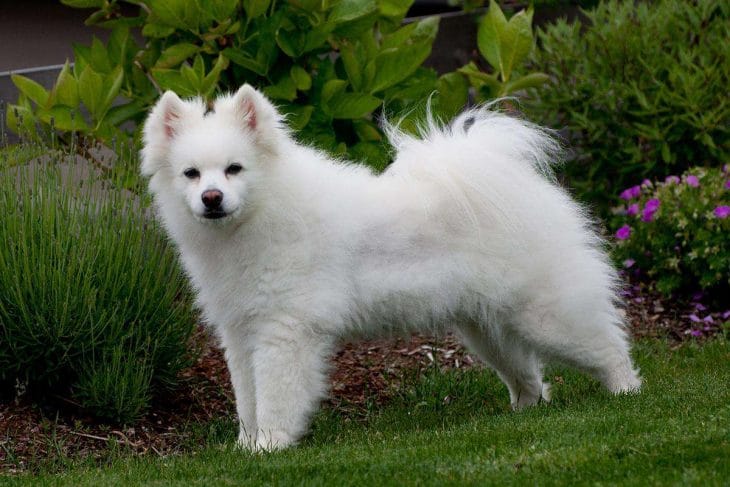
The Bắc Hà dog is a medium-sized spitz-type breed. Adult males stand at approximately 52-58 cm (20-23 inches) tall at the shoulder and weigh around 22-28 kg (49-62 lbs). Females are typically smaller, with a height of 50-56 cm (20-22 inches) and a weight of about 18-24 kg (40-53 lbs).
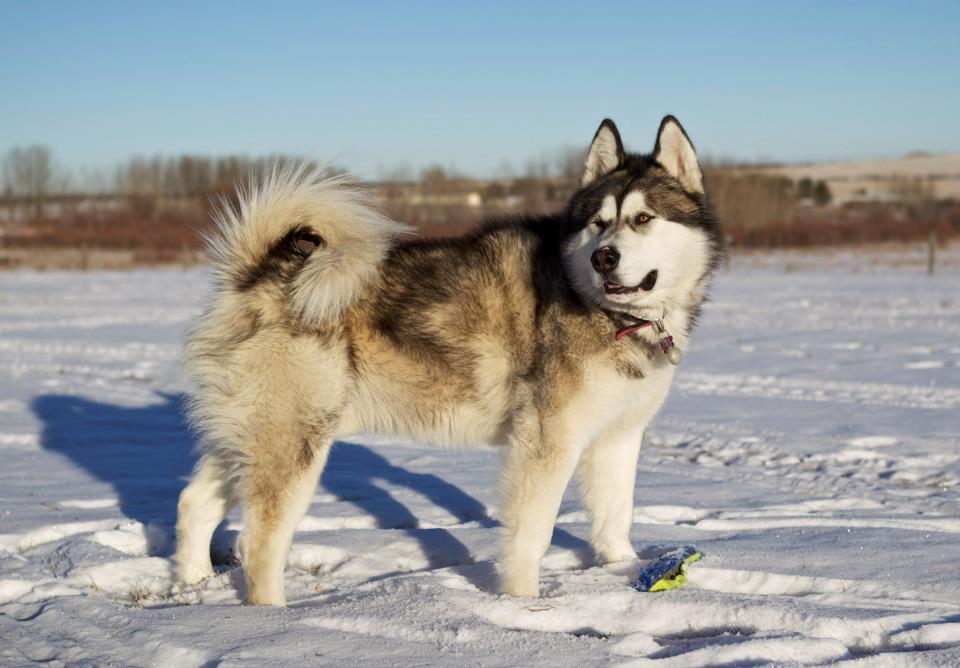
These dogs have a large, round skull and a flat and broad forehead. Their ears are triangular, facing downward and wide at the base. The eyes are almond-shaped, round, and have thick rims. The Bắc Hà dog is characterized by its dense double coat, which is usually yellow brown, dark brown, black, or white. The fur forms a distinctive mane around the neck and shoulders, and the tail is heavily feathered. The coat's texture can vary from soft to coarse, depending on the individual dog.
The coat's coloration is not standardized, but it is commonly observed that the dogs exhibit a mottled or patchy pattern, which adds to their unique appearance.
Temperament and Personality
The Bắc Hà dog is known for its alertness and loyalty. This breed is highly intelligent and quick to learn commands, making them trainable. Their protective nature is evident, as they fiercely guard their family members, particularly in the mountainous regions where they were originally used as hunters and guards.
Despite their protective nature, the Bắc Hà dog is not considered to be overly friendly with strangers, which may be attributed to their role as a guard dog. Their temperament is a mix of independence and loyalty, making them a versatile and adaptable breed. This temperament is also reflected in their training, where they respond well to positive reinforcement and firm but fair handling.
Breed Standard and Recognition
While the Bắc Hà dog is not recognized by the Fédération Cynologique Internationale (FCI), it is recognized by the Vietnam Kennel Association. This recognition reflects the breed's significance in Vietnam and its role as one of the country's national dogs. The Vietnam Kennel Association was established in 1959 and has been instrumental in promoting and preserving native Vietnamese breeds.
The breed standard emphasizes the spitz-type characteristics of the Bắc Hà, including its dense double coat, distinctive mane, and alert and loyal temperament. The standard also outlines the ideal size and weight for males and females, as well as the preferred coloration and coat texture.
Health Considerations
Owners should be vigilant about their dog's overall health and seek veterinary care promptly if any signs of illness are observed. Common health issues in dogs can include hip dysplasia, elbow dysplasia, and hypothyroidism.
Vaccinations, deworming, and preventative care against fleas and ticks are also essential aspects of their health maintenance. Owners should be aware of the breed's potential for hereditary conditions and be prepared to manage these proactively.
Life Span and Care
The average life span of a Bắc Hà dog is 12-15 years, which is typical for a medium-sized breed. However, individual health and lifestyle factors can influence longevity.
These dogs have a medium energy level and require an environment that can accommodate their active lifestyle. They also enjoy activities that challenge their intelligence, such as training and puzzle toys.
Buying and Owning a Bắc Hà Dog
When considering the purchase of a Bắc Hà dog, potential owners should be aware of the breed's specific characteristics and care requirements. Here is a checklist to consider:
- Ensure that the dog comes from a reputable breeder who is committed to the health and well-being of the breed. Reputable breeders often participate in dog shows and health screenings to ensure the quality of their dogs.
- Be prepared for the dog's moderate shedding and grooming needs.
- Understand the breed's loyalty and protective nature to ensure it fits well within your family and living situation. The Bắc Hà dog's protective instincts may require careful socialization to ensure they are not overly aggressive with strangers.
- Expect a life span of 12-15 years, and commit to providing ongoing care and veterinary care throughout the dog's life.
Frequently Asked Questions
What is the lifespan of the Bắc Hà?
The average lifespan of the Bắc Hà is about 12-15 years. Good nutrition and regular veterinary care support a healthy life.
What is the temperament of the Bắc Hà?
The Bắc Hà is known for: Alert, Loyal, Intelligent, Protective, Independent. Its energy level is moderate.
What size and weight is the Bắc Hà?
It is a large dog, typically around Male: 18-25; Female: 16-22 kg as an adult.
Is the Bắc Hà easy to care for?
Reliable grooming and shedding ratings are not available. Routine brushing, ear and dental care, and nail trims are still recommended.
Is the Bắc Hà good with kids and other pets?
Reliable child- and pet-friendliness ratings are not available. Supervised, gradual introductions are recommended.
How much exercise does the Bắc Hà need?
With a moderate energy level, it needs walks, play or training matched to its stamina.
Bắc Hà
Trait Scores
N/A