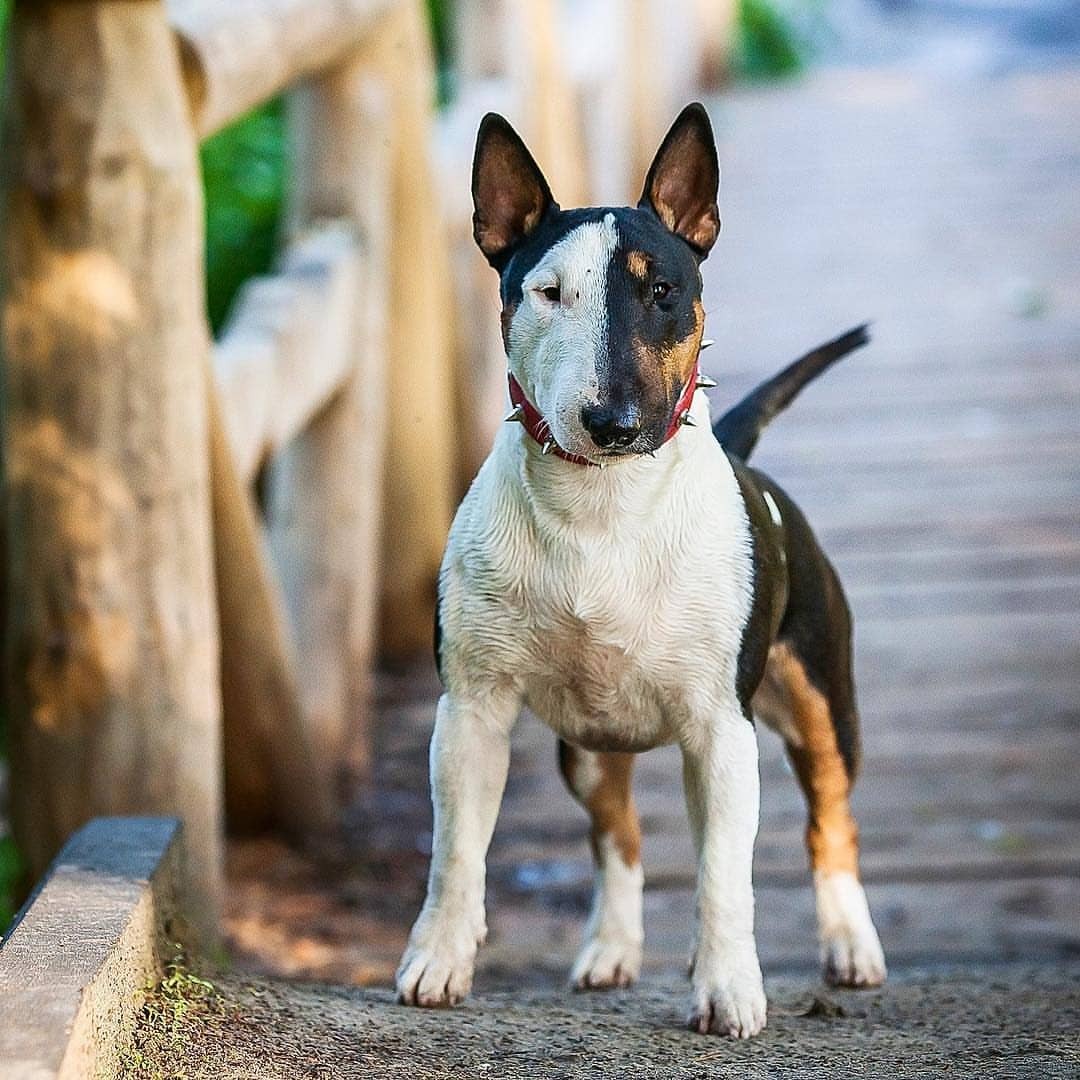
Origin and Development
The Bullmastiff, an English breed of dog, originated in the 19th century through cross-breeding the English Mastiff with the now-extinct Old English Bulldog. This cross-breeding aimed to create a guard dog capable of protecting estates, leading to the breed's nickname, 'The Gamekeeper's Night-Dog'. The Bullmastiff was first developed on large estates in England, where they were used to protect valuable game and property from poachers.
Recognized by The Kennel Club in 1924, the Bullmastiff was initially bred for strength, size, and speed, combining the tough and aggressive traits of the Bulldog with the large and strong characteristics of the Mastiff. This combination was crucial for the breed's ability to silently track poachers at night and then confront them when necessary. The breed's recognition was further solidified by the American Kennel Club in 1934 and the Fédération Cynologique Internationale in 1955, marking its acceptance on a global scale.
In 1928, the De Beers diamond mining company imported Bullmastiffs to South Africa to guard their mines, showcasing the breed's versatility and protective nature. This event was particularly significant as it demonstrated the Bullmastiff's adaptability to different environments and its effectiveness in roles beyond traditional estate guarding.
Physical Characteristics
The Bullmastiff is a large dog with a solid build and a short muzzle. Males typically stand at 64-69 cm at the withers and weigh 50-59 kg, while females stand at 61-66 cm and weigh 45-54 kg. Their coat can be fawn, red, or brindle, with some limited white marking on the chest. This coat variety is a result of selective breeding to enhance both protection and aesthetics. The breed is brachycephalic, meaning they have a flat face and short muzzles, which does not hinder their breathing, despite common misconceptions. This adaptation is particularly important given the breed's origin in warm climates.
The Bullmastiff's short coat requires minimal grooming, making it a low-maintenance option for owners. Regular brushing helps to keep the coat in good condition and to remove loose hair, which is especially useful for families with allergies.
Temperament and Personality
Bullmastiffs are known for their loyal, protective, calm, courageous, affectionate, and confident nature. They are highly devoted to their families and can be quite reserved with strangers, making them excellent guard dogs. This temperament is a result of their history as estate guardians, where they needed to be both aggressive towards intruders and affectionate towards their human companions.
Despite their large size and protective nature, Bullmastiffs are generally calm and do not require excessive exercise. Their low energy level makes them suitable for families with a relaxed lifestyle, but they do enjoy regular walks and playtime.
Health Concerns
Health concerns within the Bullmastiff breed include hip and elbow dysplasia, affecting 24.5% and 13.8% of individuals, respectively. These conditions can lead to lameness and pain and often require veterinary intervention and possibly surgery. Progressive retinal atrophy, bloat, and cancer are also prevalent, with a relatively high incidence of lymphoma and mast cell tumors. Bullmastiffs are prone to certain hereditary diseases, including entropion and hypothyroidism, affecting 2.8% of individuals.
Progressive retinal atrophy is an autosomal dominant form common in the breed, caused by a mutation to the RHO gene. This genetic condition results in a gradual loss of vision and can be detected through genetic testing.
Bullmastiffs are also prone to ear infections, which can be managed with proper hygiene and veterinary care.
Lifespan and Longevity
A 2024 UK study found that the average life expectancy for the Bullmastiff breed is 10.2 years, compared to an average of 12.7 years for purebreds and 12 years for crossbreeds. This indicates that while the Bullmastiff is a robust breed, they may have a slightly shorter lifespan compared to other breeds. The shorter lifespan can be attributed to their large size and the health concerns associated with their breed.
Breed Standard and Registration
The Bullmastiff breed standard, established by The Kennel Club in 1924, requires dogs to have a minimum of four generations of descent from Bullmastiff stock without input from either Bulldog or Mastiff. This strict criterion ensures that the breed's purity and characteristics are maintained. Cross-bred animals are not eligible for registration, which helps preserve the genetic integrity of the breed.
The breed's recognition by various kennel clubs and organizations worldwide further solidifies its status as a distinct and respected breed. The Bullmastiff's breed standard has evolved over the years, with an emphasis on maintaining the breed's protective nature, physical health, and temperament.
Buying a Bullmastiff: What to Consider
Here is a checklist to help potential owners make an informed decision:
- Ensure you have the space for a large dog, as Bullmastiffs require ample room to move around and exercise.
- Be prepared for a low-maintenance coat that requires regular brushing to keep it healthy and free of mats.
- Understand the breed's protective nature and ensure you can provide a stable and consistent environment to help manage their tendency to be reserved with strangers.
- Consider the breed's lifespan and be prepared for a long-term commitment to a large, active, and loving dog.
- Invest in a reputable breeder who can provide health clearances and ensure the puppy comes from healthy parents.
- Be prepared for the cost of owning a Bullmastiff, including veterinary care, food, and proper training.
Investing in a reputable breeder and ensuring the puppy comes from healthy parents can significantly contribute to the Bullmastiff's overall well-being and happiness.
Frequently Asked Questions
What is the lifespan of the Bullmastiff?
The average lifespan of the Bullmastiff is about 7-9 years. Good nutrition and regular veterinary care support a healthy life.
What is the temperament of the Bullmastiff?
The Bullmastiff is known for: Loyal, Protective, Calm, Courageous, Affectionate, Confident. Its energy level is low.
What size and weight is the Bullmastiff?
It is a large dog, typically around Male: 50-59; Female: 45-54 kg as an adult.
Is the Bullmastiff easy to care for?
Reliable grooming and shedding ratings are not available. Routine brushing, ear and dental care, and nail trims are still recommended.
Is the Bullmastiff good with kids and other pets?
Reliable child- and pet-friendliness ratings are not available. Supervised, gradual introductions are recommended.
How much exercise does the Bullmastiff need?
With a low energy level, it needs walks, play or training matched to its stamina.
Bullmastiff
Trait Scores
N/A