Origin and Development
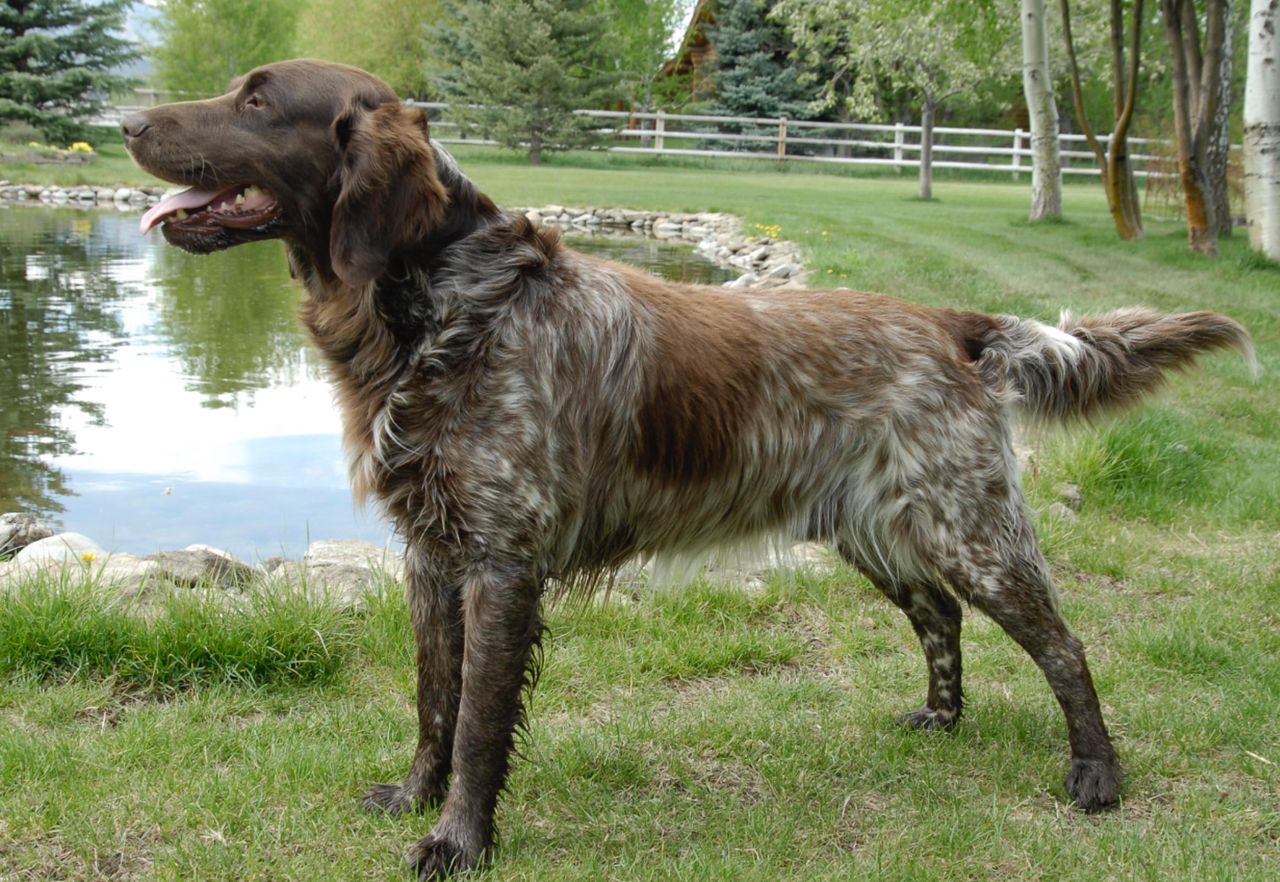
The Bull Arab breed originated in the 1970s in Queensland, Australia, with its development rooted in the need for a pig hunting dog. It was established through the crossing of 50% Bull Terrier, 25% Greyhound, and 25% German Shorthaired Pointer, combining their speed, strength, scenting ability, and trainability to create a versatile hunting companion.
Mike Errol Hodgens, the breeder who initiated the breed in 1972, faced numerous challenges, including animal seizures and disputes with authorities. Despite these hurdles, the breed found a niche among rural hunters, particularly in the regions of Queensland and New South Wales.
Following Hodgens' retirement from breeding in 1989, the development of the Bull Arab continued with other hunters and breeders in Queensland and New South Wales. They introduced additional breeds like Great Dane, Bloodhound, and Mastiff to enhance specific traits based on local hunting conditions, such as scenting ability, size, and strength.
This crossbreeding effort resulted in a diverse range of Bull Arab types, with some emphasizing scenting and others focusing on size and strength. The breed's adaptability and versatility made it suitable for various hunting environments across Australia.
Breed Standard and Appearance
The Australian Bull Arab Club of Australia (ABBA) has published a breed standard that defines the Bull Arab, emphasizing agility and endurance. The standard describes the ideal Bull Arab as having a symmetrical frame and a curved outline, with a muscular but not overly heavy build. Working scars are permitted during show evaluations, reflecting the breed's hunting heritage.
The standard dictates the ideal height and weight for males and females. Males should be 63–69 cm tall and weigh 32–42 kg, while females should be 61–66 cm tall and weigh 30–40 kg. Disqualifications exist for dogs outside these parameters, with such cases submitted for thorough evaluation by the ABBA for potential acceptance.
Bull Arabs that meet the breed standard and exhibit the "loyal, gentle, and sweet natures" described by the ABBA often become companion pets, despite their original hunting purpose. However, not all dogs referred to as Bull Arabs are recognized by the ABBA, which can affect their eligibility for shows and registrations.
The ABBA also provides a detailed coat and colour standard, specifying that the coat should be smooth and close lying, with a range of solid, patched, or mottled colors. The breed's appearance should reflect its strength, agility, and hunting heritage.
Temperament
According to the ABBA, the ideal temperament of the Bull Arab is "kind and loyal, balanced and placid nature, intelligent and independent, with strong drive and determination when worked and a busy work ethic.
The breed must not exhibit aggressive behavior towards other dogs or people.
The combination of loyalty, intelligence, and strong prey drive makes the Bull Arab a suitable choice for experienced dog owners who can provide the necessary training and exercise.
Use and Adaptations
The Bull Arab is primarily used as a pig hunting dog, thanks to their ability to locate, chase, and hold feral pigs. Their exceptional sense of smell allows them to detect pigs up to 4–6 kilometers away, making them invaluable in rural Australian landscapes where pigs can be a significant problem.
Following the development of the breed, hunters and breeders in different regions have tailored their lines to suit local conditions. In Queensland, breeders emphasized scenting ability by incorporating Bloodhound genetics. In contrast, those in New South Wales focused on size and strength for mountainous terrain through Mastiff blood.
This adaptability has led to the Bull Arab's versatility, allowing the breed to excel in various roles, from hunting to companionship.
As more Bull Arabs have been integrated into family homes, the breed's working background should not be overlooked.
Health and Genetics
The Bull Arab's genetics, derived from a combination of Bull Terrier, Greyhound, and German Shorthaired Pointer, have contributed to its athletic build and resilience. However, like any mixed breed, it's essential for owners to be aware of potential health issues that may arise from its diverse ancestry.
The breed has faced animal welfare challenges, with data from dog rescues and welfare organizations indicating that Bull Arab-type dogs are often bred irresponsibly, resulting in difficulty rehoming them in Queensland, where they are the third most common type taken in by the RSPCA.
While the reference text does not identify specific health conditions for the Bull Arab, the combination of its parent breeds suggests that conditions common to them may also affect Bull Arabs, such as skin allergies or joint problems.
Breed-Specific Legislation and Public Perception
The Bull Arab, along with Bull Arab-type crosses, has been subject to public perception regarding the risk of bites, influenced by stigma surrounding other "bully" breeds. However, despite some attacks attributed to Bull Arab-type dogs, no bites have been attributed to Bull Arabs specifically in the Sydney Children's Hospital study conducted between 2001 and 2011.
The RSPCA emphasizes that no scientific evidence supports the notion that certain dog breeds are inherently more dangerous. Rather, the responsibility lies with owners to ensure proper socialization, training, and care for their pets.
The perceived risks have led to some controversy and legislative discussions, though the breed's actual risk profile appears to align with that of other mixed breeds.
Buyer's Checklist and Cost Realism
- Check if the dog meets the ABBA breed standard to ensure true Bull Arab heritage.
- Be prepared for a dog with high energy levels and a strong prey drive, requiring consistent exercise and training.
- Expect to spend a significant amount on food, grooming, and regular vet check-ups due to the dog's large size and active lifestyle.
- Assess your home environment for the needs of an energetic, powerful, and potentially protective breed.
- Understand that while the initial purchase price may be a factor, the ongoing costs of ownership should also be considered when evaluating the feasibility of welcoming a Bull Arab into your home.
When considering a Bull Arab, potential owners must be prepared for the commitment that comes with owning a dog of this breed. Responsible ownership involves not only the financial investment but also the time and effort required to provide proper care, training, and socialization. This ensures that the Bull Arab can thrive as both a companion and a valued member of the family.
Frequently Asked Questions
What is the lifespan of the Bull Arab?
The average lifespan of the Bull Arab is about 12-15 years. Good nutrition and regular veterinary care support a healthy life.
What is the temperament of the Bull Arab?
The Bull Arab is known for: Loyal, Intelligent, Protective, Courageous, Energetic. Its energy level is high.
What size and weight is the Bull Arab?
It is a large dog, typically around Male: 32-43; Female: 27-40 kg as an adult.
Is the Bull Arab easy to care for?
Reliable grooming and shedding ratings are not available. Routine brushing, ear and dental care, and nail trims are still recommended.
Is the Bull Arab good with kids and other pets?
Reliable child- and pet-friendliness ratings are not available. Supervised, gradual introductions are recommended.
How much exercise does the Bull Arab need?
With a high energy level, it needs walks, play or training matched to its stamina.
Bull Arab
Trait Scores
N/A