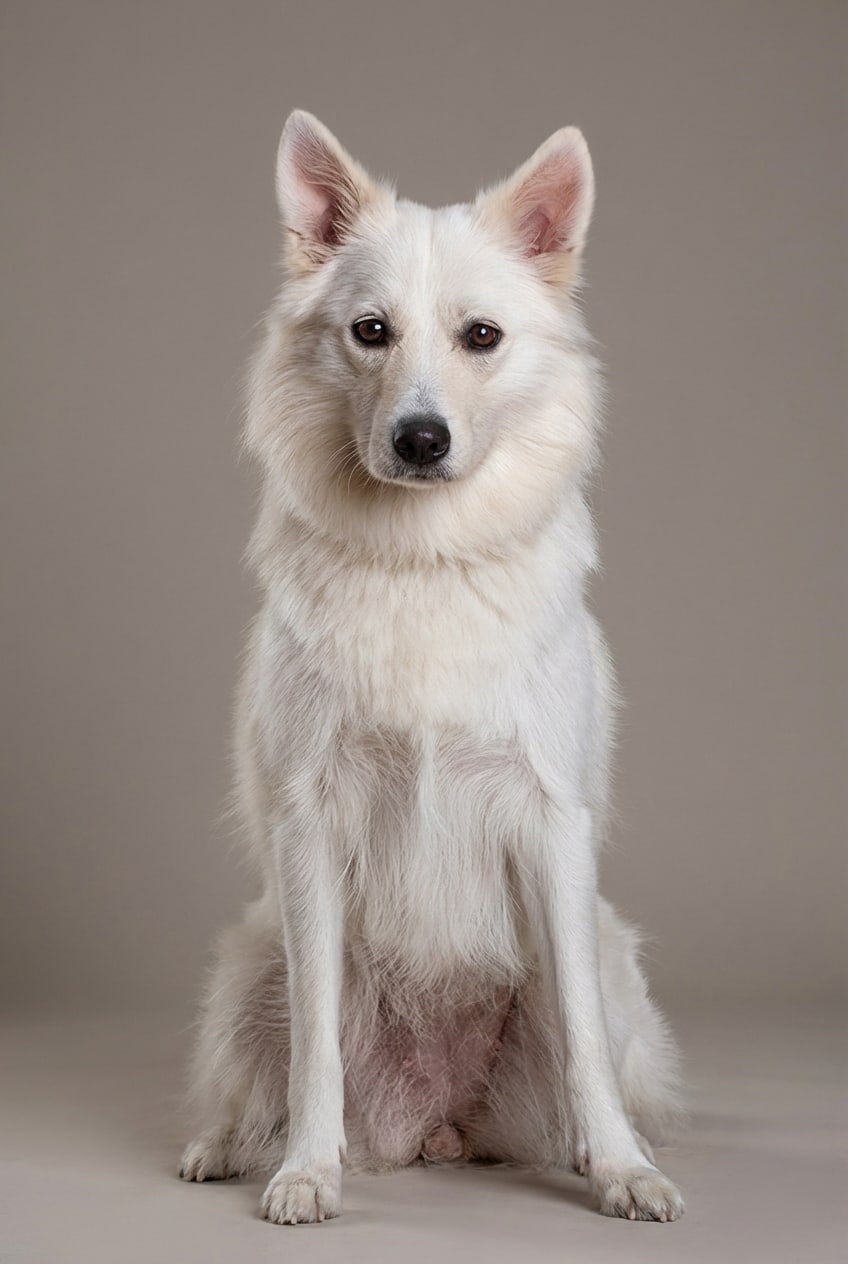
Origin and Historical Background
The Bulgarian Hound, affectionately known as the Barak in Bulgaria, is a revered hunting breed that has its origins deeply rooted in the geographical landscape of the country. The breed is predominantly found in the north, northwestern, and central regions of Bulgaria, where it has thrived for generations. It was first documented in the lineage of long-haired hounds by F. Laszka in 1905, highlighting the breed's historical significance in the region. The breed's distinct characteristics have made it the only long-haired hound breed to emerge from the specific region of Bulgaria.
The Bulgarian Hound is recognized by the Bulgarian Republican Federation of Cynology, which established its breed standard. According to this standard, the breed is classified under group 6 - "Scenthounds and similar breeds", and further categorized under section 1.2 - "Medium-sized scenthounds".
In a groundbreaking study conducted in 2020, a mitochondrial DNA analysis revealed a significant historical connection between the Bulgarian Hound and ancient Italian dogs. A dog specimen from the Bronze Age town of Via Ordiere, Solarolo, Italy, dated to 3,600–3,280 years ago, shared a DNA sequence (haplotype) found in the Bulgarian Hound. This study provided compelling evidence that the genetic lineage of the Bulgarian Hound can be traced back to ancient times, indicating a deep and enduring genetic connection spanning millennia.
Physical Characteristics
The Bulgarian Hound is a medium-sized scent hound, celebrated for its balanced and elegant conformation. Males typically weigh between 18-25 kg, while females weigh slightly less at 16-23 kg. In terms of height, males stand at 48-58 cm, while females measure between 46-54 cm, showcasing a well-proportioned build that is both strong and agile.
Its coat is short, dense, and features a distinctive tricolor or black-and-tan coloration. The coat can vary in shades from yellow-rufous to dark rufous, with some individuals exhibiting combinations of grey or black-grey in the middle part of the body. Additionally, some white spots are acceptable in specific places, such as on the chest or feet, adding to the breed's unique appearance.
Temperament and Personality
The Bulgarian Hound is an alert, energetic, and intelligent breed, renowned for its loyalty and strong hunting instincts. Its high energy level is matched by its strong work ethic, making it well-suited for roles that require focus and determination. Despite its high energy, the breed is somewhat independent, which may affect its affectionate nature with strangers. This independence, coupled with its hunting instincts, makes the Bulgarian Hound an excellent choice for those who appreciate a breed that is both capable and self-motivated.
With a life span of 12-14 years, the breed's temperament is characterized by its high trainability. This is particularly advantageous for owners who seek a dog that can be effectively trained for various tasks, especially those related to its hunting heritage. The Bulgarian Hound's intelligence and responsiveness to training make it a versatile and capable companion.
Breeding and Registration
The primary purpose of breeding the Bulgarian Hound is for hunting. Its natural instincts and physical attributes, such as a keen sense of smell and agility, make it an excellent choice for tracking and hunting in diverse terrains. The breed's adaptability and versatility are key factors that have contributed to its continued popularity among hunters.
Given that the breed is not recognized by the FCI, its breeding and recognition are likely to follow a more localized and possibly traditional approach. This may include the careful selection of breeding pairs based on their hunting abilities, conformation, and temperament, reflecting the breed's deep roots in Bulgaria.
The breed's adaptability, affection level, child-friendliness, dog-friendliness, energy level, grooming needs, health issues, intelligence, shedding level, social needs, stranger-friendliness, and vocalization have all been rated as "None," which suggests that these traits may vary widely among individual dogs. This variability underscores the importance of individual assessment when considering the addition of a Bulgarian Hound to a household.
Health Considerations
Potential owners should be aware of these issues to ensure the well-being of their pet. Common health concerns for the Bulgarian Hound include hip dysplasia, a genetic condition that can cause pain and mobility issues in affected dogs; elbow dysplasia, which can also lead to joint problems; and glaucoma, an eye condition that can cause vision loss if not treated promptly.
Owners should be vigilant for signs of illness or discomfort and seek veterinary care when necessary. It is also advisable to discuss these potential health concerns with a veterinarian who is familiar with the breed to develop a proactive health care plan.
Living with a Bulgarian Hound
Living with a Bulgarian Hound requires an understanding of its high energy level and independent nature. A spacious yard or access to open fields for exercise is beneficial, as is an owner who can provide consistent training and structure.
Given its hunting instincts, the Bulgarian Hound may be more suited to households with older children or those who can provide adequate supervision and training. The breed's low affection level towards strangers means that it may not be the best choice for families looking for a highly affectionate and social pet.
This includes routine teeth brushing, ear cleaning, and nail trimming. Owners should also be prepared for the possibility of shedding, although it is rated as medium.
Buying a Bulgarian Hound
When considering the purchase of a Bulgarian Hound, potential owners should be realistic about the costs associated with this breed. The initial cost of purchasing a puppy, along with ongoing expenses such as food, veterinary care, grooming, and training, should be carefully considered. The investment in a Bulgarian Hound is not just financial but also in time and commitment.
It is also crucial to find a reputable breeder who can provide a healthy and well-socialized puppy. When selecting a breeder, potential owners should research their reputation, ask about the puppy's health and socialization history, and ensure the puppy has been appropriately vaccinated and dewormed. A responsible breeder will also be transparent about the breed's potential health issues and will provide guidance on how to care for the puppy.
- Research reputable breeders
- Ask about the puppy's health and socialization history
- Ensure the puppy has been appropriately vaccinated and dewormed
- Be prepared for the long-term commitment of owning a Bulgarian Hound
Frequently Asked Questions
What is the lifespan of the Bulgarian Hound?
The average lifespan of the Bulgarian Hound is about 12-14 years. Good nutrition and regular veterinary care support a healthy life.
What is the temperament of the Bulgarian Hound?
The Bulgarian Hound is known for: Alert, Energetic, Intelligent, Loyal, Independent, Work-focused. Its energy level is high.
What size and weight is the Bulgarian Hound?
It is a large dog, typically around Male: 18-25; Female: 16-23 kg as an adult.
Is the Bulgarian Hound easy to care for?
Reliable grooming and shedding ratings are not available. Routine brushing, ear and dental care, and nail trims are still recommended.
Is the Bulgarian Hound good with kids and other pets?
Reliable child- and pet-friendliness ratings are not available. Supervised, gradual introductions are recommended.
How much exercise does the Bulgarian Hound need?
With a high energy level, it needs walks, play or training matched to its stamina.
Bulgarian Hound
Trait Scores
N/A