Origin and Recognition
The Broholmer, also known as the Danish Mastiff, is a breed with a rich history that originates from Denmark. It is officially recognized by the Danish Kennel Club and the Fédération Cynologique Internationale (FCI), the international canine organization that sets standards for dog breeds worldwide. This large mastiff breed has been a guardian in the homes of the wealthy, showcasing its protective instincts and loyalty, which have been valued throughout history.
During the tumultuous period of World War II, the Broholmer's population suffered a significant decline. The breed faced the threat of extinction, but it managed to make a remarkable comeback in the 1970s.
Breed Characteristics
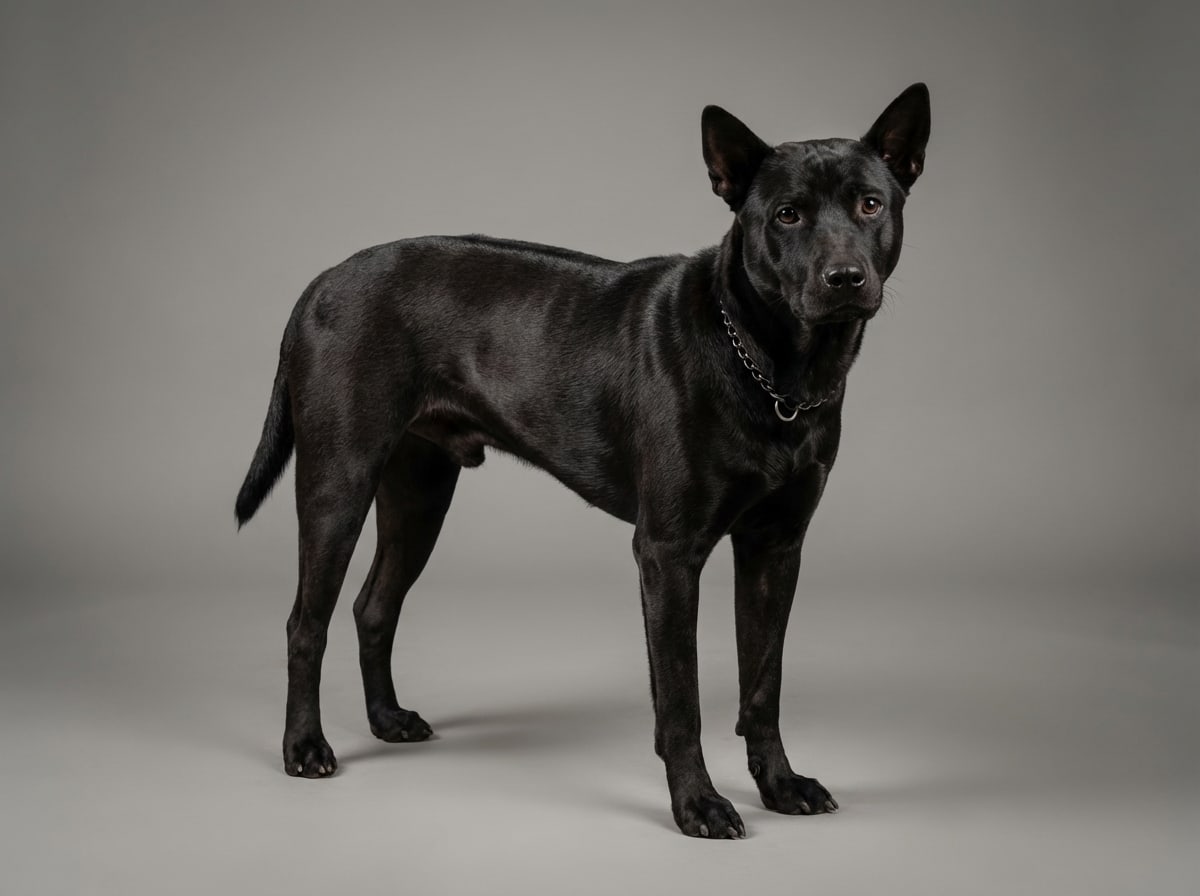
The Broholmer is a large, powerful dog with a distinctive rectangular build that is both impressive and functional. Males typically stand at a height of 75-76 cm (29.5-29.9 inches) at the withers and weigh between 50-68 kg (110-150 lbs), while females are slightly smaller, measuring 70-71 cm (27.5-28.1 inches) and weighing 41-59 kg (90-130 lbs). Their body is square and rectangular, designed for strength and endurance. The Broholmer features a massive head with a skull and nose of equal length, which is a hallmark of the breed's robust build.
The Broholmer's coat is short and harsh, which not only contributes to its distinctive appearance but also serves practical purposes. The coat comes in colors such as light or brownish yellow, or black, with some white markings permitted. A black mask is often present, which adds to the dog's striking appearance.
The Broholmer's loud, impressive bark and dominant walk are characteristic of its guard dog nature.
Temperament and Behavior
Despite its size and powerful build, the Broholmer is known for its calm, confident demeanor. This breed is friendly and gentle, making it an excellent choice for a family pet. Its protective instincts are well-developed, and it is known to be loyal to its owners.
However, the Broholmer's adaptability and affection level are rated as 'None' and 'None' respectively, indicating that this breed may not be as adaptable or affectionate as some other dog breeds. This is an important consideration for potential owners looking to integrate a Broholmer into their household, as it suggests that the breed may require a more experienced handler or owner who can provide consistent training and care.
Health Considerations
One significant health concern for the Broholmer is degenerative myelopathy (DM), a spinal cord disorder that can lead to paralysis and is similar to Lou Gehrig's disease in humans. This condition is particularly concerning for the Broholmer, as all Broholmers imported into the United States were found to be afflicted with DM. This discovery highlights the importance of careful breeding practices and genetic screening to mitigate the risk of this and other health issues within the breed.
Broholmer Selskabet, the Danish organization responsible for the protection and breeding of healthy Broholmers, did not accept these dogs, emphasizing the need for responsible breeding to ensure the health and well-being of the breed. The organization's stance underscores the importance of maintaining high standards in breeding practices to preserve the health of the Broholmer population.
Life Span and Care
The Broholmer has an average lifespan of 8-10 years, which is typical for large breeds. This lifespan is influenced by various factors, including genetics, diet, exercise, and overall care.
Coat and Grooming
The Broholmer has a short and harsh coat that requires minimal grooming. This grooming routine also helps to distribute natural oils throughout the coat, keeping it in good condition.
Buying and Owning a Broholmer
These organizations adhere to strict breeding standards and can help ensure that the Broholmer you bring into your home is healthy and well-bred.
Be prepared for the Broholmer's large size and potential health issues, such as degenerative myelopathy. This breed requires a significant amount of space and a commitment to its care. Potential owners should be prepared to provide a safe and secure environment, as well as consistent training and socialization to help manage the Broholmer's natural protective instincts.
- Research reputable breeders who are members of recognized kennel clubs.
- Understand and prepare for potential health issues, such as degenerative myelopathy.
- Provide a safe and secure environment that meets the breed's space and exercise needs.
- Commit to consistent training and socialization to manage protective instincts.
Frequently Asked Questions
What is the lifespan of the Broholmer?
The average lifespan of the Broholmer is about 8-10 years. Good nutrition and regular veterinary care support a healthy life.
What is the temperament of the Broholmer?
The Broholmer is known for: Calm, Friendly, Confident, Protective, Loyal, Gentle. Its energy level is low.
What size and weight is the Broholmer?
It is a large dog, typically around Male: 50-68; Female: 41-59 kg as an adult.
Is the Broholmer easy to care for?
Reliable grooming and shedding ratings are not available. Routine brushing, ear and dental care, and nail trims are still recommended.
Is the Broholmer good with kids and other pets?
Reliable child- and pet-friendliness ratings are not available. Supervised, gradual introductions are recommended.
How much exercise does the Broholmer need?
With a low energy level, it needs walks, play or training matched to its stamina.
Broholmer
Trait Scores
N/A