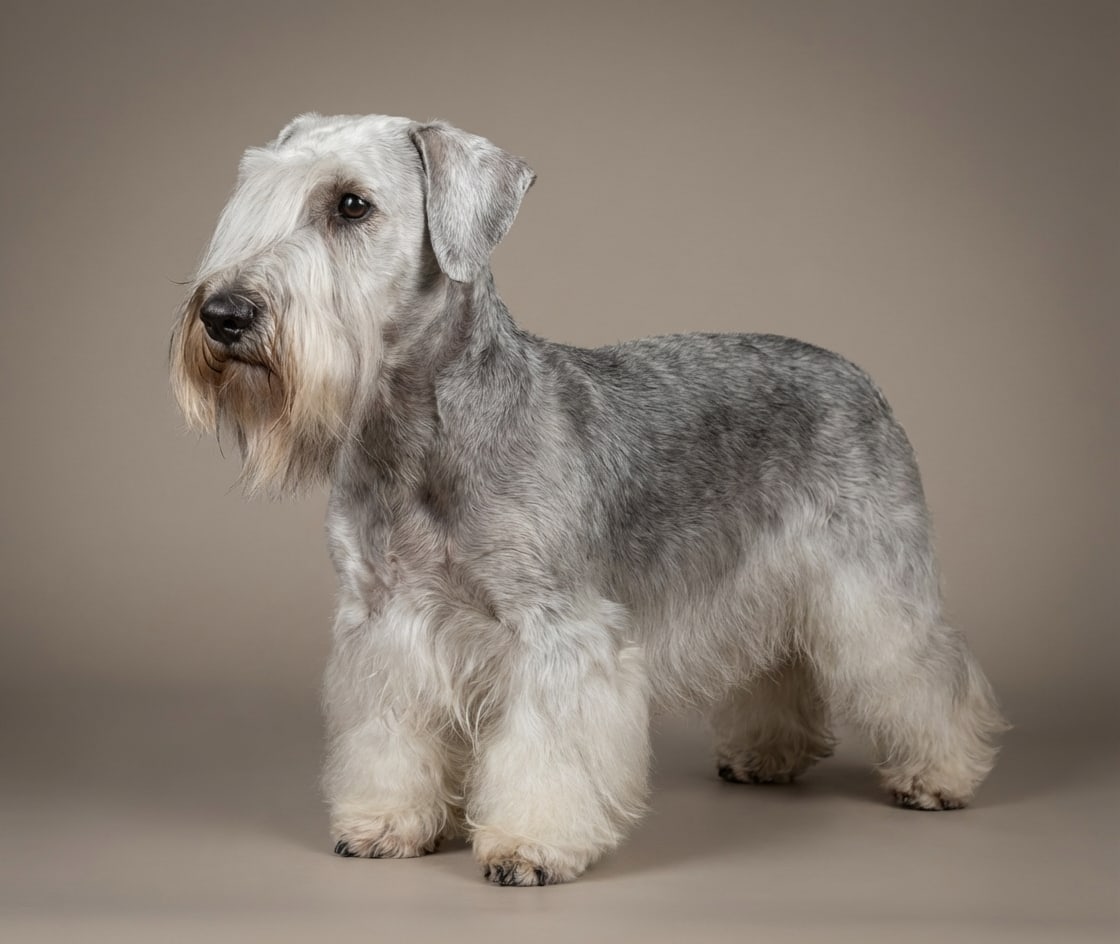
Origin and History
The Brittany Spaniel, also known as the Breton Spaniel, originated from the Brittany region in north-western France, hence its name. The breed's development began in the seventeenth century and continued through the nineteenth century. Early depictions of similar orange-and-white hunting dogs can be traced back to tapestries and paintings from the seventeenth century. The first written description of these dogs was documented by Reverend Davies in 1850, who described them as small "bobtailed" dogs that excelled in pointing and retrieving game. The modern breed was further developed by mating with English Setters around the same time. The Breton Spaniel was officially recognized as a breed in 1907 when an orange-and-white dog named Boy was registered in France. This event led to the establishment of the first breed standards in the same year. The American Kennel Club (AKC) approved the breed in 1934, and in 1982, the word "Spaniel" was officially dropped from its name, reflecting its distinct hunting heritage.
The American Brittany, a variant of the French and international Brittany Spaniel, has been bred differently and is somewhat larger. According to the AKC standard, it stands between 44–52 cm (17.5–20.5 in) at the withers, with body weights ranging from 14–18 kg (30–40 lb). This variant tends to have a blockier head and is generally smaller than setters but leggier than spaniels.
Longevity studies have shown varying median life spans for the Brittany Spaniel. A 2015 French study found a median longevity of 12.6 years, while a 2024 UK study reported a median of 11.1 years, which is lower than the average of 12.5 years for all dogs. This discrepancy in life expectancy highlights the importance of considering genetic factors and environmental influences when assessing the longevity of any breed.
Physical Characteristics
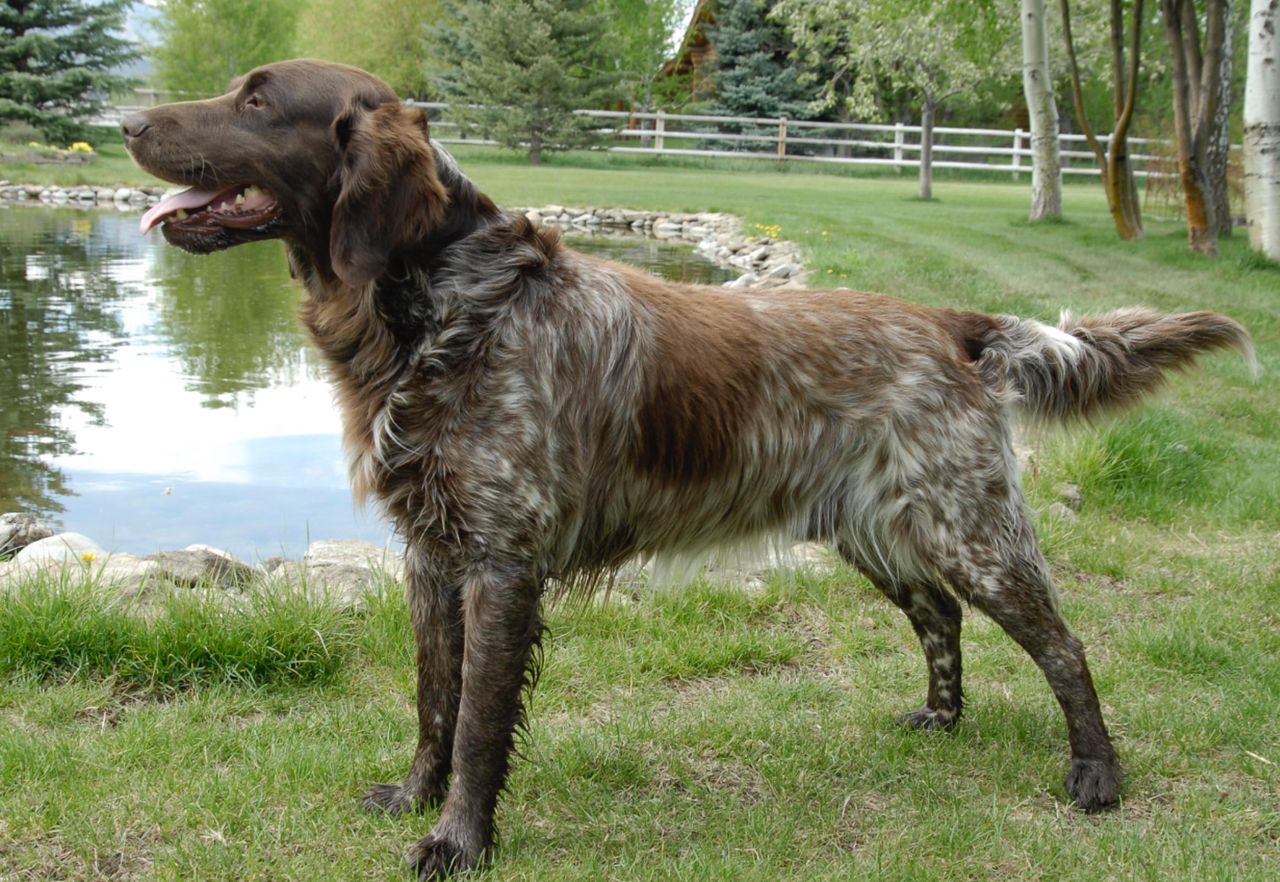
The Brittany Spaniel is a medium-sized, compact, and leggy sporting dog with an athletic build. It is known for its distinctive orange and white feathered coat, which can also be black-and-white, liver-and-white, pied, roan, or tri-coloured. The coat may be solid, but this is not accepted in the breed standard. The breed has a spaniel-type head and a bob-tail, which may be short, completely absent, or of normal length. In some regions, the tail may be legally docked to a length of between 3 and 6 cm. The Épagneul Breton is not on the list of breeds that may participate in shows of the Fédération Cynologique Internationale (FCI) with a docked tail, reflecting the breed's natural appearance and hunting heritage.
Compared to other breeds, the American Brittany is slightly larger and has a blockier head. This difference in physical characteristics is a result of the selective breeding practices that have shaped the American Brittany to better suit its hunting role.
Temperament and Personality
The Brittany Spaniel is known for its intelligent, energetic, and eager-to-please temperament. It is a friendly and happy-go-lucky dog, making it an excellent companion for active individuals or families. The breed's high energy level and intelligence make it highly trainable, which is beneficial for both hunting and everyday activities. Its friendly nature also makes it well-suited for socializing with other dogs and people, which is particularly important for a breed that was originally bred to work in packs.
The Brittany Spaniel's adaptability, affection level, and child-friendliness have not been rated on a scale of 0-5, but its energetic and intelligent nature suggests it would be a good match for active households with children who can provide ample exercise and mental stimulation.
Health Considerations
While the Brittany Spaniel is generally a healthy breed, it is predisposed to certain health conditions. A North American study found that the breed has an incidence of hip dysplasia at 4.22%, which is higher than the overall incidence of 3.52%. Hip dysplasia can lead to mobility issues and pain in affected dogs, which can significantly impact their quality of life.
Another study found the Brittany to have the fourteenth-lowest rate of elbow dysplasia among 60 breeds, with an incidence of 1.7%.
Additionally, the Brittany Spaniel has a higher-than-average incidence of glaucoma, at 0.95%, compared to the overall incidence of 0.89%. Glaucoma is an eye condition that can lead to blindness if not treated promptly.
Breeder Purpose and Working Traits
The Brittany Spaniel was bred for its sporting abilities, particularly for bird hunting. It is known for its versatility in pointing and retrieving, making it an excellent gundog. The breed's high energy and intelligence make it well-suited for field work and hunting, where its agility and keen sense of smell are invaluable. This working heritage is a significant aspect of the breed's identity and is reflected in its physical and temperamental traits.
The American Brittany, while bred differently, retains many of these working traits. Its larger size and blockier head are advantageous for hunting, and its legginess allows for quick movement through the field. The breed's tri-colour coat provides excellent camouflage in the field, aiding in its hunting capabilities. These traits make the American Brittany a versatile and effective hunting dog.
Buying a Brittany Spaniel
The cost of a Brittany Spaniel can vary, but it is generally a medium-priced breed. Factors such as the breeder's reputation, the dog's lineage, and the region can all influence the final price. Potential owners should research breeders thoroughly and be prepared for the ongoing costs of owning a dog, including food, veterinary care, and training.
Coat and Colour Standards
The Brittany Spaniel's coat is a defining feature of the breed, with specific standards set by kennel clubs and registries. The coat is typically short, dense, and weather-resistant, which is ideal for a hunting dog that works in all weather conditions. The accepted colours are orange and white, black-and-white, liver-and-white, pied, roan, or tri-coloured. The tri-colour coat, which includes liver, orange, and white, is particularly sought after and is specified in the American Brittany standard.
Coat texture and condition are also important. The breed's feathering, particularly on the legs and tail, requires special attention to prevent mats and to keep the coat looking its best.
Training and Socialization
Training is a crucial aspect of owning a Brittany Spaniel. These dogs are intelligent and eager to please, making them highly trainable. Socialization is also essential, as it helps to ensure that the Brittany Spaniel grows up to be a well-rounded and well-behaved dog.
This exposure helps to prevent future behavioral issues and ensures that the Brittany Spaniel is comfortable in a variety of situations. Training should be positive and rewarding, using treats and praise to reinforce good behavior.
Frequently Asked Questions
What is the lifespan of the Brittany?
The average lifespan of the Brittany is about 12-15 years. Good nutrition and regular veterinary care support a healthy life.
What is the temperament of the Brittany?
The Brittany is known for: Intelligent, Energetic, Eager to Please, Friendly, Athletic, Happy. Its energy level is high.
What size and weight is the Brittany?
It is a large dog, typically around 14-18 kg as an adult.
Is the Brittany easy to care for?
Reliable grooming and shedding ratings are not available. Routine brushing, ear and dental care, and nail trims are still recommended.
Is the Brittany good with kids and other pets?
Reliable child- and pet-friendliness ratings are not available. Supervised, gradual introductions are recommended.
How much exercise does the Brittany need?
With a high energy level, it needs walks, play or training matched to its stamina.
Brittany
Trait Scores
N/A