Origin and Historical Development
The Braque Saint-Germain, a French breed of dog, was meticulously bred in the 19th century. Emerging around 1830, this breed was a result of crossing English Springer Spaniels and French Pointing Dogs, a blend that aimed to enhance hunting capabilities. The breed was initially nurtured in the royal kennels at Compiègne, and it gained its name and notoriety in Saint Germain en Laye, a town where it became a symbol of canine excellence. By the time of the first dog show in France in 1863, the Braque Saint-Germain had already established itself as the most shown pointing breed, a status it maintained for years. The breed's development was closely linked to the work of French breeder Jean-Baptiste Godin, who was instrumental in refining the breed's characteristics.
Recognized by the Fédération Cynologique Internationale (FCI) in Group 7, Pointing Dogs, Section 1.1 Continental Type Pointing Dog, the Braque Saint-Germain has been celebrated for its hunting prowess. Since 2006, the United Kennel Club (UKC) in North America has also recognized this breed, reflecting its growing popularity and acceptance across continents. The breed's rarity and unique characteristics have made it a favorite among those seeking a distinctive pet. The FCI's recognition of the Braque Saint-Germain in 1910 marked a significant milestone in the breed's history, solidifying its status as a recognized breed within the international canine community.
Appearance and Physical Characteristics
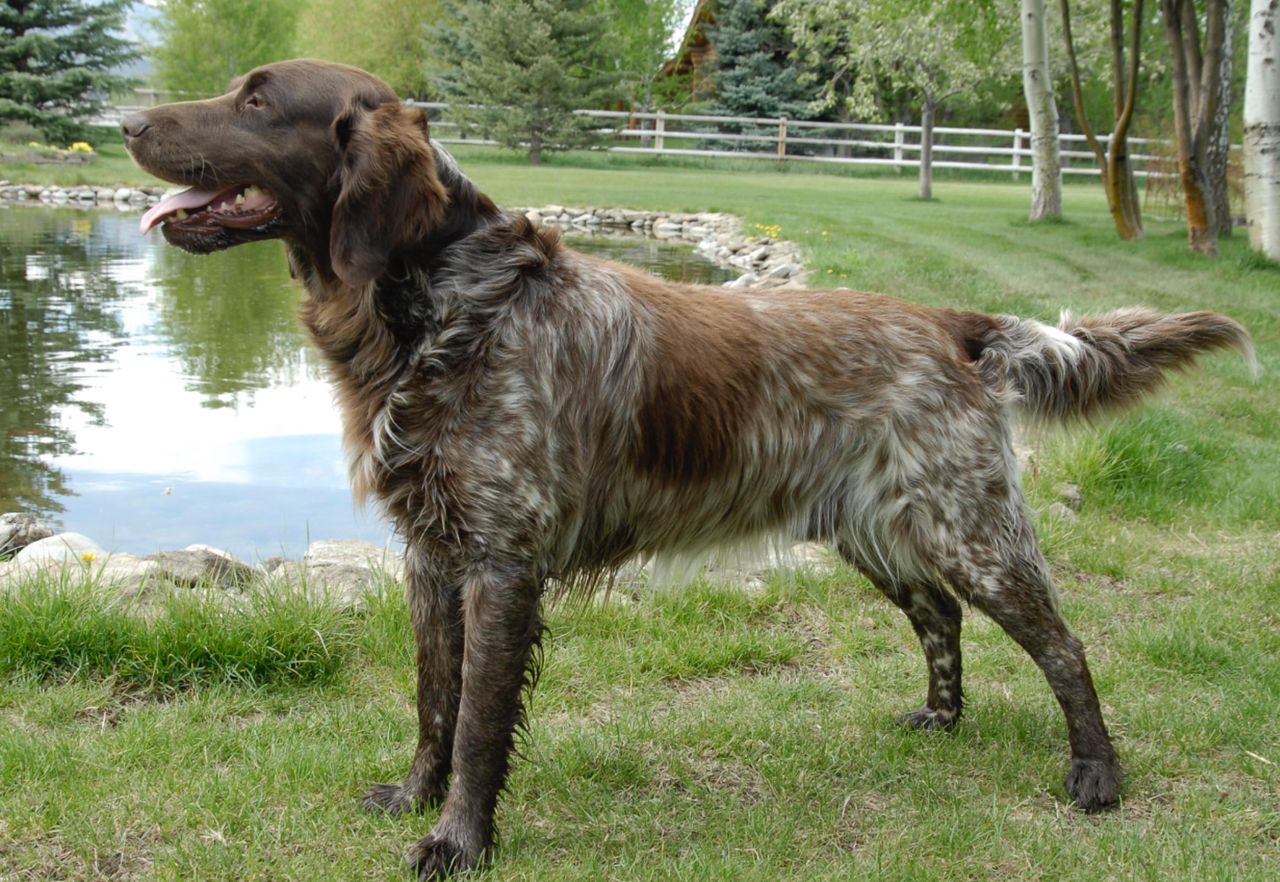
Standing at 56-62 centimeters (22-24 inches) at the withers, the Braque Saint-Germain is a medium-large dog that embodies elegance and athleticism. Its females, typically, are slightly smaller than males, measuring around 54-60 centimeters (21-23 inches) at the withers. This breed is distinguishable by its drop ears and a long tail that is carried level while in work, a trait that speaks to its alertness and readiness to locate game. The breed's physical structure is designed for agility and endurance, essential traits for a successful hunter.
The Braque Saint-Germain's coat is medium-length and boasts a striking fawn and white coloration. This color scheme, which can range from a pale fawn to a rich chestnut, is characteristic of its versatile hunting abilities. The breed's physical structure, which includes a deep chest and a strong, well-muscled body, supports its role as a pointer. The breed's pointed ears and long tail, which can reach the hocks, are characteristic of its pointing heritage and its keen sense of direction in the field. The breed's coat requires regular grooming to prevent mats and to maintain its luster.
Temperament and Behavior
According to the breed standard, the Braque Saint-Germain has a soft mouth, which is essential for retrieving game without causing harm. This "hunter above all" is not just a field dog but also a companion that thrives on human interaction. Its gentle and intelligent nature make it an affectionate and eager-to-please pet, qualities that are cherished in both the field and the home. The breed's temperament is often described as calm and even-tempered, making it a suitable companion for families with children.
With a moderate energy level, the Braque Saint-Germain is adaptable to various environments and roles. Whether as a hunting companion or a loyal family member, this breed's loyalty and adaptability make it a versatile choice. Its shedding and moderate exercise requirements align well with active households that can provide the necessary care and attention. The breed's natural retrieving instincts can also be channeled into dog sports such as flyball and retrieving games.
Breeder Purpose and Uses
Primarily bred for hunting, the Braque Saint-Germain is a gun dog and pointer that excels in locating and pointing out small game. Its natural abilities make it an excellent choice for those involved in hunting or dog sports such as field trials and agility. Despite its hunting origins, the breed has also made a name for itself in the show ring, where its elegance and charming personality have won it numerous admirers. The breed's versatility is further demonstrated by its participation in obedience and tracking trials, showcasing its intelligence and trainability.
The breed's popularity as a hunting companion, particularly in regions like the Vosges Mountains and the French countryside, is attributed to its exceptional pointing abilities, a trait that was developed through crossing English and French pointing type dogs around 1830.
Health and Genetic Considerations
The Braque Saint-Germain, known for its soft mouth and hunting prowess, may experience hip dysplasia, a condition affecting the hip joint's fit, potentially leading to arthritis. This breed, developed from a mix of English and French pointing dogs, also faces risks of eye disorders like cataracts and progressive retinal atrophy, as well as skin issues such as sebaceous adenitis.
Given its hunting heritage, regular exercise and mental stimulation are essential to maintain the breed's health and well-being. The Braque Saint-Germain requires physical activity as well as mental challenges to stay healthy and happy. Regular vet check-ups and a commitment to a healthy lifestyle are important for ensuring this breed thrives in any environment. By addressing these factors, owners can help ensure a long and healthy life for their Braque Saint-Germain.
Recognition and Registration
The Braque Saint-Germain is recognized by the Fédération Cynologique Internationale (FCI) and the United Kennel Club (UKC) in North America, reflecting the breed's status and the respect it has garnered in the canine community. Its recognition by these prestigious organizations underscores its historical significance and its continued popularity. The FCI's classification of the Braque Saint-Germain within the Pointing Dogs group acknowledges its hunting background and pointing instincts.
While the breed is promoted as rare, its recognition by a number of minor registries, hunting clubs, and internet-based dog registry businesses indicates a dedicated following and a demand among those interested in unique pets. The breed's registry numbers have been relatively stable, with an estimated 500-700 Braque Saint-Germain registered with the FCI annually, reflecting its status as a niche breed within the broader canine world.
Buying a Braque Saint-Germain
When considering a Braque Saint-Germain, potential owners should be prepared for the breed's unique needs and characteristics. Given its origins as a hunting dog, this breed may be more suitable for individuals or families who enjoy outdoor activities and have a home environment that allows for regular exercise. The breed's moderate energy level requires a commitment to daily walks and playtime.
- Look for a breeder who is a member of recognized kennel clubs to ensure the health and temperament of the dog. The American Kennel Club (AKC) also recognizes the Braque Saint-Germain, and breeders registered with these organizations adhere to strict breeding standards.
- Prepare for a commitment of 12-14 years, as the Braque Saint-Germain has a moderate life expectancy. This long-term commitment requires careful consideration and planning.
- Be prepared for grooming needs, including regular brushing to manage shedding and maintain coat health. The breed's coat can be prone to mats, especially during shedding periods.
By considering these factors, potential owners can ensure they are making an informed decision that will provide both their Braque Saint-Germain and their family with a fulfilling life together. The breed's rarity and unique characteristics make it a special choice for those looking for a companion that embodies both history and natural ability.
Frequently Asked Questions
What is the lifespan of the Braque Saint-Germain?
The average lifespan of the Braque Saint-Germain is about 12-14 years. Good nutrition and regular veterinary care support a healthy life.
What is the temperament of the Braque Saint-Germain?
The Braque Saint-Germain is known for: Gentle, Intelligent, Affectionate, Eager to Please, Loyal. Its energy level is moderate.
What size and weight is the Braque Saint-Germain?
It is a large dog, typically around 18-26 kg as an adult.
Is the Braque Saint-Germain easy to care for?
Reliable grooming and shedding ratings are not available. Routine brushing, ear and dental care, and nail trims are still recommended.
Is the Braque Saint-Germain good with kids and other pets?
Reliable child- and pet-friendliness ratings are not available. Supervised, gradual introductions are recommended.
How much exercise does the Braque Saint-Germain need?
With a moderate energy level, it needs walks, play or training matched to its stamina.
Braque Saint-Germain
Trait Scores
N/A