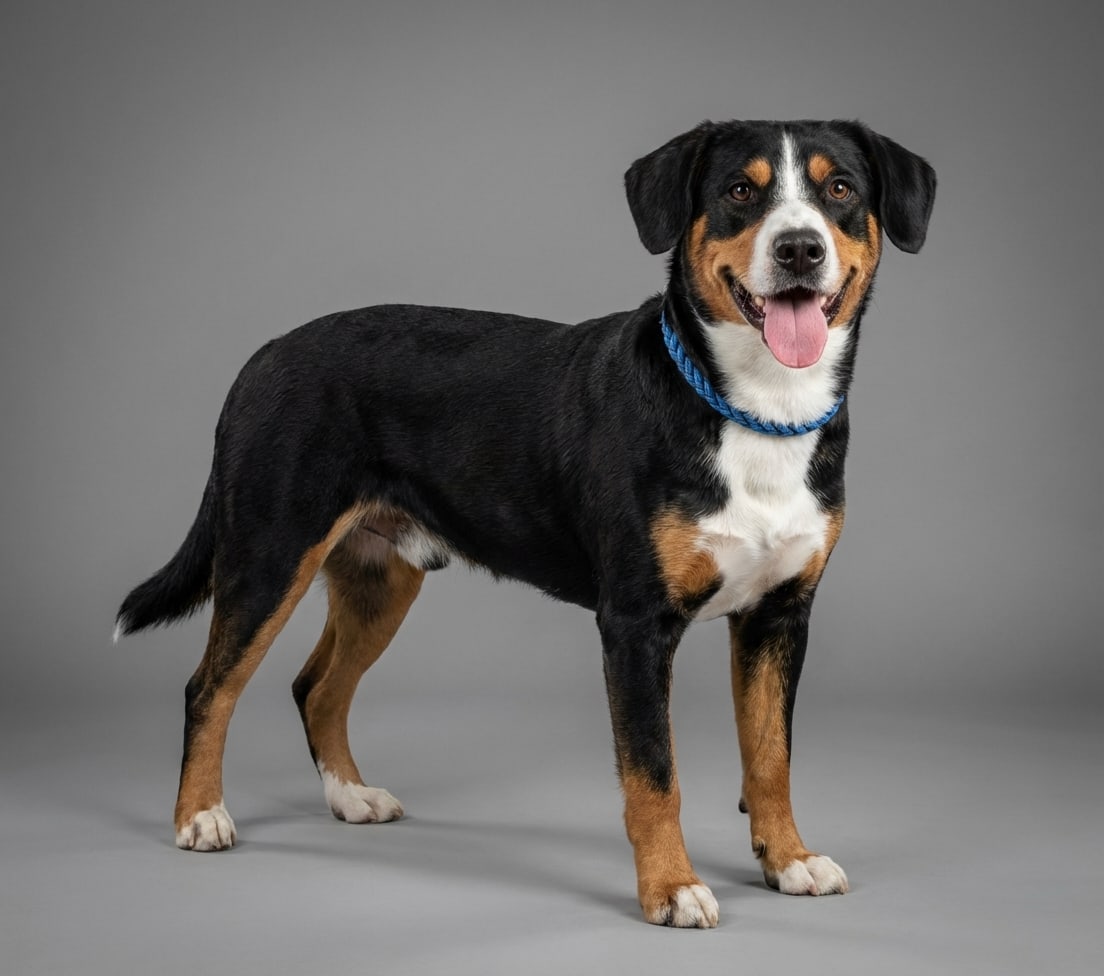
Origin and History
The Braque d'Auvergne, a breed with roots tracing back over two centuries, hails from the Cantal region in the Auvergne province of France. Known for its versatile hunting abilities, it has been recognized as a French gundog breed since 1955, and its breed standard was established by the FCI (Fédération Cynologique Internationale) in 1957. The Kennel Club of the United Kingdom recognized the breed on April 1, 2016, following a lengthy application process.
This pointer breed descended from ancient regional hunting dogs, including the Grand Bleu de Gascogne and the French Spaniel, reflecting its natural instincts and abilities. The breed's development was closely linked to the needs of hunters in the Auvergne region, where it was prized for its keen nose and quiet demeanor in the field. Its historical role in the Auvergne region has contributed to its distinctive traits and temperament, which have been honed through generations of selective breeding.
The Braque d'Auvergne's history is steeped in the French countryside, where it has been a valuable member of hunting parties for generations. The breed was particularly favored by hunters who pursued game such as partridges, pheasants, and rabbits in the hilly and wooded terrain of the Auvergne. Its loyalty and work ethic have made it an indispensable part of hunting parties, earning it a reputation as a "hunter's best friend. "
Physical Appearance
The Braque d'Auvergne is a robust, medium-sized dog standing at a height of 53 to 63 centimeters at the withers for males, and slightly shorter at 53 to 61 centimeters for females. Males typically weigh between 22 to 30 kilograms, while females weigh between 20 to 28 kilograms.
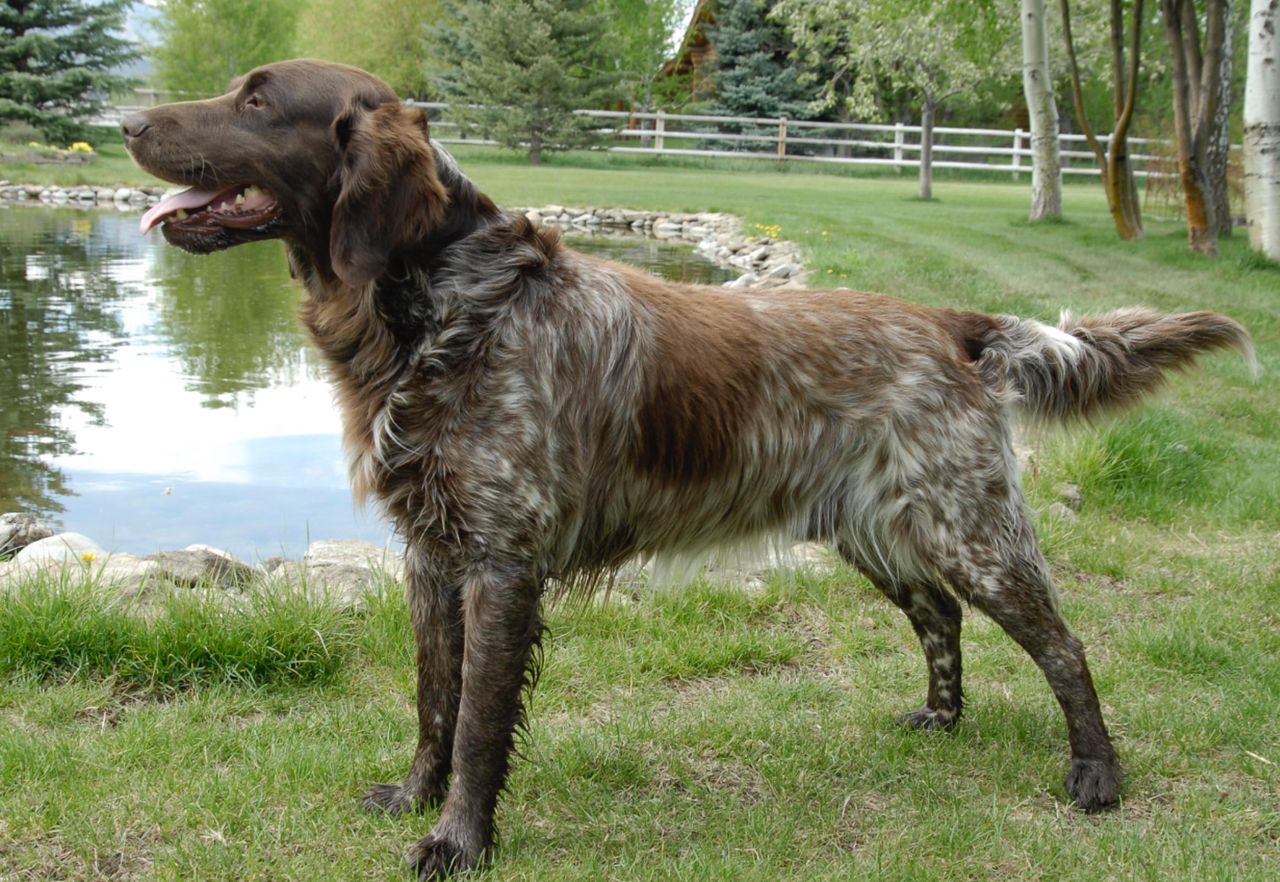
Its noble head is characterized by a large skull, long, drooping ears, and pendulous lips. The breed's tail was traditionally docked to half its length, a practice that was more common in the past but has become less prevalent. What sets this breed apart is its coat, which is short and glossy, predominantly white with mottling of black, creating a striking blue impression. The head and ears are always black, and large black spots are a notable feature. The coat's coloration is not only aesthetically pleasing but also practical, allowing the dog to blend into the underbrush during hunting.
Temperament and Behavior
The Braque d'Auvergne is known for its gentle nature, intelligence, and affection. These traits make it an excellent companion both as a hunting dog and a family pet.
Its temperament is such that it can adapt well to various environments, as long as its work-focused nature is met. Its trainability is high, making it responsive to commands and easy to teach the necessary hunting skills, such as pointing and retrieving.
Breeder Purpose and Sporting Ability
The Braque d'Auvergne was bred for sporting purposes, primarily as a pointer and versatile gundog. Its ability to work efficiently in the field, coupled with its keen sense of smell and strong retrieving instincts, makes it highly valued in the sporting community. The breed's adaptability in the hunting field is enhanced by its medium energy level, allowing it to perform effectively over long periods without excessive strain.
Its hunting skills are well-rounded, making it suitable for a variety of hunting environments. The Braque d'Auvergne is adept at both flushing and retrieving game, and its natural grace and agility in the field make it a pleasure to watch and work with. The breed's keen intellect also makes it a good choice for agility and obedience training, as well as other dog sports.
Lifestyle Considerations
With a lifespan of 12 to 15 years, the Braque d'Auvergne is a long-term companion. It requires a medium amount of exercise and attention, which can include daily walks and opportunities to hunt or engage in active play. The breed is generally active and enjoys having a job to do, whether it's retrieving a bird or participating in a dog sport.
The breed is generally hypoallergenic, although this does not make it entirely allergy-free. Those with allergies may still experience some symptoms when in the presence of a Braque d'Auvergne, as it sheds and danders like all dogs.
Health Considerations
Specific concerns include potential hereditary conditions such as hip dysplasia, which can lead to mobility problems in older dogs. Hip dysplasia is a degenerative condition where the hip joint doesn't fit together perfectly, which can cause pain and lameness. Other potential health issues include elbow dysplasia, eye disorders such as cataracts and glaucoma, and certain skin conditions.
Early detection and treatment can significantly impact the quality of life for your dog. Responsible breeders perform health screenings on their dogs to reduce the risk of passing on these conditions to future generations.
Buyer's Checklist
- Research the breed thoroughly to understand its specific needs and characteristics, including its energy level, exercise requirements, and grooming needs.
- Look for reputable breeders who can provide health clearances and ensure the dogs come from healthy backgrounds. Ask about the breed's common health issues and the breeder's approach to health testing.
- Consider the dog's energy level and trainability to ensure it fits well within your lifestyle and home environment. A Braque d'Auvergne needs an active household and an owner willing to invest time in training and exercise.
- Be prepared for a medium-maintenance grooming routine to keep the coat in good condition. The short, glossy coat of the Braque d'Auvergne requires regular brushing to remove loose fur and keep it looking healthy.
Cost and Realism
Responsible ownership includes being prepared for the long-term financial commitment of owning a dog. The Braque d'Auvergne may not be the most expensive breed, but it does require an investment in terms of time, effort, and finances.
Understanding the breed's history and its role as a sporting dog can provide a realistic perspective on its needs and how to best support its well-being. Owning a Braque d'Auvergne is not just about the joy of having a companion but also about providing the proper care and environment that will allow the dog to thrive. This includes considering the breed's energetic nature and the space required for exercise.
Frequently Asked Questions
What is the lifespan of the Braque d'Auvergne?
The average lifespan of the Braque d'Auvergne is about 12-15 years. Good nutrition and regular veterinary care support a healthy life.
What is the temperament of the Braque d'Auvergne?
The Braque d'Auvergne is known for: Gentle, Intelligent, Affectionate, Devoted, Work-focused. Its energy level is moderate.
What size and weight is the Braque d'Auvergne?
It is a large dog, typically around Male: 22-30; Female: 20-28 kg as an adult.
Is the Braque d'Auvergne easy to care for?
Reliable grooming and shedding ratings are not available. Routine brushing, ear and dental care, and nail trims are still recommended.
Is the Braque d'Auvergne good with kids and other pets?
Reliable child- and pet-friendliness ratings are not available. Supervised, gradual introductions are recommended.
How much exercise does the Braque d'Auvergne need?
With a moderate energy level, it needs walks, play or training matched to its stamina.
Braque d'Auvergne
Trait Scores
N/A