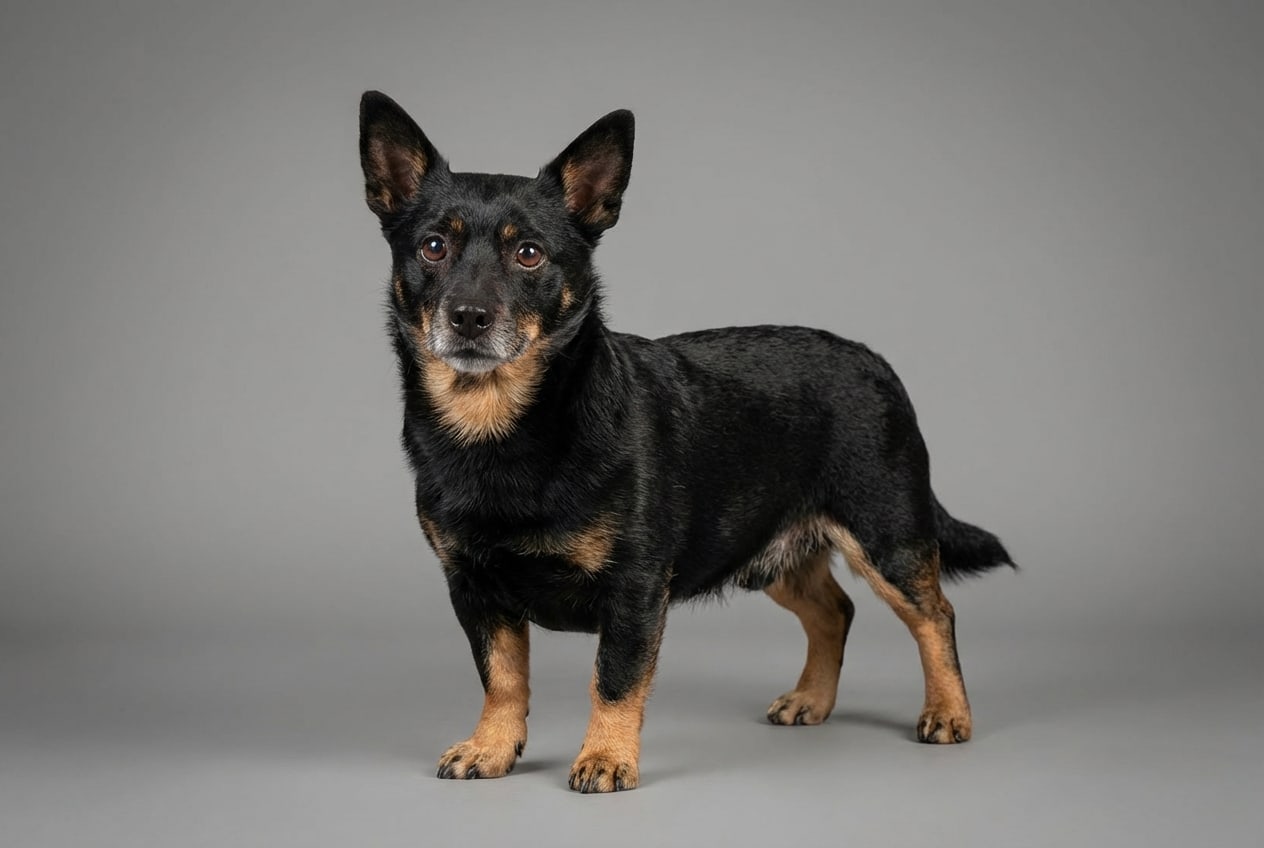
Origin and Historical Background
The Boykin Spaniel hails from the Wateree River Swamp in South Carolina, United States, where it was bred for hunting wild turkeys and ducks. Recognized as the state dog of South Carolina, its development was spearheaded by hunters in the early to mid-1900s. Boykin Spaniel Day, celebrated on September 1st, commemorates the breed's origins, established in 1984.
The breed's foundation is rooted in a small, stray spaniel type dog that befriended a banker in Spartanburg, South Carolina, around 1900. This dog, named "Dumpy," showed retrieving aptitude and was taken home by Alexander L. White, who later passed it on to his friend Lemuel Whitaker Boykin. Boykin, through crossbreeding, developed the breed into a superior turkey dog and waterfowl retriever. The breed was refined to be small enough to fit in small boats, reflecting the swamp hunting environment. The breed's popularity grew as hunters from across the United States sought out these versatile dogs.
Over time, the Boykin Spaniel spread beyond South Carolina due to its hunting prowess and popularity among visitors to the region. The Boykin Spaniel Society was formed in 1977 by the Boykin family, maintaining a studbook since 1979. The breed was recognized by the United Kennel Club in 1985 and later gained AKC recognition through the efforts of the Boykin Spaniel Club and Breeders Association of America, achieving AKC Spaniel Hunt Test eligibility in 2006. This recognition opened doors for the breed to compete in hunting trials and conformation shows.
Appearance and Physical Characteristics
The Boykin Spaniel is a medium-sized breed with a compact build, slightly larger than the English Cocker Spaniel but much heavier. Males typically range in height from 39 to 46 cm and weigh 14 to 18 kg, while females are slightly smaller at 36 to 42 cm in height and 11 to 16 kg in weight. The breed's tail is traditionally docked at three days old, leaving a third of its original length, a practice that has been subject to debate regarding animal welfare.
The coat color ranges from brilliant gold to dark amber, with puppies starting with milky bluish-gold to amber eyes that change as they grow. The coat is medium in length, flat to moderately curly, and fine, with light feathering on the legs, feet, ears, chest, and belly. The length is normally 1 to 2 inches throughout the body. Some bloodlines may exhibit coats shorter and straighter, resembling a Labrador Retriever. Field types often have coats that are shaved down for protection, and improper shaving can result in discoloration or graying of the coat.
White markings are penalized in the Boykin Spaniel Society, disqualifying registration for any white marking on the chest exceeding 60% of its width. The American Kennel Club and United Kennel Club do not deny registration for conformation reasons, but the Boykin Spaniel Society's standards are strict in this regard. White on the toes or chest is purely cosmetic and does not affect the dog's health or ability. The breed's color standards reflect its hunting heritage, where a more camouflaged appearance can be advantageous.
Temperament and Personality
The Boykin Spaniel is known for its friendly, social temperament, making it an excellent family pet. They are easily trained and eager to please, displaying intelligence and adaptability. This breed is stable around children and other dogs, known for its amiable disposition and moderate friendliness. They are energetic with great endurance, requiring ample opportunity for social interaction and physical exercise to prevent pent-up energy.
While not a pointing breed, the Boykin Spaniel has a characteristic "hesitant flush" when flushing birds, which can be mistaken for pointing. Their role as a versatile hunter includes retrieving and flushing birds into flight, making them suitable for dove hunts, pheasant hunting, and upland game. This adaptability has contributed to their popularity among hunters seeking a multi-purpose companion.
Health Considerations
While the Boykin Spaniel is a robust breed, it is not without its health considerations. The Orthopedic Foundation for Animals reports a hip dysplasia prevalence of 14.8% for dogs born after 2021, a significant decline from 51.8% in those born before 1990. Inherited heart disease, eye disease, patellar luxation, and skin and coat problems are also common in the breed, sometimes linked to allergic, thyroid, or endocrine disorders.
Exercise-Induced Collapse (EIC) is a serious concern, affecting about 10% of Boykin Spaniels. Dogs with EIC may collapse during sustained exercise, especially in warm temperatures, and it can be fatal. DNA testing is available to screen for the gene responsible for EIC, and prospective buyers are advised to ensure breeders conduct such testing. This proactive approach can help prevent the spread of the condition within the breed.
Other genetic conditions include Collie Eye Anomaly, degenerative myelopathy, and elbow dysplasia.
Training and Grooming
The Boykin Spaniel is highly trainable, eager to please, and intelligent, making training sessions both rewarding for the owner and the dog. Consistency and positive reinforcement are key to successful training. This breed responds well to a structured training program that includes basic obedience and advanced hunting training.
The coat is typically medium in length and requires regular clipping, especially if the dog is in the field to prevent foxtails and briars from becoming embedded. Some individuals may have a topknot or a minimal amount of stripping or clipping, depending on the desired appearance and the dog's role in the field. Grooming is not only for aesthetic reasons but also for the health of the coat and skin, as it helps prevent mats and keeps the dog comfortable.
Buyer's Checklist and Cost Realism
- Ensure the breeder conducts DNA testing for genetic diseases such as EIC, hip dysplasia, and eye disorders.
- Verify that the puppy comes from registered and healthy parents.
- Check the puppy's health records and ensure the breeder provides a health guarantee.
- Prepare for ongoing costs including veterinary care, grooming, and quality dog food.
- Assess whether your lifestyle matches the energy level and exercise needs of the Boykin Spaniel.
Household Compatibility
They adapt well to different environments, as long as they receive ample social interaction and physical activity. Boykin Spaniels are known for their loyalty and attachment to their families, which makes them ideal companions for active families or individuals who enjoy outdoor pursuits.
Given their hunting background, Boykin Spaniels may not be the best choice for households without a yard or those who prefer less active dogs.
Frequently Asked Questions
What is the lifespan of the Boykin Spaniel?
The average lifespan of the Boykin Spaniel is about 10-15 years. Good nutrition and regular veterinary care support a healthy life.
What is the temperament of the Boykin Spaniel?
The Boykin Spaniel is known for: Friendly, Energetic, Eager to Please, Intelligent, Adaptable. Its energy level is high.
What size and weight is the Boykin Spaniel?
It is a large dog, typically around Male: 14-18; Female: 11-16 kg as an adult.
Is the Boykin Spaniel easy to care for?
Reliable grooming and shedding ratings are not available. Routine brushing, ear and dental care, and nail trims are still recommended.
Is the Boykin Spaniel good with kids and other pets?
Reliable child- and pet-friendliness ratings are not available. Supervised, gradual introductions are recommended.
How much exercise does the Boykin Spaniel need?
With a high energy level, it needs walks, play or training matched to its stamina.
Boykin Spaniel
Trait Scores
N/A