Origin and Development
The Boxerdoodle, a medium-to-large crossbreed, originated in the United States in the 1990s. This hybrid combines the playful energy and loyalty of the Boxer with the intelligence and low-shedding coat of the Poodle. The Boxer, a breed of dog known for its athletic build and alert nature, has its roots in Germany in the late 19th century. It was developed by mating various dog breeds, including the Bullenbeisser, the Beauceron, and the English Bulldog. The Boxer was initially used as a guard dog and in dog fighting before becoming a family pet.
The Poodle, a breed of water dog, originated in Germany, although some historians believe its roots trace back to France. The Poodle was Germany's water dog, used by wildfowl hunters to retrieve game from water. The Poodle's intelligence and trainability were highly valued, and they were also employed in circuses, particularly in France, where they were known as "clown dogs" due to their performing abilities.
The Poodle was recognized by the Kennel Club of the United Kingdom in 1874 and by the American Kennel Club (AKC) in 1886. Since the mid-20th century, Poodles have been popular as pets and show dogs, being the AKC's most registered breed from 1960 to 1982. Their hypoallergenic coats and gentle disposition make them well-suited for allergy sufferers.
Physical Characteristics
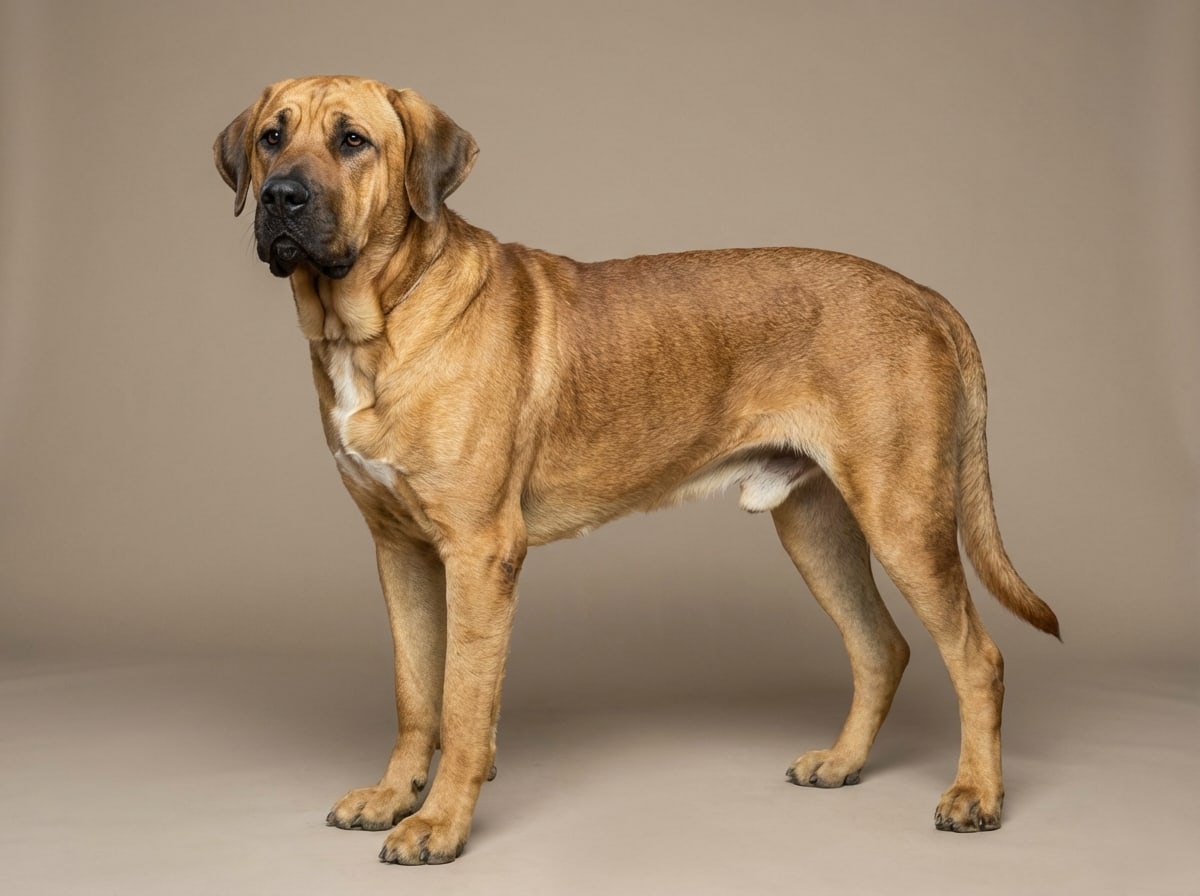
Boxerdoodles have a size range that is large, with adult males weighing between 27-36 kg and standing at 53-64 cm in height at the shoulder. Females typically weigh between 20-32 kg and stand at 51-61 cm. The Boxerdoodle's coat inherits the Poodle's thick, curly texture, which is often wavy and can be found in a variety of colors and patterns, including solid colors, parti-colors, and phantom patterns.
Boxerdoodles have a square-shaped head with a distinct "stop" at the brow, which is a characteristic of both parent breeds. They possess a deep, broad chest, strong muscles, and a short, smooth coat that can come in a variety of solid colors such as black, fawn, or white, as well as more complex patterns like parti-color or brindle.
The Boxerdoodle's eyes are typically brown, with a friendly and alert expression. Their ears are often folded forward, resembling the Boxer's ears, but may also have the Poodle's characteristic rise at the top of the ear.
Temperament and Personality
Boxerdoodles are known for their intelligent, playful, and energetic temperament. They are loyal and affectionate, making them great companions for families and individuals alike. Their friendly nature makes them well-suited to interacting with children and other pets, often displaying a gentle and protective demeanor.
Due to their intelligence, Boxerdoodles are highly trainable and can excel in obedience and agility training. They respond well to positive reinforcement training methods and enjoy the challenge of learning new tricks. Their social nature also makes them excellent in dog sports and activities that require teamwork and interaction.
Boxerdoodles can be a bit stubborn at times, so consistent training and a confident handler are beneficial for this breed.
Health Considerations
Boxerdoodles can inherit health conditions such as hip dysplasia, a genetic disorder that can cause pain and mobility issues. They may also be prone to other conditions such as von Willebrand's disease, which affects blood clotting, and Gastric Dilatation-Volvulus (GDV), commonly known as bloat. Additionally, Boxerdoodles may inherit Boxer disease, also known as Dementia pugilistica, which is a chronic brain injury caused by blows to the head, a trait that can be mitigated through careful breeding practices and by avoiding rough play that may lead to head trauma.
Responsible breeders often conduct genetic testing on their dogs to reduce the risk of hereditary diseases in the Boxerdoodle lineage.
Lifespan and Maintenance
Boxerdoodles have a lifespan of 10-14 years, which is average for a mixed breed dog.
Exercise is a critical component of Boxerdoodle care, as they have high energy levels. This breed may also benefit from mental stimulation activities such as puzzle toys or training sessions to keep their minds engaged.
Compatibility and Living Arrangements
Boxerdoodles do well in homes with a yard where they can run and play, as their high energy level requires ample physical activity. However, they are adaptable to various living environments, including apartments, as long as they receive the necessary exercise and mental stimulation.
Given their high energy and playfulness, Boxerdoodles are not ideal for elderly or sedentary owners. They require a family that is willing to invest time in training and exercise. Socialization is also crucial for this breed to ensure they are well-behaved and comfortable in a variety of situations.
Buying a Boxerdoodle
When considering buying a Boxerdoodle, look for breeders who prioritize the health and well-being of their dogs. A responsible breeder will provide a healthy environment for the puppies, maintain proper veterinary care for their breeding stock, and conduct genetic testing to reduce the risk of hereditary diseases.
Ask the breeder about the health history of the parents, including any known genetic disorders or medical conditions. Inquire about any genetic testing that has been conducted, such as testing for hip dysplasia, elbow dysplasia, and eye disorders. A reputable breeder will be open and honest about their breeding practices and will be willing to provide references from previous customers.
Additionally, consider the age of the puppies when purchasing. Younger puppies may require more training and care, while older dogs may be more settled and may come with a better understanding of their behavior and care requirements.
Frequently Asked Questions
What is the lifespan of the Boxerdoodle?
The average lifespan of the Boxerdoodle is about 10-14 years. Good nutrition and regular veterinary care support a healthy life.
What is the temperament of the Boxerdoodle?
The Boxerdoodle is known for: Intelligent, Playful, Energetic, Loyal, Friendly, Affectionate. Its energy level is high.
What size and weight is the Boxerdoodle?
It is a large dog, typically around Male: 27-36; Female: 20-32 kg as an adult.
Is the Boxerdoodle easy to care for?
Reliable grooming and shedding ratings are not available. Routine brushing, ear and dental care, and nail trims are still recommended.
Is the Boxerdoodle good with kids and other pets?
Reliable child- and pet-friendliness ratings are not available. Supervised, gradual introductions are recommended.
How much exercise does the Boxerdoodle need?
With a high energy level, it needs walks, play or training matched to its stamina.
Boxerdoodle
Trait Scores
N/A