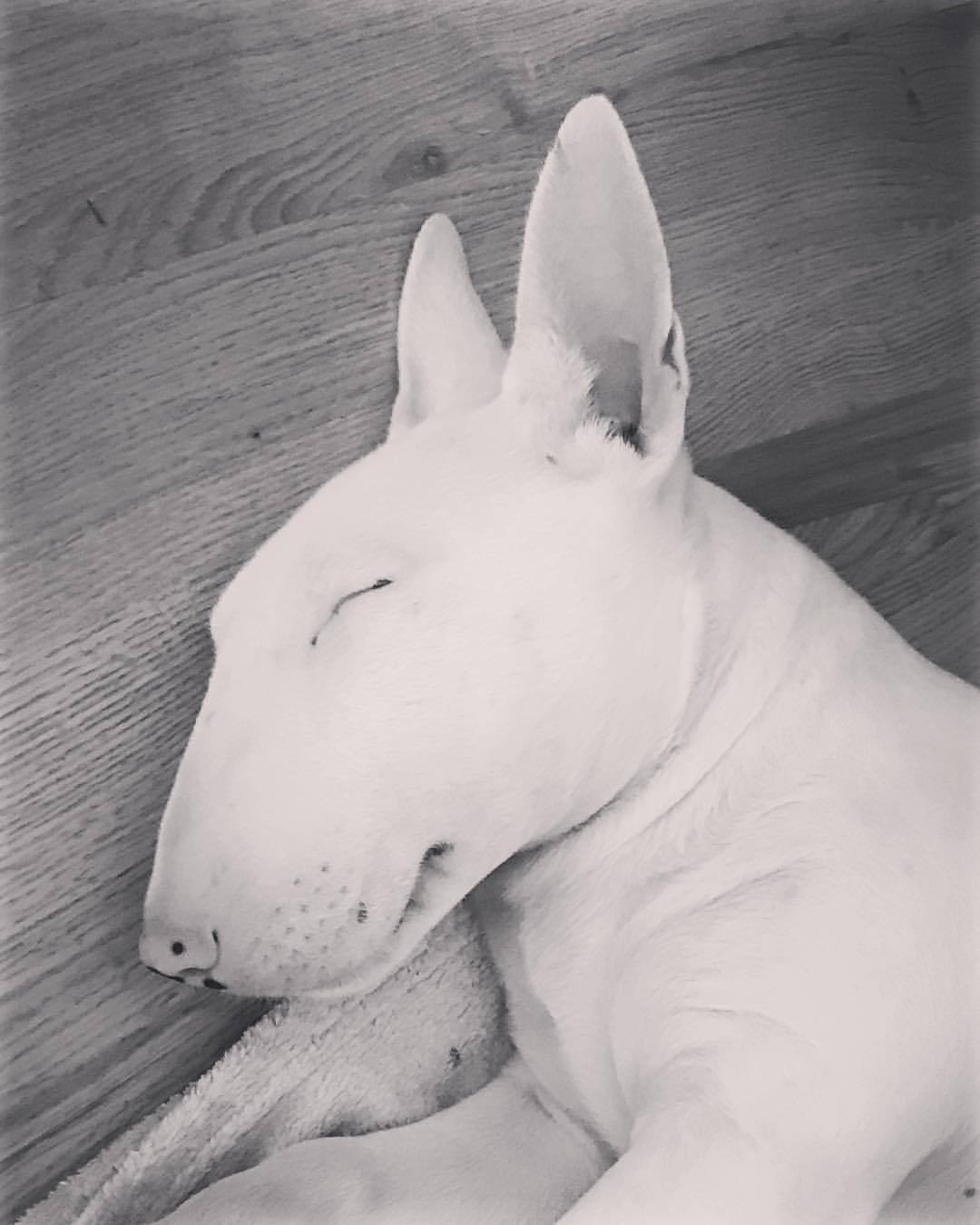
Origin and Breeder Purpose
The Boxer is a medium to large, short-haired dog breed of mastiff-type, developed in Germany. The breed originated in the late 19th century and was selectively bred for its strength, intelligence, and agility.
The breed was bred from the Old English Bulldog and the now extinct Bullenbeisser, a large, muscular dog used for bear hunting. The Bullenbeisser became extinct by crossbreeding rather than by a decadence of the breed, which means the breed was not allowed to interbreed with other breeds.
Boxers are a member of both The Kennel Club and American Kennel Club (AKC) Working Group, indicating their working breed origin. This group includes breeds that were originally bred for work, such as pulling carts, herding, or guarding.
Physical Appearance
The Boxer is known for its distinctive short-muzzled, flat face and short coat. This breed has a muscular body and a strong, robust structure, which is typical of working dogs.
They have a square muzzle, mandibular prognathism (an underbite), very strong jaws, and a powerful bite, ideal for hanging on to large prey. This bite force is one of the highest among dog breeds, reaching up to 55 pounds of pressure.
The coat is smooth and tight-fitting, with recognized colors being fawn or brindled, often with white markings. The fawn color ranges from a light cream to a deep red, while brindle is a mix of black and brown stripes. The white markings, known as "flash," can extend onto the neck, face, chest, legs, and underbelly.
Temperament and Behavior
Boxers are known for their fun-loving, bright temperament and expressive face, which is often described as having a "smiling" expression. This breed combines energy with loyalty and is highly devoted to its family.
They are playful, energetic, loyal, intelligent, friendly, and alert. Boxers are known for their protective nature, often forming strong bonds with children and other pets in the household.
Boxers tend to be very good with children, patient and spirited, but also protective. They are known to be great family pets due to their friendly and outgoing nature.
Life Span and Size
The life span of a Boxer is typically 10-12 years, which is slightly shorter than the average life span of most dog breeds. This shorter lifespan is partly due to the breed's susceptibility to certain health issues.
Adult male Boxers weigh between 29-36 kg (64-79 lbs), while females weigh between 23-29 kg (51-64 lbs). Male Boxers stand at a height of 58-64 cm (23-25 in), and females at 55-60 cm (22-24 in). Despite their large size, Boxers are surprisingly agile and can move quickly and gracefully.
Health Considerations
Boxers are prone to certain health issues, including cancers, heart conditions such as aortic stenosis and arrhythmogenic right ventricular cardiomyopathy (Boxer cardiomyopathy), hypothyroidism, hip dysplasia, and degenerative myelopathy.
They may also suffer from gastric dilatation volvulus (bloat), a life-threatening condition where the stomach fills with gas and twists, causing severe pain and potentially fatal consequences. Intestinal problems and allergies are also common in Boxers.
White Boxers have a higher risk of sunburn and associated skin cancers due to their excessive white markings, which lack the natural pigmentation that protects the skin from UV rays.
Coat and Colors
The Boxer is a short-haired breed with a smooth coat that lies tight to the body.
Recognized colors are fawn and brindle, frequently with white markings, which are called "flash" and often extend onto the neck or face. The white markings are a result of the breed's genetic makeup and are a distinguishing feature of the Boxer.
Boxers that appear black are actually heavily brindled, with the fawn color completely sealed out by the black striping. This unique coloration is a result of the breed's genetic heritage and is a characteristic that sets Boxers apart from other breeds.
History and Recognition
The first Boxer club was founded in 1895 in Germany, and the breed quickly gained popularity. Boxers first exhibited in a dog show for St. Bernards in Munich the next year, marking the beginning of their competitive history.
Based on 2013 AKC statistics, Boxers held steady as the seventh-most popular breed of dog in the United States for the fourth consecutive year. This popularity has remained consistent over the years, with Boxers consistently ranking among the top 10 most popular breeds.
Today, the Boxer is the 11th-most popular dog breed in the United States, according to the AKC's website. This recognition reflects the breed's versatility, temperament, and enduring appeal to dog lovers worldwide.
Buying a Boxer
Be prepared for the cost of owning a Boxer, which includes food, vet care, grooming, and training. The initial cost of purchasing a Boxer can range from $500 to $1500, depending on the breeder and the dog's lineage.
Ensure that your household is suitable for a Boxer's energy levels and that you can provide the necessary exercise and mental stimulation. Boxers require daily exercise, such as walks, runs, or playtime, to keep them healthy and happy.
Training is also essential for Boxers, as they can be strong-willed and may require consistent, positive reinforcement.
Frequently Asked Questions
What is the lifespan of the Boxer?
The average lifespan of the Boxer is about 10-12 years. Good nutrition and regular veterinary care support a healthy life.
What is the temperament of the Boxer?
The Boxer is known for: Playful, Energetic, Loyal, Intelligent, Friendly, Alert. Its energy level is high.
What size and weight is the Boxer?
It is a large dog, typically around Male: 29-36; Female: 23-29 kg as an adult.
Is the Boxer easy to care for?
Reliable grooming and shedding ratings are not available. Routine brushing, ear and dental care, and nail trims are still recommended.
Is the Boxer good with kids and other pets?
Reliable child- and pet-friendliness ratings are not available. Supervised, gradual introductions are recommended.
How much exercise does the Boxer need?
With a high energy level, it needs walks, play or training matched to its stamina.
Boxer
Trait Scores
N/A



