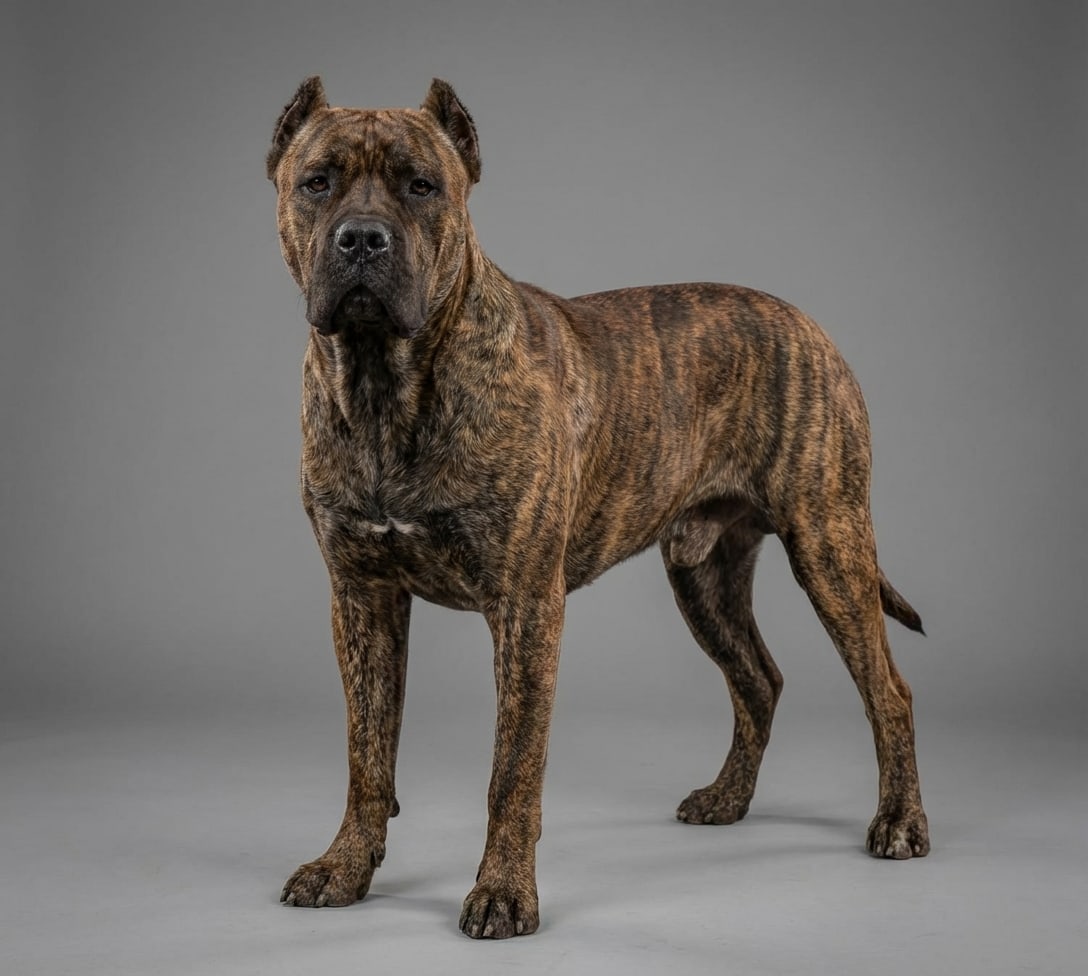
Origin and History
The Borzoi, also known as the Russian Hunting Sighthound, originated in Russia during the sixteenth century. This breed was developed by crossing Saluki and European sighthounds with thick-coated Russian breeds. Historically, Borzois were named through descriptive terms, with "borzoi" being the masculine singular form of an archaic Russian adjective meaning 'fast'. The breed gained popularity with the Tsars before the 1917 Russian Revolution, and Borzois were not sold but rather gifted by the Tsar. Grand Duke Nicholas Nicolaievich of Russia bred countless Borzois at his private estate, Perchino, which became the epicenter of the breed. The Fédération Cynologique Internationale officially recognized the Russkaya Psovaya Borzaya, the modern name for the Borzoi, in 1956.
Until 1936, the breed was known as the Russian Wolfhound, reflecting its historical use for wolf hunting. The Borzoi's elegant and aristocratic bearing, along with its grace and speed, made it a favored companion of Russian nobility, including Empress Catherine the Great.
Appearance and Coat
Borzois are large, elegant sighthounds with a distinctive silky and flat coat that is often wavy or slightly curly. The top-coat is flat and varies in waviness or curling, while the soft undercoat thickens in winter or cold climates and sheds in hot weather to prevent overheating. This coat texture and distribution are unique to the Borzoi. The breed has a frill on its neck and feathering on its hindquarters and tail. A notable feature is the Borzoi's long snout, likely inherited from Greyhound ancestry. The coat comes in a variety of colors, including fawn, black, blue, red, and brindle, each with different patterns and markings that contribute to the breed's visual appeal.
Male Borzois typically stand at 71-81 cm tall and weigh between 34-48 kg, while females are slightly smaller, standing at 66-76 cm and weighing 27-39 kg. These dimensions highlight the Borzoi's large size and robust build, which are characteristic of sighthounds. The breed's skeletal structure, with long legs and a deep chest, is designed for speed and endurance, traits that are still highly valued in today's competitive dog sports.
Temperament and Behavior
The Borzoi is known for its gentle, independent, calm, intelligent, and affectionate temperament. While they are affectionate and athletic, Borzois can be selective learners and may become bored with repetitive activities. This selective learning nature means they can be difficult to motivate, but with sufficient training, they can excel in competitive obedience and agility trials, where their intelligence and trainability shine. Their intelligence also makes them adaptable to various environments and tasks, though their natural hunting instincts may lead them to chase small animals if not properly trained.
Despite their large size and powerful build, Borzois have a relatively low energy level, which makes them suitable for owners who prefer a more relaxed lifestyle. Their moderate shedding and gentle nature make them a good fit for families with allergies, although they are not considered hypoallergenic. However, potential owners should be aware that Borzois may exhibit signs of separation anxiety if left alone for extended periods, so they are best suited for homes where someone is home during the day.
Health Considerations
Like other large breeds, Borzois are predisposed to developing gastric dilatation volvulus (GDV), a serious condition where the stomach twists. A 2020 study identified an association between GDV in Borzois and RNA Binding Motif Protein 26 (RBM26), although the significance of this association is not yet fully understood. Owners should be vigilant for signs of GDV, such as bloating, restlessness, and a distended abdomen, and seek immediate veterinary care if any symptoms are observed.
Additionally, a study on echocardiographs of clinically healthy Borzois found that 53.8% of the dogs had heart murmurs, 30.2% had trace or mild mitral regurgitation, 36.1% had mild tricuspid regurgitation, and 14.4% had cardiac disease.
Borzois are also prone to other health conditions, such as hip dysplasia, elbow dysplasia, and entropion, which can affect mobility and comfort.
Life Expectancy and Longevity
The average life expectancy of a Borzoi is 9-14 years. A 2024 UK study on a sample size of 43 Borzois found an average life expectancy of 12 years, which is slightly lower than the average for purebreds (12.7 years) and mongrels (12 years). This indicates that while the Borzoi is a robust breed, there are factors that can influence its longevity, such as genetics, environment, and health care.
Factors such as breeding practices, diet, exercise, and access to veterinary care all play a role in determining an individual Borzoi's lifespan.
Buying a Borzoi: A Practical Checklist
- Research reputable breeders who prioritize health and temperament, and who have a history of breeding healthy, well-adjusted Borzois.
- Be prepared for the initial cost of purchasing a Borzoi, which can vary but may exceed $1,000. This price can include the cost of the dog itself, as well as transportation and initial veterinary care.
- Be ready for the ongoing costs of grooming, including regular baths, occasional stripping to maintain the coat's condition, and potential professional grooming services, which can be expensive due to the breed's unique coat.
- Be aware of the potential for unexpected veterinary expenses due to health conditions specific to the breed.
Cost Realism and Household Matching
The Borzoi's large size and specific dietary needs should also be considered when planning for costs. High-quality food, appropriate exercise, and potential specialty veterinary care can add to the overall cost of owning a Borzoi.
Households should match the Borzoi's temperament and energy level. This breed is not suitable for first-time dog owners or those looking for a low-maintenance pet. Families with children should ensure their children are old enough to understand how to interact safely with a large, energetic dog. Borzois can be great companions for families with older children, but their independent nature means they may not be as patient with very young children.
Additionally, Borzois are sensitive to heat and can become overheated, so living in a climate with moderate temperatures is often recommended.
Frequently Asked Questions
What is the lifespan of the Borzoi?
The average lifespan of the Borzoi is about 9-14 years. Good nutrition and regular veterinary care support a healthy life.
What is the temperament of the Borzoi?
The Borzoi is known for: Gentle, Independent, Calm, Intelligent, Affectionate. Its energy level is low.
What size and weight is the Borzoi?
It is a large dog, typically around Male: 34-48; Female: 27-39 kg as an adult.
Is the Borzoi easy to care for?
Reliable grooming and shedding ratings are not available. Routine brushing, ear and dental care, and nail trims are still recommended.
Is the Borzoi good with kids and other pets?
Reliable child- and pet-friendliness ratings are not available. Supervised, gradual introductions are recommended.
How much exercise does the Borzoi need?
With a low energy level, it needs walks, play or training matched to its stamina.
Borzoi
Trait Scores
N/A