Origin and History
The Border Terrier, a small, rough-coated terrier, originated from the border regions between England and Scotland. This breed shares its ancestry with the Dandie Dinmont Terrier and the Bedlington Terrier, both from the same area. Traditionally used in fox-hunting, Border Terriers worked alongside the Border Hunt in Northumberland. Recognized by The Kennel Club in Great Britain in 1920 and by the American Kennel Club in 1930, the breed was officially established.
Initially known as the Coquetdale Terrier or Redesdale Terrier, the name "Border Terrier" became prevalent by the late 1800s. The Border Terrier Club was formed in the same year as the breed's recognition by the Kennel Club, with the primary purpose of bolting foxes that had gone to ground. The first Border Terrier registered by the Kennel Club was The Moss Trooper, sired by Jacob Robson's Chip, in 1912. This historic event marked the beginning of the breed's formal registry and its journey to recognition.
In 2006, the Border Terrier ranked 81st in number of registrations by the American Kennel Club, while in the United Kingdom, it ranked tenth. By 2008, its popularity had surged, ranking eighth in registrations by the UK Kennel Club. A 2024 UK study found a life expectancy of 14.2 years for the breed, higher than the average for purebreds and crossbreeds, reflecting the breed's robust health and increasing popularity.
Border Terriers have a long and storied history that has been closely tied to their role in fox-hunting. Their agility and tenacity made them invaluable to hunters, and their heritage is evident in their strong, athletic build and keen hunting instincts.
Physical Characteristics
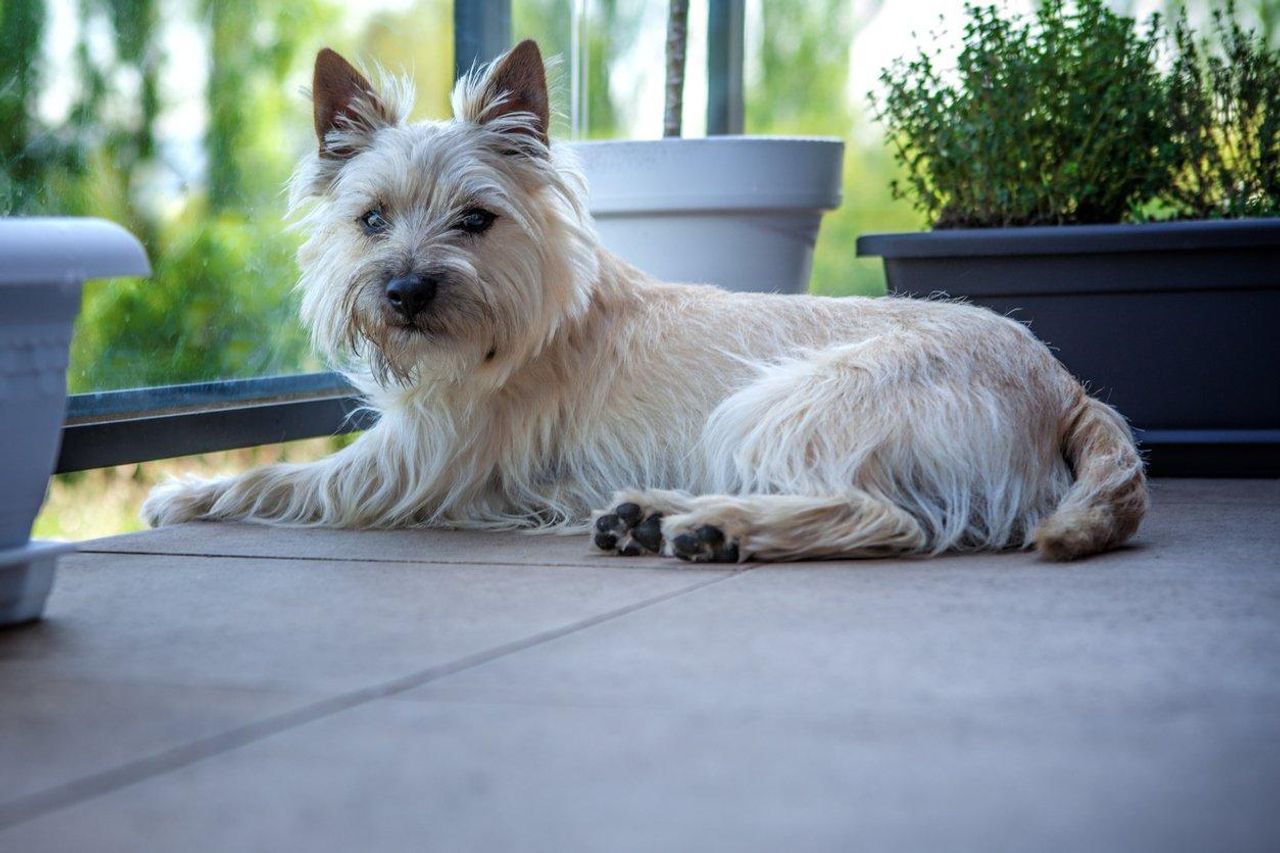
Border Terriers are small, sturdy working terriers with a weather-resistant wiry coat. They have a distinctive otter-like head, bred for fox hunting. Males typically stand 33 to 41 cm at the shoulder and weigh 5.9 to 7.0 kg, while females are slightly smaller, standing 28 to 36 cm and weighing 5.2 to 6.4 kg. Their broad skull, moderately short muzzle, and strong teeth are characteristic of the breed, indicating their hunting background.
The V-shaped ears are on the sides of the head and fall towards the cheeks, a trait that can vary slightly among individuals. Common coat colors include grizzle-and-tan, blue-and-tan, red, or wheaten, each with its own coat texture and sheen. The whiskers are few and short, and the tail is moderately short, thick at the base and tapering to a fine tip. Their double coat consists of a short, dense, soft undercoat and a harsh, wiry outer coat that is weather- and dirt-resistant, providing protection against harsh hunting conditions.
The Border Terrier's coat may require more intensive care in wet weather or after exposure to salt or mud, which can make the coat more prone to mats and tangles.
Temperament and Personality
Border Terriers are affectionate, intelligent, alert, energetic, courageous, and adaptable. They have a plucky and affectionate nature, making them great companions for individuals or families. This breed is known for being playful and lively, which can be a delightful trait for those seeking a dynamic and engaging pet.
While they are energetic and bold, Border Terriers are also adaptable, which makes them suitable for various living situations, from rural homes to urban apartments. Their intelligence and trainability make them responsive to training, although they can be independent and may require consistent, firm handling to maintain good behavior.
Breeder Purpose and Working Traits
Bred as a terrier, the Border Terrier's original purpose was to bolt foxes that had gone to ground during fox-hunting. Their small size allowed them to crawl into burrows and chase out foxes, providing hunters with a clear shot. They were also used to kill rodents and have been employed in hunting otters and badgers, demonstrating their versatility and hunting prowess.
Border Terriers have long legs to keep up with the horses and other foxhounds that traveled with them, and their small bodies enable them to navigate through burrows with ease. This adaptability and agility were key traits that made them highly effective in their working role.
Health Considerations
A 2024 UK study found a life expectancy of 14.2 years for the breed, which is higher than the average for purebreds. However, they are predisposed to gall bladder disease, being 86.48 times more likely to acquire gall bladder mucocele and 28.7 times more likely to acquire other forms of gall bladder disease compared to other dogs. Neutrophilic cholangitis is also a concern, with the breed being 12.07 times more likely to acquire it. These conditions require vigilant health monitoring and may necessitate special diets or medical interventions.
Other health issues that may affect Border Terriers include exocrine pancreatic insufficiency, a condition that affects the pancreas's ability to produce digestive enzymes; Legg-Calvé-Perthes disease, a developmental disorder of the hip joint that can cause pain and lameness; and Collie Eye Anomaly, an inherited disorder of the eyes that can lead to vision problems.
Registration and Popularity
The Border Terrier was officially recognized by The Kennel Club in Great Britain in 1920 and by the American Kennel Club in 1930. This recognition marked a significant milestone for the breed, solidifying its place among the world's most recognized dog breeds. In 2006, the breed ranked 81st in number of registrations by the AKC, while in the United Kingdom, it ranked tenth. By 2008, its popularity had increased, ranking eighth in registrations by the UK Kennel Club, reflecting its growing appeal to dog enthusiasts.
These rankings reflect the breed's growing popularity and its status as a recognized and respected dog breed. The Border Terrier's unique characteristics and temperament continue to attract dog enthusiasts and owners alike, making it a popular choice for those seeking a spirited and intelligent companion.
Buying a Border Terrier: A Practical Checklist
- Ensure the dog comes from a reputable breeder who can provide health clearances, including results from genetic testing for conditions specific to the breed, such as gall bladder disease and Legg-Calvé-Perthes disease.
- Be ready for the commitment of owning a Border Terrier, including proper training, grooming, and socialization to ensure a well-rounded and well-behaved dog.
- Research the breed's history and temperament to understand their hunting instincts and ensure you can provide the mental and physical stimulation they require.
- Plan for the costs associated with veterinary care, grooming, and training, as these will be ongoing expenses throughout the dog's life.
By carefully considering these factors, you can ensure a successful and fulfilling experience with a Border Terrier, a breed that combines a rich history with a loving, energetic, and intelligent personality.
Frequently Asked Questions
What is the lifespan of the Border Terrier?
The average lifespan of the Border Terrier is about 12-15 years. Good nutrition and regular veterinary care support a healthy life.
What is the temperament of the Border Terrier?
The Border Terrier is known for: Affectionate, Intelligent, Alert, Energetic, Courageous, Adaptable. Its energy level is high.
What size and weight is the Border Terrier?
It is a medium-sized dog, typically around Male: 6-7; Female: 5-6.5 kg as an adult.
Is the Border Terrier easy to care for?
Reliable grooming and shedding ratings are not available. Routine brushing, ear and dental care, and nail trims are still recommended.
Is the Border Terrier good with kids and other pets?
Reliable child- and pet-friendliness ratings are not available. Supervised, gradual introductions are recommended.
How much exercise does the Border Terrier need?
With a high energy level, it needs walks, play or training matched to its stamina.
Border Terrier
Trait Scores
N/A