Origin and Recognition
The Blue Picardy Spaniel, known as Épagneul Bleu de Picardie, has its origins in the Picardy region of France, specifically around the mouth of the River Somme. This breed originated at the turn of the 20th century, with the first documented breeding occurring around 1900. It is descended from Picardy Spaniels and English Setters, which were crossbred to enhance certain traits such as hunting ability and temperament. It was not until 1938 that the Blue Picardy Spaniel was officially recognized as a separate breed in France, although it had been known locally for some time. The breed is recognized by several kennel clubs, including the Fédération Cynologique Internationale, the Canadian Kennel Club, the Société Centrale Canine, and the United Kennel Club. Although not yet recognized by the American Kennel Club, registration services are available through the AKC's Foundation Stock Service, which provides a registry for the breed's pedigrees.
It is worth noting that the Blue Picardy Spaniel is more prevalent in France and Canada, where it has found a strong following and recognition. The breed has been particularly popular in hunting communities due to its exceptional hunting abilities and adaptable temperament.
Appearance and Physical Characteristics
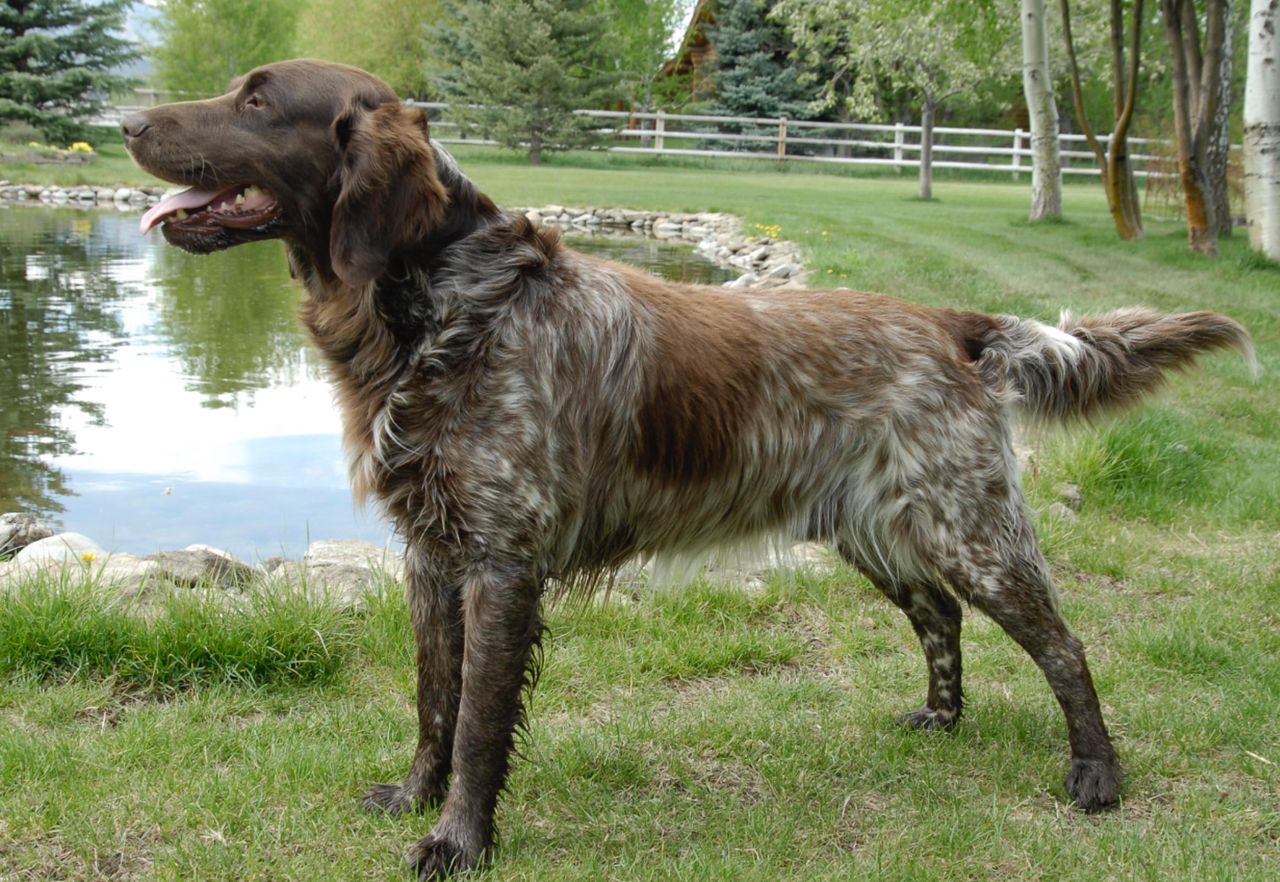
On average, a Blue Picardy Spaniel stands at a height of 56 to 61 cm (22 to 24 inches) at the withers and weighs between 20 to 22 kg (43 to 45 pounds). The breed is medium-sized and strongly built, with a distinctive blue-gray roan speckled coat that gives it a bluish appearance. This coat is flat or slightly wavy and features feathering on the ears, legs, underside, and tail. The breed has strong, muscular legs and a long, broad muzzle. The ears are thick and covered in silky hair, typically ending around the tip of the muzzle. The chest is of medium size and descends down to the same level as the elbows. Both the forequarters and hindquarters are well-muscled, and the tail is typically straight and does not extend beyond the hock. The coat color, a result of the introduction of English Setter blood into the Picardy Spaniel population, is a significant distinguishing feature, as it is a black and grey coat, which was officially classified as a French Spaniel in 1904.
The breed's physical characteristics are carefully maintained to ensure it remains suitable for its intended roles, which include hunting and companionship.
Temperament and Behavior
The Blue Picardy Spaniel is known for its gentle temperament and is considered a quiet breed. Despite its quiet nature, it requires a significant amount of exercise due to its high level of stamina, which can lead to potential overexertion. This breed loves to play and is responsive and obedient, making it a great companion for those who enjoy outdoor activities. The breed's intelligence and calm demeanor make it highly trainable, which is a valuable trait for a sporting dog. Its devotion to its human companions is evident in its attachment and willingness to please, making it a loyal and affectionate family pet.
The Blue Picardy Spaniel's temperament also includes a natural hunting instinct, which requires careful handling and training to ensure it is directed towards appropriate behaviors, especially in areas with wildlife and domestic animals.
History and Development
The history of the Blue Picardy Spaniel is closely tied to the hunting traditions of the Picardy region. The breed was developed to be a versatile gundog, capable of hunting a variety of game. At the turn of the 20th century, British shooters would board their dogs in the Picardy area due to quarantine restrictions in the United Kingdom. This resulted in the infusion of English Setter blood into the local Spaniel population, leading to the development of the Blue Picardy Spaniel. The first black, blue-grey Spaniel was recorded in 1875, and the breed was officially shown at the Paris Canine Exposition in 1904, marking a significant moment in its recognition and development.
The breed's development was furthered by breeders who carefully selected dogs with the desired traits, resulting in a breed that excels both in the field and as a family pet.
Health Considerations
Like all breeds, the Blue Picardy Spaniel can be prone to certain health conditions. Common concerns include hip dysplasia, a genetic condition that affects the hip joint and can cause pain and lameness in dogs. Additionally, eye issues such as progressive retinal atrophy and cataracts are seen in the breed, which can lead to vision loss if not detected and treated early. Epilepsy may also occur in Blue Picardy Spaniels, affecting their seizure disorder. Owners should be aware of these potential health issues and discuss them with a veterinarian, who can provide advice on management and prevention strategies.
Breeding practices that screen for genetic disorders and promote healthy breeding can also help reduce the incidence of these conditions in the breed.
Breeding and Registration
The Blue Picardy Spaniel is a sporting breed, bred for its hunting abilities and gentle temperament. While the breed is not yet recognized by the American Kennel Club, it is registered through the AKC's Foundation Stock Service, which allows for the tracking of pedigrees and the promotion of the breed. Breeders who specialize in the Blue Picardy Spaniel are committed to maintaining the breed's standards and ensuring that each dog meets the criteria for the breed. This includes evaluating the dog's appearance, temperament, and working ability. Breeders often participate in performance tests to ensure their dogs are suitable for the breed's intended roles.
Registration through the AKC's Foundation Stock Service is a key step for breeders looking to promote the breed and maintain a registry of pedigreed Blue Picardy Spaniels. It allows for the tracking of lineage and helps preserve the breed's characteristics over time.
Living with a Blue Picardy Spaniel
Living with a Blue Picardy Spaniel requires an understanding of its needs and characteristics. The breed's high level of energy and stamina requires daily physical activity, such as walks, runs, and play sessions, to keep it happy and healthy. Training and socialization are also essential, as they help develop the dog's obedience and ensure it is well-behaved in various environments.
A securely fenced yard can help prevent accidental escapes and provide a safe space for the dog to explore and exercise.
Buying Checklist and Cost Realism
- Visit the puppy and observe its temperament, health, and environment.
- Prepare for the initial costs of purchasing a Blue Picardy Spaniel, including the purchase price, vaccinations, and spaying or neutering. The purchase price can vary, but it is generally expected to be between $1,000 and $2,000.
- Be prepared for ongoing costs such as food, grooming, and veterinary care. Annual veterinary check-ups, vaccinations, and routine preventative care are also important expenses.
- Assess your lifestyle and home environment to ensure they are suitable for a Blue Picardy Spaniel. The breed requires space for exercise and a family-oriented environment that allows for regular physical activity and interaction.
Proper planning can help ensure that the dog receives the necessary care and attention to thrive.
Frequently Asked Questions
What is the lifespan of the Blue Picardy Spaniel?
The average lifespan of the Blue Picardy Spaniel is about 10-14 years. Good nutrition and regular veterinary care support a healthy life.
What is the temperament of the Blue Picardy Spaniel?
The Blue Picardy Spaniel is known for: Gentle, Intelligent, Calm, Devoted, Affectionate. Its energy level is low.
What size and weight is the Blue Picardy Spaniel?
It is a large dog, typically around 19.5-22.7 kg as an adult.
Is the Blue Picardy Spaniel easy to care for?
Reliable grooming and shedding ratings are not available. Routine brushing, ear and dental care, and nail trims are still recommended.
Is the Blue Picardy Spaniel good with kids and other pets?
Reliable child- and pet-friendliness ratings are not available. Supervised, gradual introductions are recommended.
How much exercise does the Blue Picardy Spaniel need?
With a low energy level, it needs walks, play or training matched to its stamina.
Blue Picardy Spaniel
Trait Scores
N/A