Origin and Historical Background
The Black Norwegian Elkhound, known as Norwegian Elghund Sort in Norwegian, is a small Spitz breed that originated from the local spitz dog population in the border areas between Norway and Sweden. This breed has been recognized as its own distinct breed since the mid-19th century. The name "Elkhound" is derived from the original Norwegian name "Elghund," which translates to "elk dog" or "moose dog," reflecting its historical role in hunting these large game animals. The breed was mentioned in literature by Welshman Llewelyn Lloyd in 1828, who was impressed by two black Elkhounds he borrowed during a bear hunting trip near the border areas between Norway and Sweden.
Historically, the Black Norwegian Elkhound was on the brink of extinction but has since retained its utility properties and characteristic appearance. The breed has seen a stable number of litters and offspring over the past 20 years, with increasing demand for black elkhounds. In 1996, the Norwegian Elkhound became recognized by the United Kennel Club, and in 2006, it was recognized by the American Kennel Club.
The breed's development has been influenced by its hunting heritage, which required a dog that could endure harsh weather conditions and perform effectively on-leash. This heritage has shaped the breed's physical characteristics and temperament, making it a versatile hunting dog and a loyal family companion. The breed's adaptability has also contributed to its popularity in various roles, from hunting to companionship.
Physical Description
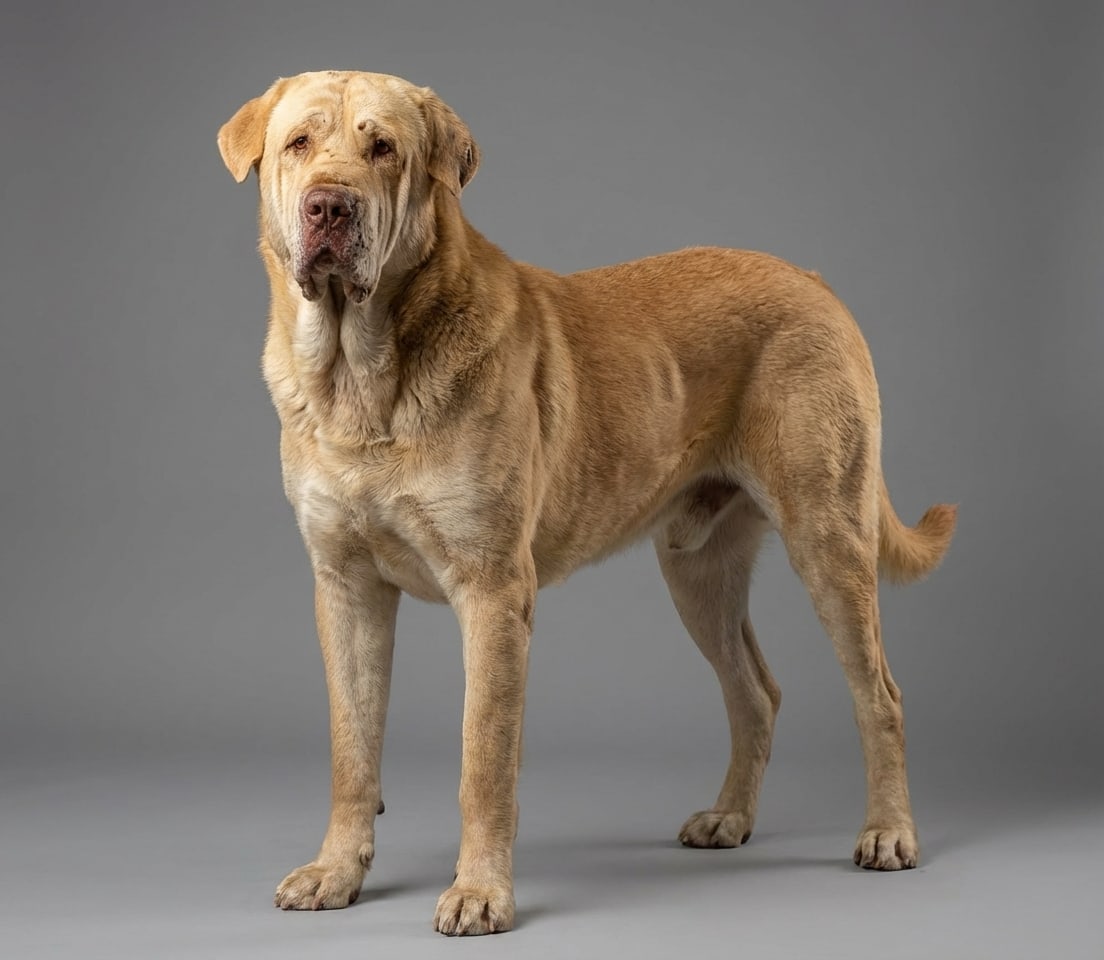
The Black Norwegian Elkhound is a medium-sized spitz-type hunting dog with a robust, compact build. It has a solid black double coat that is dense, short, thick, and coarse. The coat's importance lies in its ability to protect the dog from heavy rain and cold weather, essential for its all-weather hunting capabilities. The dog stands between 40 and 51 centimeters (16"–20") tall, with males typically measuring 47 cm (+3/-4) and females 44 cm (+3/-4) at the withers. Males weigh between 20-25 kg, while females weigh between 18-23 kg.
The breed has a typical Spitz breed appearance with dark eyes, ears standing straight up, and a curly tail carried over the back. The coat is smooth on the head and front of the legs, while it is denser and smoother on the chest, neck, thighs, back of the front legs, and underside of the tail. The fur is formed by longer wispy cover hairs and a soft black undercoat. The breed's color standard dictates that the coat must be a rich, dark black, without any white or light-colored markings.
Temperament and Behavior
The Black Norwegian Elkhound is an energetic, courageous, and alert breed with a confident demeanor. It is known for its loyalty and independence, making it a suitable companion for those who appreciate a dog that is both willing to please and capable of making its own decisions.
This breed is highly intelligent and enjoys physical contact with humans. It is a family-oriented dog that prefers to be near its family members at all times. Its alertness and quiet nature make it an excellent hunting dog, capable of silently tracking game and providing hunters with a precise shot opportunity. The breed's strong hunting instincts can make it prone to chasing wildlife, so owners should be prepared for potential incidents.
Its low barking tendency and calm demeanor during hunting make it an ideal choice for those seeking a quiet and well-behaved pet. The Black Norwegian Elkhound is also known for its protective nature, making it a good watch dog. However, its temperament can be sensitive, and harsh training methods can lead to behavioral issues.
Health and Genetics
The Black Norwegian Elkhound is a relatively healthy breed, but like all breeds, it is prone to certain genetic health issues. To prevent inbreeding, the Norwegian kennel club has implemented a 5% rule, which limits each male dog to no more than 40 registered offspring. The breed is also subject to genetic testing for hereditary glaucoma and ataxia, with the Norwegian breeding committee currently approving only matings where one of the dogs is free of hereditary glaucoma. Hip displasia status is also a requirement for all breeding dogs, with statistics showing that 83.2% of Norwegian Elghund Sort are free from hip displasia type F over the last 10 years.
Other health concerns that may affect the Black Norwegian Elkhound include elbow dysplasia, which affects the dog's ability to move freely, and cataracts, which can lead to vision problems.
Training and Exercise Needs
The Black Norwegian Elkhound requires moderate grooming, with a recommendation to brush the coat two or three times a week. The dense and stiff fur should be maintained in good condition to ensure the dog's comfort and appearance. While the breed is not considered hypoallergenic, its coat is smooth and relatively easy to care for, making it a suitable choice for those with allergies.
Exercise is an essential part of the Black Norwegian Elkhound's care. This energetic breed requires regular physical activity to stay healthy and happy. Mental stimulation, such as training exercises and puzzle toys, is also important to keep the breed's intelligence engaged.
Breed-Specific Challenges
Due to its hunting heritage, the Black Norwegian Elkhound may exhibit some breed-specific challenges. The breed is known for its strong prey drive, which can lead to chasing small animals. Additionally, the breed's high energy levels and independent nature can make training more challenging.
As with any breed, the Black Norwegian Elkhound may also experience separation anxiety if left alone for extended periods.
Buying a Black Norwegian Elkhound
- Visit the breeder in person to see the living conditions of the dogs.
- Ask about the dog's health history and genetic testing results.
- Request to meet the parents of the puppy to assess their temperament and appearance.
- Ask about the breeder's experience and knowledge of the breed.
- Ensure the breeder is a member of a recognized kennel club and adheres to breeding standards.
Remember that owning a Black Norwegian Elkhound is a commitment that requires time, effort, and resources. Potential owners should be prepared to provide a stimulating and active lifestyle to ensure the dog's happiness and well-being.
Frequently Asked Questions
What is the lifespan of the Black Norwegian Elkhound?
The average lifespan of the Black Norwegian Elkhound is about 12-15 years. Good nutrition and regular veterinary care support a healthy life.
What is the temperament of the Black Norwegian Elkhound?
The Black Norwegian Elkhound is known for: Energetic, Courageous, Alert, Independent, Loyal, Confident. Its energy level is high.
What size and weight is the Black Norwegian Elkhound?
It is a large dog, typically around Male: 20-25; Female: 18-23 kg as an adult.
Is the Black Norwegian Elkhound easy to care for?
Reliable grooming and shedding ratings are not available. Routine brushing, ear and dental care, and nail trims are still recommended.
Is the Black Norwegian Elkhound good with kids and other pets?
Reliable child- and pet-friendliness ratings are not available. Supervised, gradual introductions are recommended.
How much exercise does the Black Norwegian Elkhound need?
With a high energy level, it needs walks, play or training matched to its stamina.
Black Norwegian Elkhound
Trait Scores
N/A