Origin and History
The Billy breed originated in the Haut-Poitou region of France, specifically in Poitou, which is located in the western part of the country. The breed was developed in the 19th century by Monsieur Gaston Hublot de Rivault Taco, who named the breed after his home, Château de Billy. The Billy was created by combining three original strains of the Poitevin: the Montemboeuf, Ceris, and Larrye. De Rivault was particularly drawn to the paler colors associated with the Montemboeuf and Ceris lines, which became a key factor in selecting breeding stock. The breed faced near extinction after the dispersal of its packs in 1927 and the loss of almost all hounds during World War II. However, the breed was revived by de Rivault's son, Anthony, who judiciously used the Poitevin, Porcelaine, and Harrier breeds to restore the Billy.
The Billy also played a foundational role in the development of the Grand Anglo-Français Blanc et Orange in the late 19th century. Today, the breed remains rare, with only a few hundred individuals worldwide. Several packs are still in existence, and they are primarily used for hunting roe deer and wild boar, showcasing their hunting prowess.
Physical Characteristics
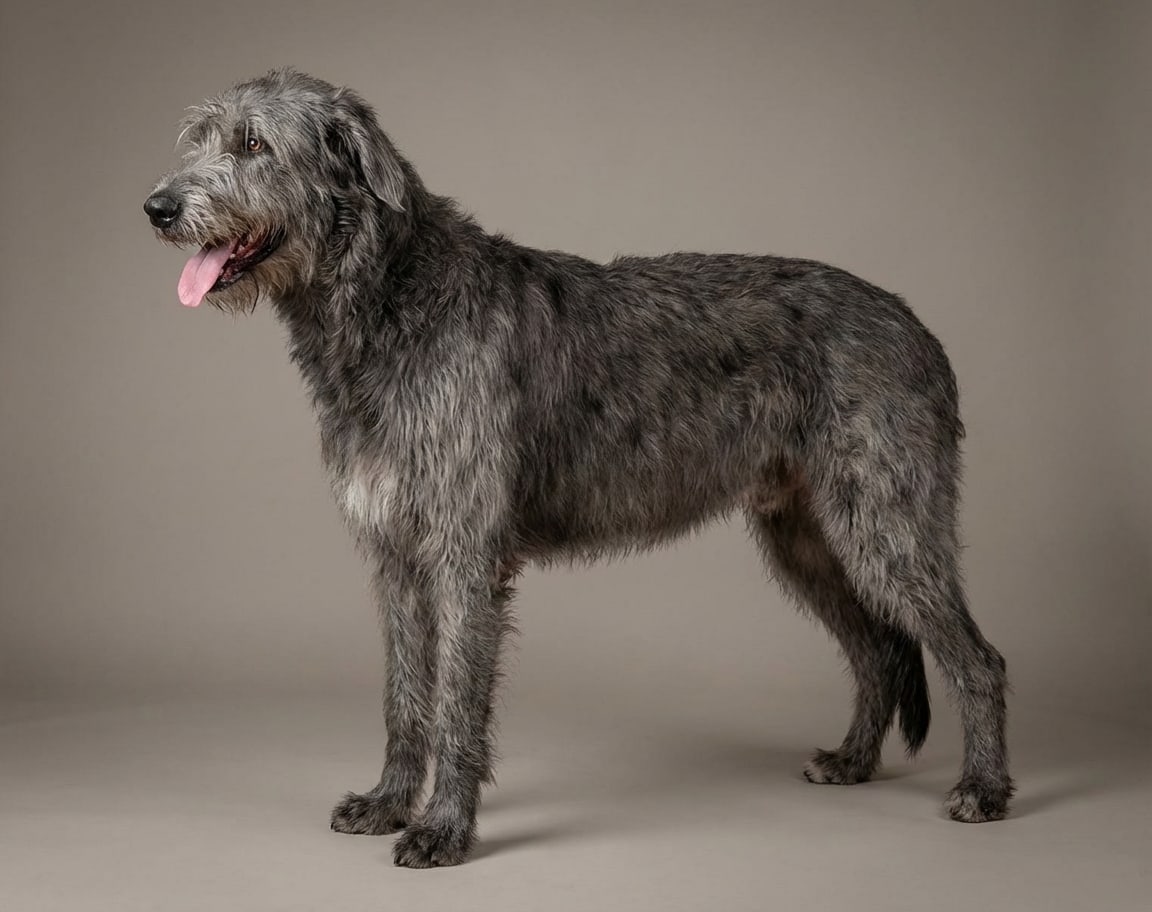
The Billy is a large, elegant scent hound with a predominantly white coat, often featuring orange or lemon markings on the head and body. The coat is short, smooth, and somewhat harsh to the touch, which is typical of scent hounds. Males typically weigh between 25-33 kg (55-72 lbs) and stand at 60-70 cm (2 ft 3 in) at the shoulder, while females weigh between 23-30 kg (51-66 lbs) and stand at 58-66 cm (2 ft). The breed's light-framed build is indicative of its pack hunting heritage, where speed and stamina were crucial for its role in hunting.
The FCI standard for the breed suggests that the Billy should exhibit an easy gallop in its movement, reflecting its hunting instincts and agility.
Temperament and Personality
The Billy is known for its energetic and intelligent temperament. This breed is courageous and gentle, often forming strong bonds with its owners. However, they are also independent by nature, which can make training and socialization a challenge. This independence can sometimes lead to a stubbornness that requires a firm but gentle hand in training.
They are generally friendly towards other dogs and can adapt well to different living situations, provided they receive adequate exercise and attention. This adaptability makes them a suitable choice for many families and individuals, despite their independent streak.
Lifespan and Health Considerations
The Billy has a lifespan of 10-12 years, which is typical for large breeds.
Common health concerns for the Billy may include hip dysplasia, which can lead to mobility issues and is a significant concern for large breeds. Degenerative myelopathy, a progressive disease affecting the spinal cord, is also a potential health risk for the Billy. Other conditions that may affect the breed include elbow dysplasia, bloat, and eye disorders.
Training and Exercise Needs
The Billy is highly trainable due to its intelligence and willingness to please. However, their independent nature can sometimes make training more challenging. Consistency and positive reinforcement are key to successful training. This breed responds well to clear, fair leadership and can excel in activities that challenge their mind and body.
This breed requires a significant amount of exercise to keep them mentally and physically healthy. Without adequate exercise, a Billy can become restless and may engage in unwanted behaviors such as excessive barking or destructive behavior. Regular activities such as hiking, running, and hunting trials can provide both mental stimulation and physical exercise for the Billy.
Living with a Billy
They are not ideal for apartment living due to their size and energy needs. The Billy requires a home with ample space to roam and exercise, as well as a yard where they can safely play and explore.
Their friendly nature and adaptability to different living situations make them a suitable choice for many families and individuals. However, potential owners should be prepared to provide consistent training, ample exercise, and a patient approach to socialization and training.
Buying a Billy
Look for reputable breeders who prioritize health and temperament. A Billy puppy should come with a health guarantee and be well-socialized. Responsible breeders may charge a premium for their puppies, reflecting the breed's rarity and the effort required to breed and raise them.
Be prepared for the costs associated with owning a large breed, including veterinary care, grooming, and proper nutrition. While the Billy is a rare breed, responsible breeders may charge a premium for their puppies, reflecting the breed's rarity and the effort required to breed and raise them.
- Research breeders thoroughly
- Visit the puppy in its home environment
- Ask about the puppy's health and temperament
- Ensure the puppy has been well-socialized
Frequently Asked Questions
What is the lifespan of the Billy?
The average lifespan of the Billy is about 10-12 years. Good nutrition and regular veterinary care support a healthy life.
What is the temperament of the Billy?
The Billy is known for: Energetic, Intelligent, Courageous, Gentle, Independent. Its energy level is high.
What size and weight is the Billy?
It is a large dog, typically around Male: 25-33; Female: 23-30 kg as an adult.
Is the Billy easy to care for?
Reliable grooming and shedding ratings are not available. Routine brushing, ear and dental care, and nail trims are still recommended.
Is the Billy good with kids and other pets?
Reliable child- and pet-friendliness ratings are not available. Supervised, gradual introductions are recommended.
How much exercise does the Billy need?
With a high energy level, it needs walks, play or training matched to its stamina.
Billy
Trait Scores
N/A