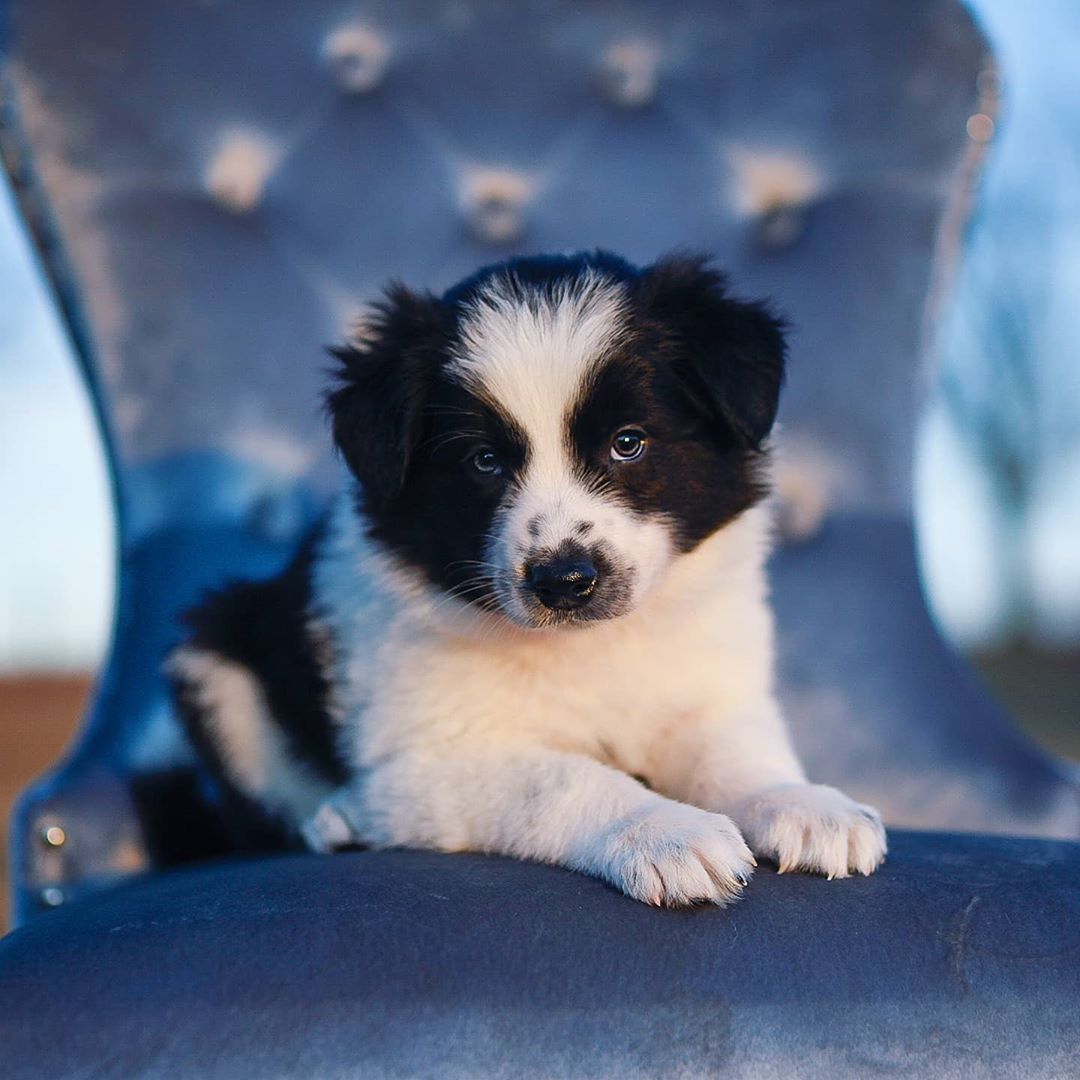
Origin and History
The Belgian Tervuren, a breed of herding dog, originated in Belgium. It is one of the four distinct varieties of the Belgian Shepherd, which includes the Groenendael, Laekenois, and Malinois. The breed descends from a common type of herding dog found throughout Western Europe, sharing ancestry with breeds such as the Bouvier des Ardennes, Dutch Shepherd, and German Shepherd. For centuries, it was a common sight in the service of Belgian shepherds. By the end of the 19th century, the breed was at risk of extinction due to becoming obsolete, but efforts to standardize it were made, leading to the formation of the Club de Chien Berger Belge in 1891.
The breed was standardized into distinct varieties based on coat type and color. The Tervueren variety was created through selective breeding by a brewer, M. Corbeel, and his fawn long-haired Belgian Shepherd pair "Tom" and "Poes. " The Tervueren variety takes its name from the region of Tervuren in Belgium. The breed's robust and healthy nature has made it a popular choice for reinforcing the bloodlines of other varieties, particularly the Groenendael.
Throughout its history, the Belgian Tervuren has been used in various roles, including as a herding dog, companion dog, assistance dog, detection dog, guard dog, guide dog, police dog, and search and rescue dog. The breed has a long history of service with Belgian police and military forces, serving in both World Wars and continuing to be used by armed forces worldwide in various roles.
Appearance
The Belgian Tervuren is a medium-sized, athletic breed with a body built for endurance. Males typically stand between 61 and 66 cm (24 and 26 in), while females stand between 56 and 61 cm (22 and 24 in). They usually weigh between 25 and 34 kg (55 and 75 lb) for males and 20 to 27 kg (45 and 60 lb) for females. The breed has a large, long head with triangular, erect ears that are rounded at the base, and a broad, long muzzle. The body is muscular but not overly heavy, with a straight topline and a chest that is deep but not overly broad.
The coat of the Belgian Tervuren is long and double, ranging from rich fawn to mahogany with black overlay. The outer coat is smooth, with short hair on the face, ears, and legs, and long feathering on the rear of the legs. There is an abundant mane on the neck and chest, particularly long hair on the rear of the thighs, and a bushy tail that forms a plume.
The Belgian Tervuren has strong, well-boned forelegs and muscular, powerful hind legs. The tail is strong and of medium length, curving upwards slightly at the level of the knee. The breed's overall appearance is elegant and athletic, with a keen and alert expression.
Temperament and Personality
The Belgian Tervuren is known for its intelligence, courage, alertness, loyalty, and energy. They are highly trainable and have a strong work drive, making them well-suited for tasks that require mental and physical engagement. The breed is protective of its property and family, and responds well to training, ideally starting from an early age.
The Groenendael and Tervueren varieties have a reputation for occasionally being snappy, making them less suitable as companion dogs for children. The Laekenois variety, while considered very good with children, can occasionally be troublesome with other dogs.
Belgian Tervurens are very active and require ample exercise to stay healthy and happy.
Health and Genetics
The Belgian Tervuren has a life expectancy of 12 to 14 years, which is slightly higher than the average for purebred dogs. However, the breed is prone to certain health conditions, including hip and elbow dysplasia, which can affect mobility.
The breed is also at risk of developing epilepsy, which can cause seizures. Genetic testing can identify dogs at risk of passing on the genotype for epilepsy, allowing breeders to make informed decisions about breeding practices.
A genetic polymorphism in the dopamine transporter gene has been linked to rage syndrome in the working lines of the Malinois variety, which is closely related to the Belgian Tervuren. While this condition is less common in the Tervueren variety, it is still important for breeders to be aware of the potential risk and take appropriate precautions.
Coat Types and Colors
The Belgian Tervuren has a long, double coat that can range in color from rich fawn to mahogany with black overlay. The outer coat is smooth and the undercoat is dense, providing insulation against the elements.
The Tervueren variety shares its coat characteristics with the Groenendael, with a long, smooth coat that is particularly long around the shoulders, neck, and chest. The face has short hair, and there is long feathering on the legs and tail. The ruff of long hair around the neck and feathering on the legs are distinctive features of the breed.
While the coat colors vary, the Tervueren is most commonly seen in fawn with black overlay. Grey with black is also known, but it is less common. The coat's color and texture contribute to the breed's elegant and athletic appearance.
Use and Versatility
The Belgian Tervuren is a versatile breed that excels in various roles. In addition to its traditional use as a herding dog, the breed is often trained for use as an assistance dog, detection dog, guard dog, guide dog, police dog, and search and rescue dog. The Tervueren variety is particularly well-suited for these roles due to its intelligence, trainability, and strong work ethic.
The breed has a long history of service with Belgian police and military forces, serving in both World Wars. In the 21st century, the Belgian Tervuren continues to be used by armed forces worldwide in a variety of roles, including customs, military, border guard, and police forces. The breed's versatility and dedication make it an invaluable asset in many different capacities.
As a pet or companion dog, the Belgian Tervuren is affectionate and loyal, forming strong bonds with its owners. The breed's high energy level and intelligence make it a great choice for active families or individuals who enjoy dog sports and other activities that require mental and physical engagement.
Buying a Belgian Tervuren
Look for breeders who are members of recognized kennel clubs and who have experience with the breed.
Be prepared for the cost of owning a Belgian Tervuren, which includes the initial purchase price, as well as ongoing expenses such as veterinary care, grooming, and training. The breed's high energy level and exercise requirements should also be taken into account, as they need ample physical and mental stimulation to thrive.
The breed is highly trainable and responds well to positive reinforcement, so consider your ability to invest time and effort into training and socialization.
Remember to inquire about the breeder's health testing protocols for potential genetic conditions, and ask for references from current or past owners to get a sense of the breed's temperament and behavior.
Frequently Asked Questions
What is the lifespan of the Belgian Tervuren?
The average lifespan of the Belgian Tervuren is about 12-14 years. Good nutrition and regular veterinary care support a healthy life.
What is the temperament of the Belgian Tervuren?
The Belgian Tervuren is known for: Intelligent, Courageous, Alert, Loyal, Energetic. Its energy level is high.
What size and weight is the Belgian Tervuren?
It is a large dog, typically around Male: 25-34; Female: 20-27 kg as an adult.
Is the Belgian Tervuren easy to care for?
Reliable grooming and shedding ratings are not available. Routine brushing, ear and dental care, and nail trims are still recommended.
Is the Belgian Tervuren good with kids and other pets?
Reliable child- and pet-friendliness ratings are not available. Supervised, gradual introductions are recommended.
How much exercise does the Belgian Tervuren need?
With a high energy level, it needs walks, play or training matched to its stamina.
Belgian Tervuren
Trait Scores
N/A