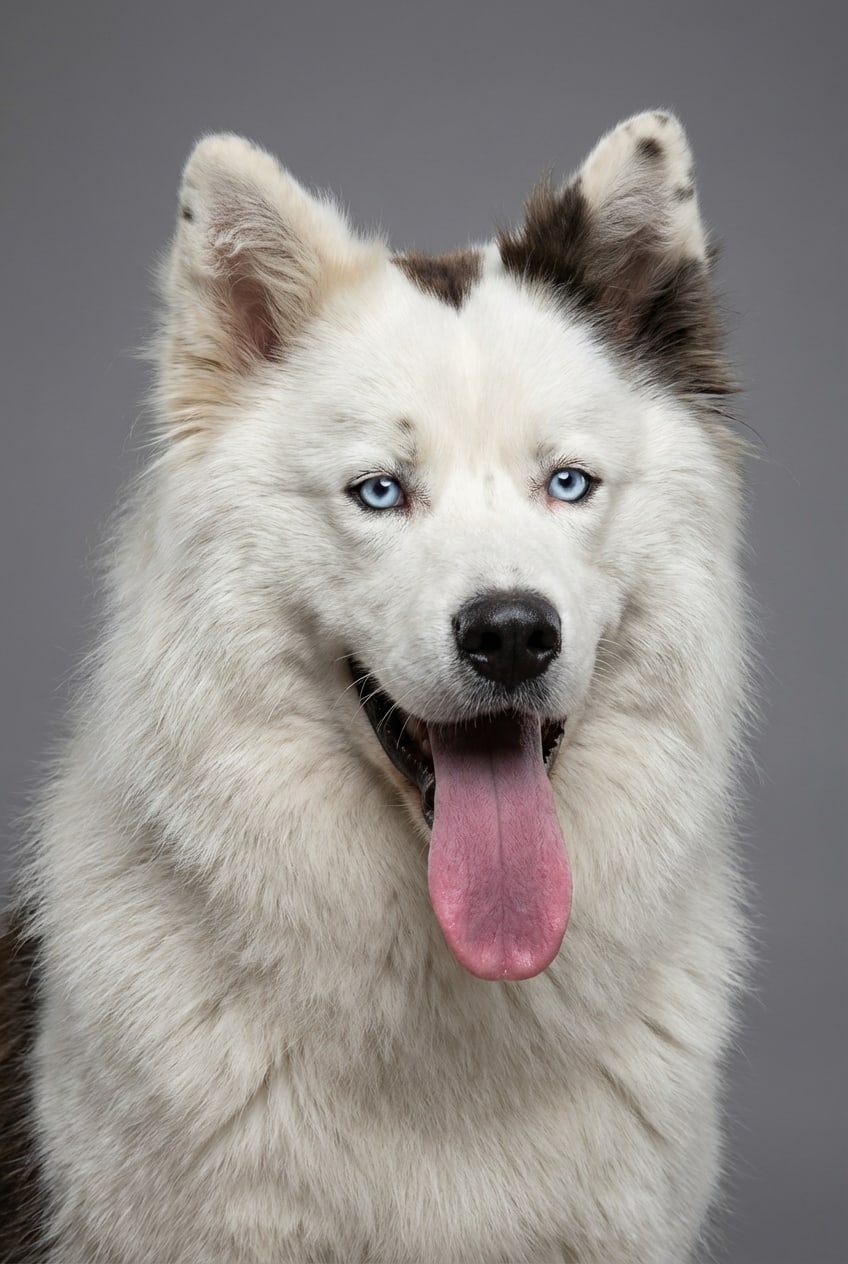
Origin and Historical Role
The Beauceron, also known as the Berger de Beauce or Bas Rouge, is a breed that originated in the plains of Central France. Its history dates back to 1587 when it was first mentioned, and it was officially named the "Berger de Beauce" in 1809. This breed has a rich history, having been employed as a military dog during World War II and is still used in modern France as a guard or police dog, as well as a popular sheep dog.
The Beauceron's role has evolved from its original herding function to include guard duties and protection training, showcasing its versatility and adaptability to various roles. The breed played a crucial role in both World War I and World War II, serving as messengers, sentries, and even in the French Resistance.
The breed's first breed club was formed in 1911, marking a significant milestone in its recognition and standardization. The club, known as the Société Centrale Canine, was instrumental in establishing the breed's standards and promoting its development.
Physical Description
The Beauceron is a large, powerful dog with a distinctive appearance. Males stand at 65 to 70 cm (24 to 27.5 inches) in height, while females range from 61 to 68 cm (24 to 27 inches). Their weight typically falls between 32 to 50 kg (66 to 99 pounds), with males generally weighing more than females.
They have a hard outer coat and a woolly undercoat that thickens in cold weather, making them well-suited to outdoor living. The standard coloration is black and tan, with the tan referred to as "rouge ecureuil" or squirrel-red in French. Less common is the grey, black, and tan harlequin pattern, which is known as "mouchetage" in French.
One unique feature of the Beauceron is its double dewclaws, which are connected by bone and can even be individually flexed. This is a distinctive trait that is not found in many other breeds and is a result of the breed's genetic makeup.
Temperament and Behavior
The Beauceron is known for its self-assured demeanor and versatility as both a guardian and a companion. They are intelligent, loyal, protective, courageous, and confident dogs. Their temperament is often described as a blend of strength and gentleness, making them well-suited for a variety of roles.
They are typically suspicious of strangers and excel as natural guard dogs, which is a trait that has been honed through centuries of working alongside shepherds. However, without proper training, they can exhibit aggression, especially towards unknown individuals or animals.
Despite their protective nature, Beaucerons can sleep outside, especially in cold weather, thanks to their weatherproof coats. This makes them ideal for use as kennel dogs, as well as for owners who live in rural or remote areas where their dogs can be left outdoors.
Training and Development
Beaucerons are eager learners and can be trained to a high level. However, their physical and mental development is slow, reaching maturity around the age of three years. This means their training should be gradual and not rushed, as they can become overwhelmed or discouraged by too much intensity too soon.
Several short, five- or ten-minute play-training exercises per day in the early years can yield better results than long or rigorous training sessions. Consistency and patience are key, as these dogs respond well to a structured routine and positive reinforcement.
They are intelligent and respond well to positive reinforcement, making them suitable for various training activities, including herding, protection, and agility.
Health and Genetics
The Beauceron is unusual in having a double dewclaw, which is a distinctive trait for the breed. This trait is the result of a genetic mutation that has been selectively bred for and is considered a hallmark of the breed.
Like all breeds, the Beauceron is prone to certain health conditions. Some of the most common include hip dysplasia, elbow dysplasia, and epilepsy.
Coat and Grooming
The Beauceron has a double smooth coat that is short and dense, providing both protection and warmth. The outer coat is typically short and lies close to the body, while the undercoat is woolly and provides insulation.
Despite their short coat, Beaucerons are not considered hypoallergenic, as they do shed to some extent.
Ear cropping is no longer allowed in most countries, which is in line with the breed's natural appearance and health considerations. This decision reflects a shift in the understanding of animal welfare and the emphasis on preserving the breed's natural characteristics.
Living with a Beauceron
Due to their protective nature, Beaucerons may not be the best choice for families with young children unless they are well-socialized from a young age. The breed's strong protective instincts can sometimes lead to over-protectiveness or aggression, especially if they feel their family is threatened.
Beaucerons are best suited for households with experienced dog owners who can provide them with the necessary training, exercise, and attention they need. They require a firm, consistent leadership structure and can be dominant if not properly managed.
When purchasing a Beauceron, it is advisable to consider the breed's history as a herding dog and their current role as a guardian and companion. This will help ensure a successful and fulfilling relationship with your new pet. Potential owners should also be prepared for the responsibility of maintaining the breed's high energy levels and the need for ongoing training and socialization.
Frequently Asked Questions
What is the lifespan of the Beauceron?
The average lifespan of the Beauceron is about 10-12 years. Good nutrition and regular veterinary care support a healthy life.
What is the temperament of the Beauceron?
The Beauceron is known for: Intelligent, Loyal, Protective, Courageous, Confident. Its energy level is moderate.
What size and weight is the Beauceron?
It is a large dog, typically around 32-50 kg as an adult.
Is the Beauceron easy to care for?
Reliable grooming and shedding ratings are not available. Routine brushing, ear and dental care, and nail trims are still recommended.
Is the Beauceron good with kids and other pets?
Reliable child- and pet-friendliness ratings are not available. Supervised, gradual introductions are recommended.
How much exercise does the Beauceron need?
With a moderate energy level, it needs walks, play or training matched to its stamina.
Beauceron
Trait Scores
N/A