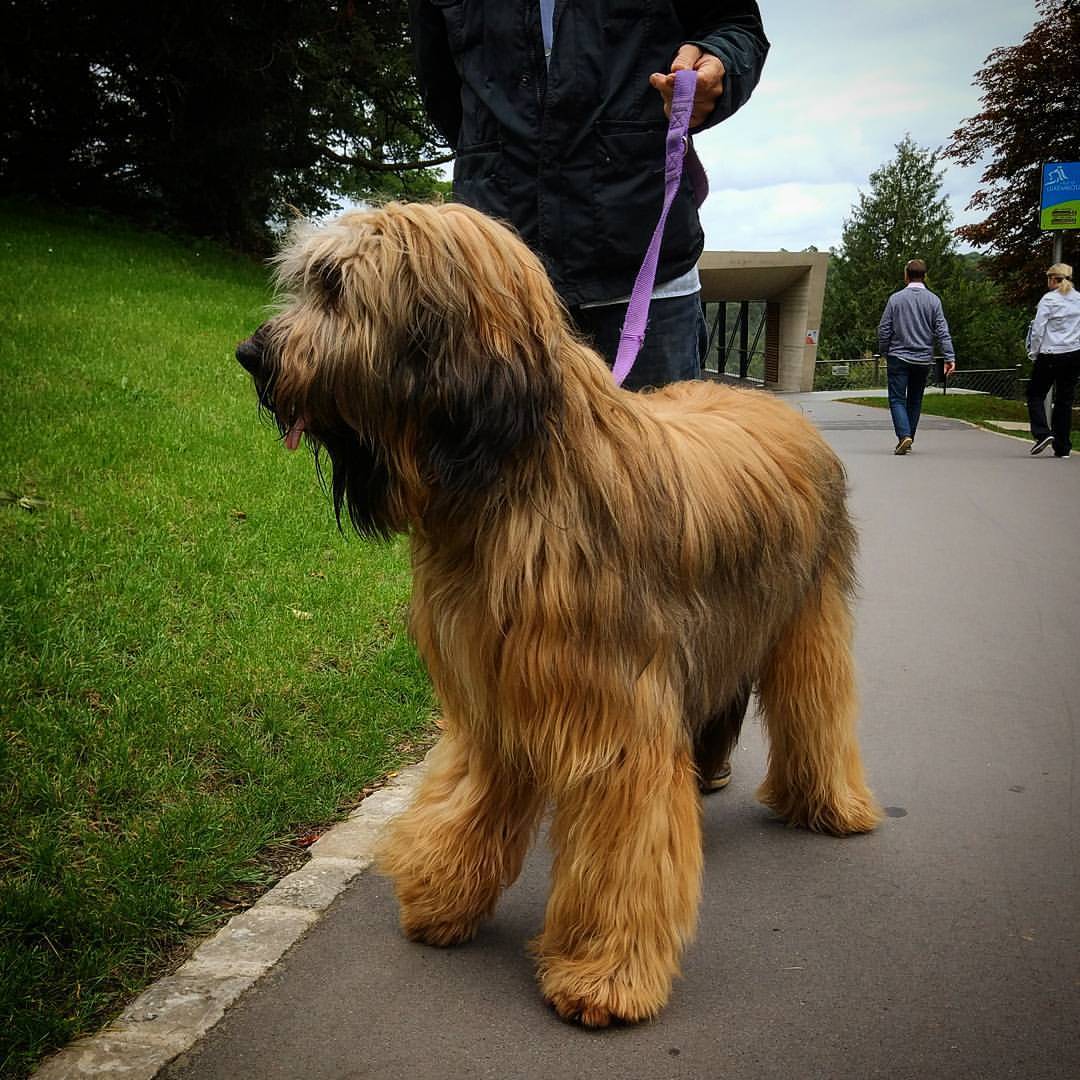
Origins and Development
The Beagle-Harrier, a medium-sized French scent hound, emerged in the late 19th century in France. This breed was the result of a deliberate breeding program initiated by Baron Gerard, who crossed the Beagle and the Harrier to create a new hunting dog. Baron Gerard, a keen hunter himself, was instrumental in developing this breed, and his work laid the foundation for the Beagle-Harrier's hunting prowess.
The Beagle-Harrier was originally bred for hunting hares and has since evolved into a pack hunter, adept at pursuing a variety of game, including deer and rabbits. Its introduction to America in the mid-1800s marked its role in rabbit hunting, and it was recognized by the FCI (Fédération Cynologique Internationale) in 1974. The recognition by the FCI solidified the breed's legitimacy and set a standard for breeders and enthusiasts alike.
Although the breed is rare outside of its native France, its distinctive characteristics and hunting prowess have maintained its popularity among enthusiasts.
Physical Description
Standing at a height of 45 to 50 centimeters (18 to 20 inches) at the withers, the Beagle-Harrier is a medium-sized dog with a robust and sturdily built frame.
The breed's coat is short and dense, often presenting in tricolor patterns featuring fawn, black, tan, or white, with some instances of grey-coated Beagle-Harriers. The coat's shortness is ideal for its hunting role, reducing the likelihood of debris and parasites while out in the field. Its smooth and thick coat also provides protection while hunting and during the cooler months, which is particularly important for dogs that may be in the field for extended periods.
Its muscular body and energetic disposition are hallmarks of the Beagle-Harrier, contributing to its reputation as a tenacious hunter and a lively companion. The breed's build is designed for endurance and agility, making it well-suited to the demands of hunting and active lifestyles.
Temperament and Personality
Characterized by its energetic and intelligent nature, the Beagle-Harrier is a lively and spirited dog. It possesses a friendly demeanor and a courageous spirit, making it a reliable and devoted companion. This temperament is not only beneficial for companionship but also for its role as a hunting dog, where a confident and resilient demeanor is often necessary.
Despite its high energy level, the Beagle-Harrier is also known for its intelligence, which makes it highly trainable. This trait, combined with its friendly disposition, makes it an excellent choice for families looking for a loyal and engaging pet. The breed's trainability is often a result of its working background, where responsiveness to commands is a necessity.
Health Considerations
The Beagle-Harrier generally enjoys a healthy life, with an average lifespan of 12 to 14 years. However, like many breeds, the Beagle-Harrier can be prone to specific health issues. One such condition is Hip dysplasia, a condition that affects the hip joint and can lead to pain and mobility issues in affected dogs. Hip dysplasia is a significant concern for owners, as it can reduce the dog's quality of life and necessitate veterinary care.
Owners should be vigilant for signs of discomfort or difficulty in movement, which may indicate the onset of Hip dysplasia or other potential health issues such as elbow dysplasia or epilepsy.
Breed Standard and Recognition
The Beagle-Harrier's breed standard was established by the FCI (Fédération Cynologique Internationale) in 1974. This recognition underscores the breed's distinct characteristics and its place within the canine world. The FCI's role in establishing breed standards is to ensure the integrity of the breed and to provide a benchmark for breeders and enthusiasts.
The breed's standard includes specific guidelines for its physical attributes, temperament, and hunting abilities, ensuring that each Beagle-Harrier meets the criteria set forth by the organization. These guidelines cover aspects such as size, coat color, and movement, as well as the dog's character and behavior, all of which contribute to the breed's identity and function.
Compatibility and Lifestyle
Given its high energy level and hunting instincts, the Beagle-Harrier is best suited for active households. These dogs require ample physical activity to stay healthy and happy, which includes regular walks, runs, and playtime. Their natural hunting instincts can also make them excel in dog sports such as agility or tracking.
Its moderate shedding and moderate grooming needs make it a suitable option for those with moderate allergies, but it is not considered hypoallergenic. Regular brushing helps manage shedding and keeps the coat healthy. The Beagle-Harrier's adaptability to various environments, from rural settings to urban homes, makes it a versatile companion as long as its exercise needs are met.
Buying a Beagle-Harrier: A Practical Checklist
- Research reputable breeders who adhere to the FCI breed standard and have a history of producing healthy dogs. Reputable breeders will be transparent about the breed's health issues and will have done genetic testing where appropriate.
- Visit with the puppy and observe its temperament, energy level, and interaction with the breeder's other dogs and family members.
- Ask about the puppy's health history, including any known genetic conditions and the breeder's vetting process. This ensures that the puppy has been raised in a healthy environment and has received proper veterinary care.
- Ensure that the puppy has received its initial vaccinations and deworming treatments. A healthy puppy should be up to date on vaccinations and free from parasites.
- Consider the long-term commitment of owning a Beagle-Harrier, including the costs of food, grooming, and veterinary care. The breed's energetic nature may also lead to additional expenses related to activities such as dog sports or obedience training.
Frequently Asked Questions
What is the lifespan of the Beagle-Harrier?
The average lifespan of the Beagle-Harrier is about 12-14 years. Good nutrition and regular veterinary care support a healthy life.
What is the temperament of the Beagle-Harrier?
The Beagle-Harrier is known for: Energetic, Intelligent, Friendly, Courageous, Devoted. Its energy level is high.
What size and weight is the Beagle-Harrier?
It is a large dog, typically around 19-27 kg as an adult.
Is the Beagle-Harrier easy to care for?
Reliable grooming and shedding ratings are not available. Routine brushing, ear and dental care, and nail trims are still recommended.
Is the Beagle-Harrier good with kids and other pets?
Reliable child- and pet-friendliness ratings are not available. Supervised, gradual introductions are recommended.
How much exercise does the Beagle-Harrier need?
With a high energy level, it needs walks, play or training matched to its stamina.
Beagle-Harrier
Trait Scores
N/A