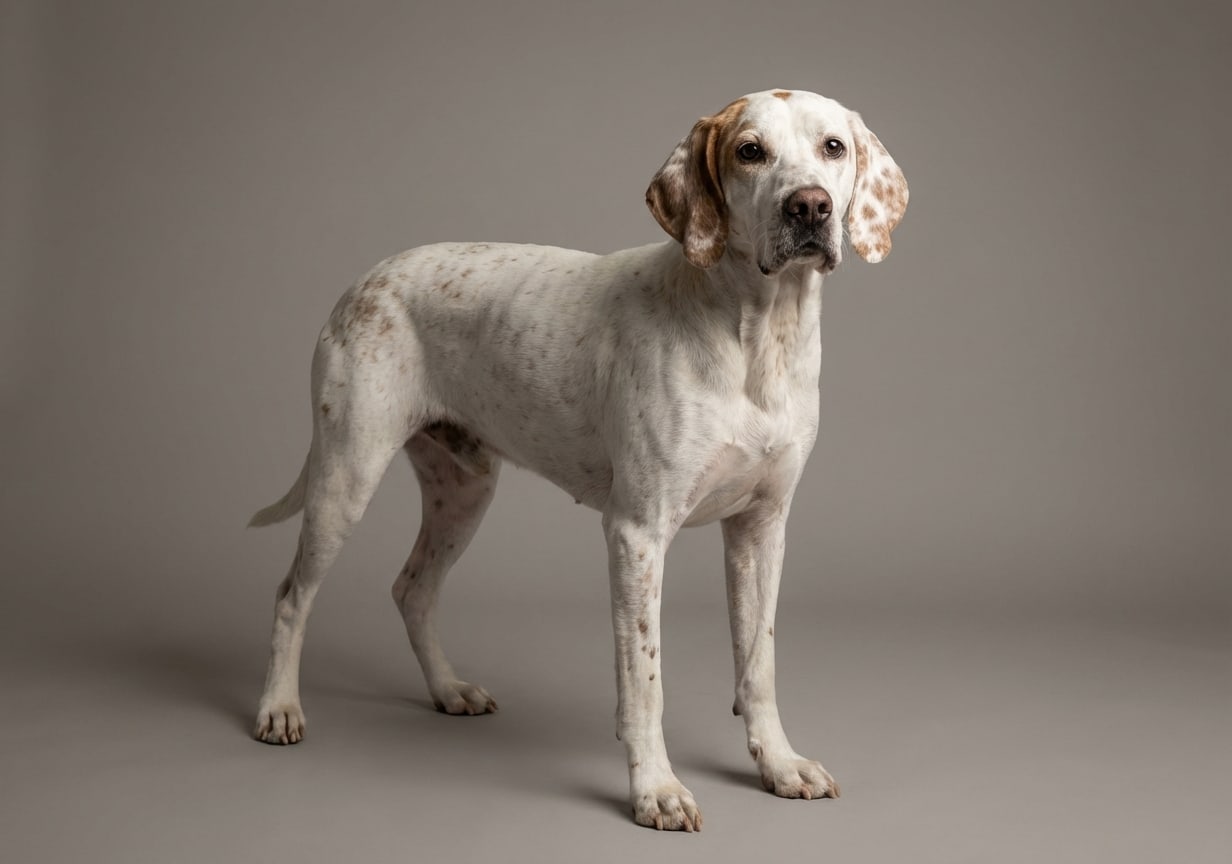
Origin and Historical Background
The Basset Fauve de Bretagne has its roots in Brittany, a region known for its rich history and cultural heritage in France. This breed, a scent hound, was derived from the larger Grand Fauve de Bretagne, which has since become extinct. The breed's development dates back to the 19th century, with the Basset Fauve de Bretagne officially recognized by the Société Centrale Canine in 1922. After World War II, there were concerns about the breed's survival, with rumors suggesting it was close to extinction. However, the French club that oversees the breed denies these claims, asserting that the breed's numbers were never critically low. In 2002, there were 1060 new registrations, reflecting a growing interest in the breed.
In the United States, the American Kennel Club (AKC) recognized the Basset Fauve de Bretagne as a full member in 2026. In the United Kingdom, the breed is predominantly seen as a show dog and family pet. It was removed from the Kennel Club's rare breed register in 2007, indicating its growing popularity.
The breed's development involved selectively breeding the remaining Basset Fauve de Bretagne examples with standard wirehaired Dachshunds. This cross was intended to enhance certain traits, although the French club disputes the claim of near extinction and the necessity of such a cross.
Physical Description
The Basset Fauve de Bretagne is a small, compact scent hound with a robust and sturdy build. Males typically stand at a height of 32-39 cm (12.6-15.4 inches) at the withers, while females are slightly shorter at 31-38 cm (12.2-15 inches). They weigh between 12-18 kg (26.4-39.6 pounds) for males and 12-17 kg (26.4-37.4 pounds) for females. Their coat is harsh, wiry, and ranges in color from fawn to golden-red, with occasional white markings on the chest. The coat may require stripping, a process that involves removing dead hair to maintain its appearance and texture. This breed is known for its shortest back among all basset breeds, which is a distinctive feature and contributes to its unique silhouette.
The Basset Fauve de Bretagne has dark eyes and a nose, and ideally, no crook on the front legs. This breed's physical appearance is influenced by its hunting heritage, with a body built for agility and endurance in the field. The breed's head is long and narrow, with a moderately deep chest and a tail that is set on a high carriage, adding to its overall elegance and hunting prowess.
Temperament and Personality
The Basset Fauve de Bretagne is celebrated for its energetic, happy disposition and lively temperament. It is known to be friendly, outgoing, and affectionate, making it an excellent companion for families. This breed is also intelligent and courageous, with an alert and happy nature. Its loyalty and outgoing character make it a great choice for those looking for a dog that is both a family pet and a hunting companion. The breed's trainability is high, which makes it easier to train and integrate into a household, whether for show or for work.
The Basset Fauve de Bretagne is known to be a good-natured and sociable dog, which is a valuable trait for those who want a dog that can be part of various social settings, from family gatherings to dog-friendly events.
Health Considerations
The Basset Fauve de Bretagne has a relatively low inbreeding coefficient of 3.9%, which is the second-lowest among the nine French breeds studied in 2006. This indicates a lower risk of hereditary diseases compared to some other breeds. However, this breed is more commonly affected by primary open angle glaucoma, a condition caused by an autosomal recessive mutation of the ADAMTS17 gene.
Other health concerns that may affect the Basset Fauve de Bretagne include hip dysplasia, which can cause mobility issues, and epilepsy, a disorder that can lead to seizures.
Coat Care and Grooming
This process requires patience and a steady hand, as it is a meticulous task that can take several hours to complete.
Despite the effort required, the coat's ability to repel dirt and its resistance to matting make it a relatively low-maintenance breed in terms of grooming. Regular brushing is also recommended to remove loose hair and prevent shedding, which is particularly important during shedding seasons. The breed's coat does not require frequent bathing, as it naturally repels water and dirt.
Lifestyle and Exercise Needs
The Basset Fauve de Bretagne is adaptable to various living situations, but it does best in homes with access to a yard where it can roam and explore. This breed has a strong hunting instinct and enjoys activities that stimulate its mind and body, such as scent trailing and obedience training.
A daily walk, playtime in a secure yard, and opportunities for off-leash exploration are all important for this breed's well-being. The Basset Fauve de Bretagne is also known to be good with children and other pets, provided it has been properly socialized from a young age.
Buyer's Checklist
- Be prepared for weekly grooming sessions to maintain the coat's health and appearance.
- Consider the breed's high energy level and its need for mental and physical stimulation.
- Ensure that your living situation provides ample space for the dog to exercise and explore, especially if you live in an apartment or a home without a yard.
Cost Realism and Household Matching
The Basset Fauve de Bretagne is considered a relatively affordable breed in terms of maintenance costs. This includes the initial purchase price, food, veterinary care, grooming, and other expenses associated with pet ownership. The breed is not known for having high medical costs or requiring specialized diets, which can be a factor in budgeting for pet ownership.
Given its size and energy level, the Basset Fauve de Bretagne may not be the best choice for those living in apartments without access to a yard. However, its adaptability and friendly nature make it a good fit for many households, provided the owners are willing to meet its exercise and care requirements. The breed's intelligence and trainability can also be a significant advantage, as it can be taught to follow commands and adapt to different living environments.
Frequently Asked Questions
What is the lifespan of the Basset Fauve de Bretagne?
The average lifespan of the Basset Fauve de Bretagne is about 11-15 years. Good nutrition and regular veterinary care support a healthy life.
What is the temperament of the Basset Fauve de Bretagne?
The Basset Fauve de Bretagne is known for: Friendly, Energetic, Intelligent, Courageous, Alert, Happy, Outgoing, Loyal, Affectionate. Its energy level is high.
What size and weight is the Basset Fauve de Bretagne?
It is a large dog, typically around Male: 12-18; Female: 12-17 kg as an adult.
Is the Basset Fauve de Bretagne easy to care for?
Reliable grooming and shedding ratings are not available. Routine brushing, ear and dental care, and nail trims are still recommended.
Is the Basset Fauve de Bretagne good with kids and other pets?
Reliable child- and pet-friendliness ratings are not available. Supervised, gradual introductions are recommended.
How much exercise does the Basset Fauve de Bretagne need?
With a high energy level, it needs walks, play or training matched to its stamina.
Basset Fauve de Bretagne
Trait Scores
N/A