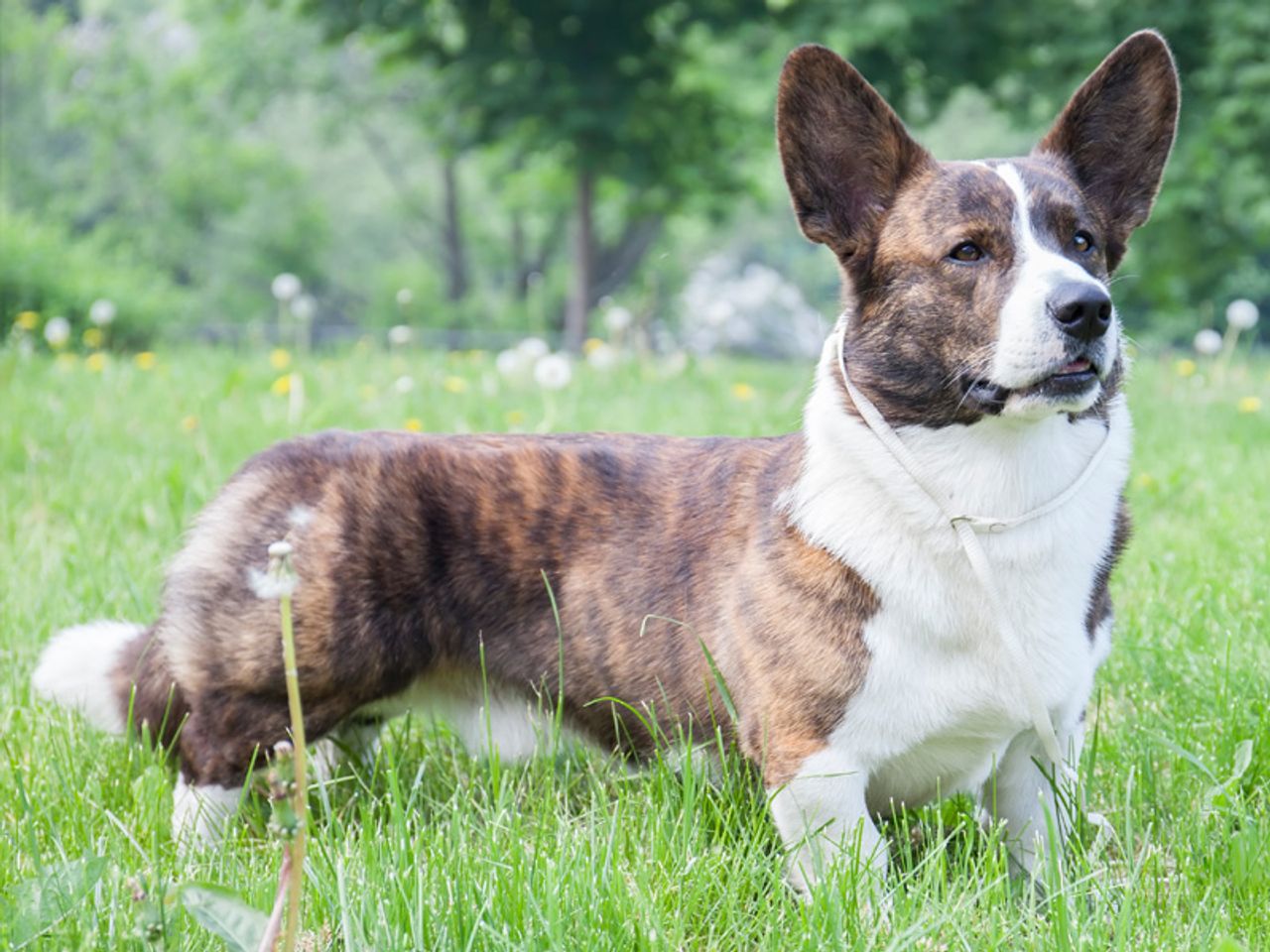
Origin and Breeder Purpose
The Bassador, a medium-to-large crossbreed, originated in the United States. This mixed breed is a result of crossing the Basset Hound with the Labrador Retriever, combining their distinct features. The breeder's purpose for creating the Bassador is mixed, indicating a focus on versatility and companionship.
Historically, crossbreeding has been a common practice, particularly in working dog breeds. For instance, Lord Orford's Greyhounds were improved by crossing with Old English Bulldogs to enhance courage. This practice of crossbreeding for specific qualities has been a staple in dog breeding for centuries.
While not recognized as a distinct breed, the Bassador is part of the growing trend of designer dogs, which became popular in the late 20th century. These dogs are often bred for specific traits, such as hypoallergenic coats or a combination of desirable characteristics from multiple breeds.
Physical Description
The Bassador has a long, sturdy body, short legs, and distinctive droopy ears reminiscent of the Basset Hound. Its friendly face and temperament are more akin to the Labrador Retriever. This unique blend results in a dog that is both grounded and approachable.
Adult Bassadors typically weigh between 20-34 kg and stand at a height of 33-51 cm. The breed's size can be influenced by the specific genetic contribution from each parent breed, with the Labrador Retriever's genes often contributing to a larger size.
The Bassador's coat length is a direct result of its Basset Hound heritage, with the Basset Hound known for its short, dense coat. The Labrador Retriever's coat, on the other hand, is water-repellent and sheds moderately. This mixed heritage also influences the Bassador's energy level, which is considered medium, making them suitable for a variety of living situations, from apartments to large homes with yards.
Temperament and Personality
The Bassador is known for its friendly, loyal, gentle, intelligent, and outgoing temperament. This temperament is a combination of the Basset Hound's easygoing nature and the Labrador Retriever's sociable and eager-to-please disposition.
Like the Labrador Retriever, the Bassador is known for being child-friendly, which is a crucial trait for a family pet. This trait is particularly important for the Bassador, as it often serves as a family companion and protector.
Intelligence is a hallmark of both parent breeds, which contributes to the Bassador's high trainability. This breed is eager to please and responds well to positive reinforcement training methods. Their outgoing nature also makes them great companions for those seeking a social dog, often participating in dog parks, agility courses, and other group activities.
Health Considerations
While crossbreeding can sometimes reduce the incidence of genetic defects, it is not a guarantee of health. The Bassador may inherit conditions such as hip dysplasia, which can cause pain and mobility issues, particularly in older dogs.
Other potential health issues may include eye problems, such as glaucoma or cherry eye, which can affect the Bassador's vision.
Lifespan and Longevity
Crossbreeding has been found to offer some health advantages, with crossbred dogs having a lower chance of exhibiting disorders common in their parent breeds. The Bassador, as a result of its mixed heritage, may have a longer lifespan than either parent breed alone.
However, studies have shown that the difference in life expectancy between mixed breed dogs and purebred dogs is minimal. For instance, a review of cemetery data in Japan found that the Shiba Inu had a life expectancy greater than crossbreeds, but crossbreeds still had a higher life expectancy than the average pedigree dog in that study.
Registration and Recognition
Crossbreed dogs like the Bassador are not recognized by traditional breed registries. This is because they are not considered distinct breeds in their own right, even if both parents are registered purebreds. The American Kennel Club (AKC) and the United Kennel Club (UKC) do not recognize crossbreeds.
However, if crossbred dogs are bred together for a period of time and their breeding is well documented, they may eventually be considered a new breed by major kennel clubs. This process requires a breed club to document the ancestry of any individual member of the breed from the original founding dogs. The Bassador, with its growing popularity, may be considered for recognition in the future.
It is worth noting that some minor registries and internet registry businesses will register dogs as any breed the owner chooses with minimal or no documentation. These registrations are not recognized by major kennel clubs and should not be considered official.
Buying a Bassador: A Practical Checklist
When considering purchasing a Bassador, there are several factors to keep in mind:
- Research reputable breeders who prioritize the health and welfare of their dogs. Look for breeders who are members of dog breed clubs or associations.
- Ask about the health history of the parents and any known genetic conditions. Reputable breeders will be open about any potential health issues and will have had the parents tested for common genetic disorders.
- Ensure the breeder provides proper socialization and training for the puppies. A well-socialized Bassador will be more adaptable and easier to train.
- Consider the dog's energy level and adaptability to your lifestyle and living situation. The Bassador's medium energy level makes them suitable for active owners but may not be ideal for those with a sedentary lifestyle.
- Visit the puppies in their home environment to get a sense of the breeder's care and the puppies' overall health.
- Ask for references from previous buyers and check the breeder's reputation within the dog community.
By taking these steps, you can ensure that you are making an informed decision and providing a loving home for your new Bassador.
Frequently Asked Questions
What is the lifespan of the Bassador?
The average lifespan of the Bassador is about 10-13 years. Good nutrition and regular veterinary care support a healthy life.
What is the temperament of the Bassador?
The Bassador is known for: Friendly, Loyal, Gentle, Intelligent, Outgoing. Its energy level is moderate.
What size and weight is the Bassador?
It is a large dog, typically around 20-34 kg as an adult.
Is the Bassador easy to care for?
Reliable grooming and shedding ratings are not available. Routine brushing, ear and dental care, and nail trims are still recommended.
Is the Bassador good with kids and other pets?
Reliable child- and pet-friendliness ratings are not available. Supervised, gradual introductions are recommended.
How much exercise does the Bassador need?
With a moderate energy level, it needs walks, play or training matched to its stamina.
Bassador
Trait Scores
N/A