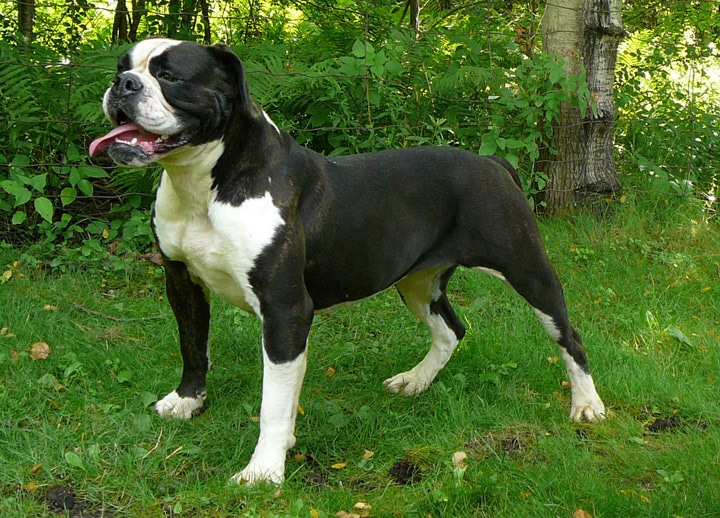
Basque Shepherd Dog Overview
The Basque Shepherd Dog, known as Euskal Artzain Txakurra in Basque, is an ancient medium-sized herding dog hailing from the Basque Country, spanning Spain and France. This breed is recognized for its rustic double coat, agility, and intelligence, bred to work livestock in mountainous terrain. With a history that dates back to Basque mythology and depicted in sixteenth-century frescoes, the Basque Shepherd Dog has been a vital part of the Basque people's culture for centuries. Recognized by the Real Sociedad Canina de España in 1996 and officially by the Spanish national government in 2001, the breed has two coat varieties: the rough-coated Iletsua and the smoother-coated Gorbeikoa. Today, the Basque Shepherd Dog remains a versatile working dog, often participating in txakur probak, traditional Basque sheepdog trials, and has also showcased its skills in international sheepdog trials since 1950.
The breed's participation in these trials has helped to preserve its working heritage and has also raised its profile internationally.
Origin and History
Originating in the Basque Country, the Basque Shepherd Dog has been a traditional breed for the Basque people. Its roots are deeply embedded in Basque mythology, with evidence of similar dogs found in frescoes from the sixteenth century. The breed was officially recognized in 1996 and further solidified with the publication of the breed standard in 2001. This standard outlined the breed's physical characteristics, temperament, and working abilities, ensuring the preservation of the breed's unique traits.
Historically, the Basque Shepherd Dog has been used for herding sheep, goats, cattle, and horses, as well as for guarding farmhouses. In the 1950s, some Basque shepherds took their dogs to the United States, where they continued their work with livestock. This migration of dogs helped to establish the breed in new regions and contributed to its global recognition.
In 2009, the total number of both subtypes of the breed was estimated to be 500, and in 2026, it was listed as one of the sixteen Spanish breeds considered vulnerable by the Real Sociedad Canina de España. This classification highlights the breed's need for continued preservation efforts to ensure its survival.
Physical Characteristics
The Basque Shepherd Dog has a strong and rectangular body, typically 10-20% longer than it is high. The eyes are oval, often brown or amber, and the ears are of medium size, triangular, and either pendent or folded. This physical build is well-suited for the demanding work of herding and guarding, allowing the dog to navigate challenging terrain with ease.
The Gorbeiakoa variety features a soft, smooth coat of moderate length, with the color ranging from fire-red to fawn. Dogs of this variety stand at 47 to 61 cm at the withers and usually weigh 18 to 36 kg, while bitches are slightly smaller, weighing 17 to 29 kg. This variety's coat is shorter and easier to maintain, making it more suitable for some owners.
The Iletsua variety has a rougher and wirier coat, moderately long, with the color options of cinnamon-coloured or fawn. Dogs of this variety stand at 47–63 cm and weigh 18 to 33 kg, with bitches measuring 46–58 cm and weighing up to 30 kg.
Temperament and Behavior
The Basque Shepherd Dog is known for its intelligent, loyal, energetic, and alert temperament. These dogs are work-focused and devoted, making them excellent herding dogs. Their loyalty and intelligence also make them trainable, though their high energy level requires consistent exercise and mental stimulation.
While the Basque Shepherd Dog is not particularly friendly with strangers, it is generally low in shedding, making it a suitable choice for those with allergies. However, the breed's adaptability, affection level, and child-friendliness have not been rated, suggesting potential challenges in these areas. Potential owners should be prepared for a dog that may be reserved with unfamiliar individuals and may require additional socialization to be comfortable around children.
Health Considerations
The Basque Shepherd Dog is prone to several health conditions, including hip dysplasia, patellar luxation, and epilepsy. Owners should be aware of these potential issues and take proactive steps to prevent and manage them.
Hip dysplasia is a common concern in many large breeds and can lead to pain and mobility issues. Epilepsy, a disorder that causes seizures, can affect any breed and requires veterinary care and medication to manage.
Other health issues that may affect the Basque Shepherd Dog include skin allergies, which can cause itching and hair loss, and bloat, a life-threatening condition that requires immediate veterinary attention.
Training and Exercise
Training the Basque Shepherd Dog is highly rewarding due to their intelligence and trainability. These dogs respond well to positive reinforcement and are eager to please.
Given their high energy level, the Basque Shepherd Dog requires a significant amount of daily exercise, including walks, runs, and activities that challenge their intelligence, such as agility training or herding exercises. This breed is not suited for a sedentary lifestyle and may become destructive or anxious without adequate physical and mental stimulation.
Training should begin early and continue throughout the dog's life. Consistency and patience are key, as these dogs can be independent thinkers and may require additional motivation. Socialization is also important to ensure that the Basque Shepherd Dog interacts well with other dogs and people, particularly during their formative months.
Living with a Basque Shepherd Dog
Living with a Basque Shepherd Dog requires a commitment to their active lifestyle and training needs. They are best suited for households with experienced dog owners who can provide consistent leadership and structure.
Given their loyalty and work ethic, the Basque Shepherd Dog can form strong bonds with their families. However, their low affection level and potential for being aloof with strangers may require additional socialization and training to ensure they are well-rounded and well-behaved pets. Potential owners should be prepared for a dog that is protective of its family and territory and may require careful handling to prevent aggression.
This may include a secure yard for exercise, access to trails for hiking, and opportunities to engage in herding or other dog sports.
Buying a Basque Shepherd Dog
Consider the following checklist when searching for a Basque Shepherd Dog:
- Ask for health clearances and genetic testing results for potential hereditary conditions, such as hip dysplasia and patellar luxation.
- Ensure the puppy has been properly socialized with people and other animals to develop a well-rounded temperament.
- Verify that the breeder is registered with a recognized kennel club or registry, such as the Real Sociedad Canina de España, to ensure the breed's integrity and health.
- Obtain a contract that outlines the breeder's responsibilities and your rights as a puppy owner, including any health guarantees or return policies.
Understanding the breed's specific needs and committing to their care will ensure a successful and fulfilling experience with a Basque Shepherd Dog. Potential owners should be prepared to invest time and resources into training, exercise, and health care to provide the best possible life for their new companion.
Frequently Asked Questions
What is the lifespan of the Basque Shepherd Dog?
The average lifespan of the Basque Shepherd Dog is about 12-15 years. Good nutrition and regular veterinary care support a healthy life.
What is the temperament of the Basque Shepherd Dog?
The Basque Shepherd Dog is known for: Intelligent, Loyal, Energetic, Alert, Work-focused, Devoted. Its energy level is high.
What size and weight is the Basque Shepherd Dog?
It is a large dog, typically around Male: 18-36; Female: 17-30 kg as an adult.
Is the Basque Shepherd Dog easy to care for?
Reliable grooming and shedding ratings are not available. Routine brushing, ear and dental care, and nail trims are still recommended.
Is the Basque Shepherd Dog good with kids and other pets?
Reliable child- and pet-friendliness ratings are not available. Supervised, gradual introductions are recommended.
How much exercise does the Basque Shepherd Dog need?
With a high energy level, it needs walks, play or training matched to its stamina.
Basque Shepherd Dog
Trait Scores
N/A