Origin and Appearance
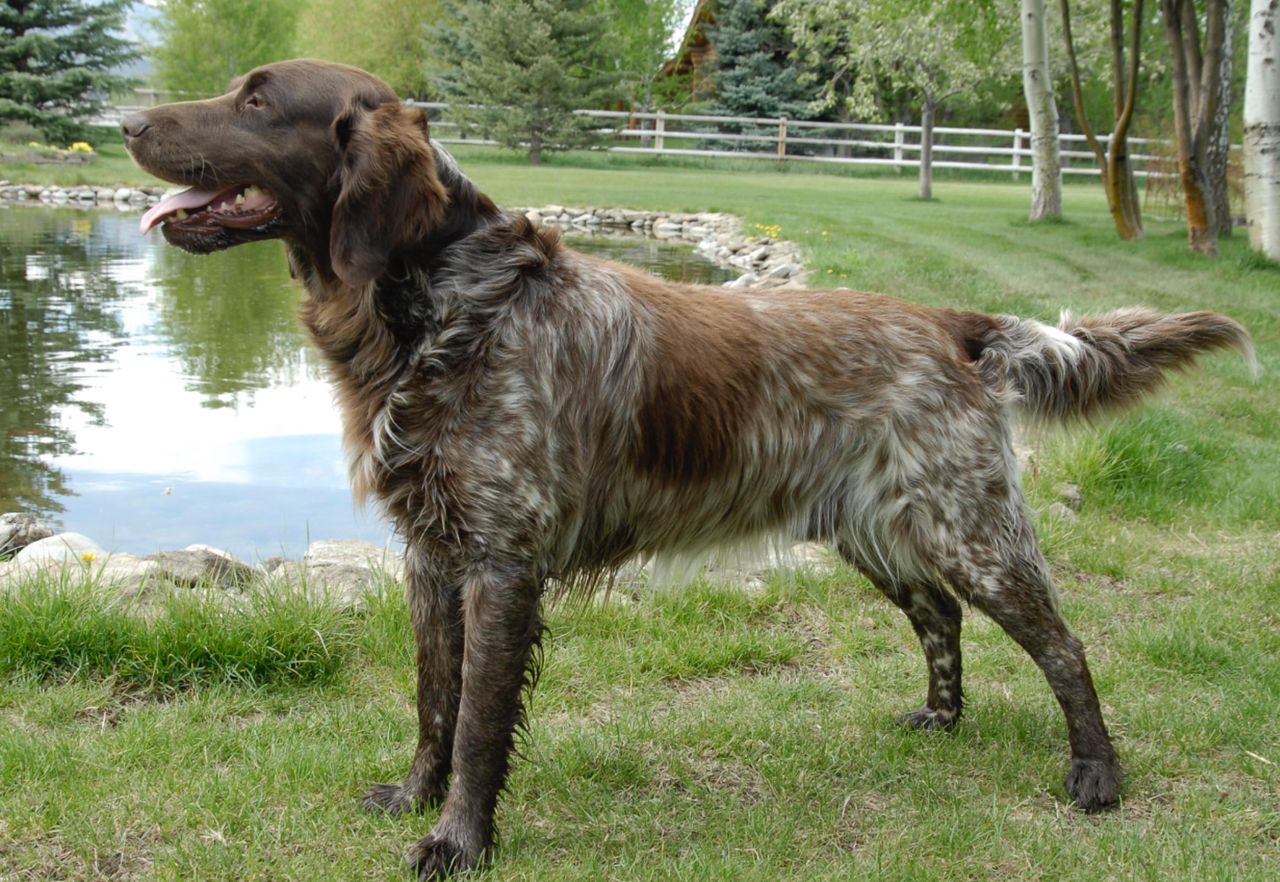
The Barbet, a breed with origins in France, is a medium-sized water dog known for its distinctive appearance. The breed's name, derived from the French word "barbe," meaning "beard," reflects its characteristic facial growth. This facial feature, along with its webbed feet, contributes to the Barbet's reputation as an excellent swimmer and retriever. The most common colors in the Barbet's coat are black or brown, with white markings occasionally present. This coat is not only aesthetically pleasing but also serves a practical purpose, as it helps repel water and provides insulation. Males typically stand between 53 to 65 cm tall and weigh between 18 and 27 kg, while females are slightly smaller, standing at 51 to 61 cm and weighing between 14 and 23 kg. The Barbet's body structure is designed for agility and strength, essential for its hunting role.
Temperament and Characteristics
The Barbet is a breed with a temperament that is friendly, intelligent, and loyal. Known for their playful and athletic nature, Barbets are often joyful companions. Their historical role as waterfowl retrievers has instilled a love for swimming and playing in water, making them excellent companions for active owners. The Barbet's intelligence and trainability make them highly adaptable to various activities, including hunting, agility, and search-and-rescue work. Their medium friendliness and shedding level make them suitable for families with moderate grooming and exercise needs. The breed's adaptability is further enhanced by their ability to live comfortably in both urban and rural settings.
Breeder Purpose and Hypoallergenic Flag
Bred originally for sporting purposes, the Barbet excels in waterfowl retrieval and hunting activities. Despite their rarity, the breed has maintained a strong connection to its sporting roots. The Barbet does not carry a hypoallergenic flag, indicating that it may not be suitable for individuals with severe allergies. However, due to the breed's low shedding, it may still be a viable option for those with mild allergies.
Health Concerns and Life Expectancy
Barbets are generally a healthy breed with an average life expectancy of 13 to 15 years. However, like many breeds with long ears, they are prone to ear infections, which can be caused by excessive moisture and trapped dirt. The breed can also be affected by hip dysplasia, a genetic condition that can lead to joint pain and mobility issues, and epilepsy, which may require medication for management. Due to the breed's rarity, there is limited data on specific health concerns, but a study in 2006 found a coefficient of inbreeding of 12.4%, indicating a potential genetic diversity issue.
History and Development
The Barbet has a rich history that dates back centuries, evolving from various forms over time. The breed was utilized as an all-around flushing or working dog, and the term "barbet" became a generic name for any dog with a long, curly, and/or woolly coat. The Barbet is perhaps best-known for its role as a retriever of hunters' quarry, especially in the marshes, wetlands, estuaries, and coastal areas of France. After World War II, the breed came close to extinction but was revived in the 1970s by French breeders. The modern Barbet, introduced to the United States in 1994 and recognized by the American Kennel Club in 2020, is notably taller than the historical breed, due in part to cross-breeding with the Standard Poodle. This cross-breeding has helped to preserve the breed's characteristics while introducing a healthier gene pool.
Recognition and Popularity
The Barbet is recognized by the Société Centrale Canine, the French Kennel Club, and the Fédération Cynologique Internationale (FCI), placing it in Group 8 (retrievers, flushing dogs, and water dogs). Its recognition in the United Kingdom by The Kennel Club in 2018 has furthered its popularity. Despite its rarity, the Barbet is gaining a following as a pet and as a working dog, with a small number participating in activities such as gun dogs, agility, and search-and-rescue. The breed's average of one or two British-born litters per year reflects its continuing rarity and the commitment of breeders to preserve this unique breed. The Barbet's recognition by major kennel clubs has also helped to ensure that the breed's standards are maintained.
Coat and Grooming Requirements
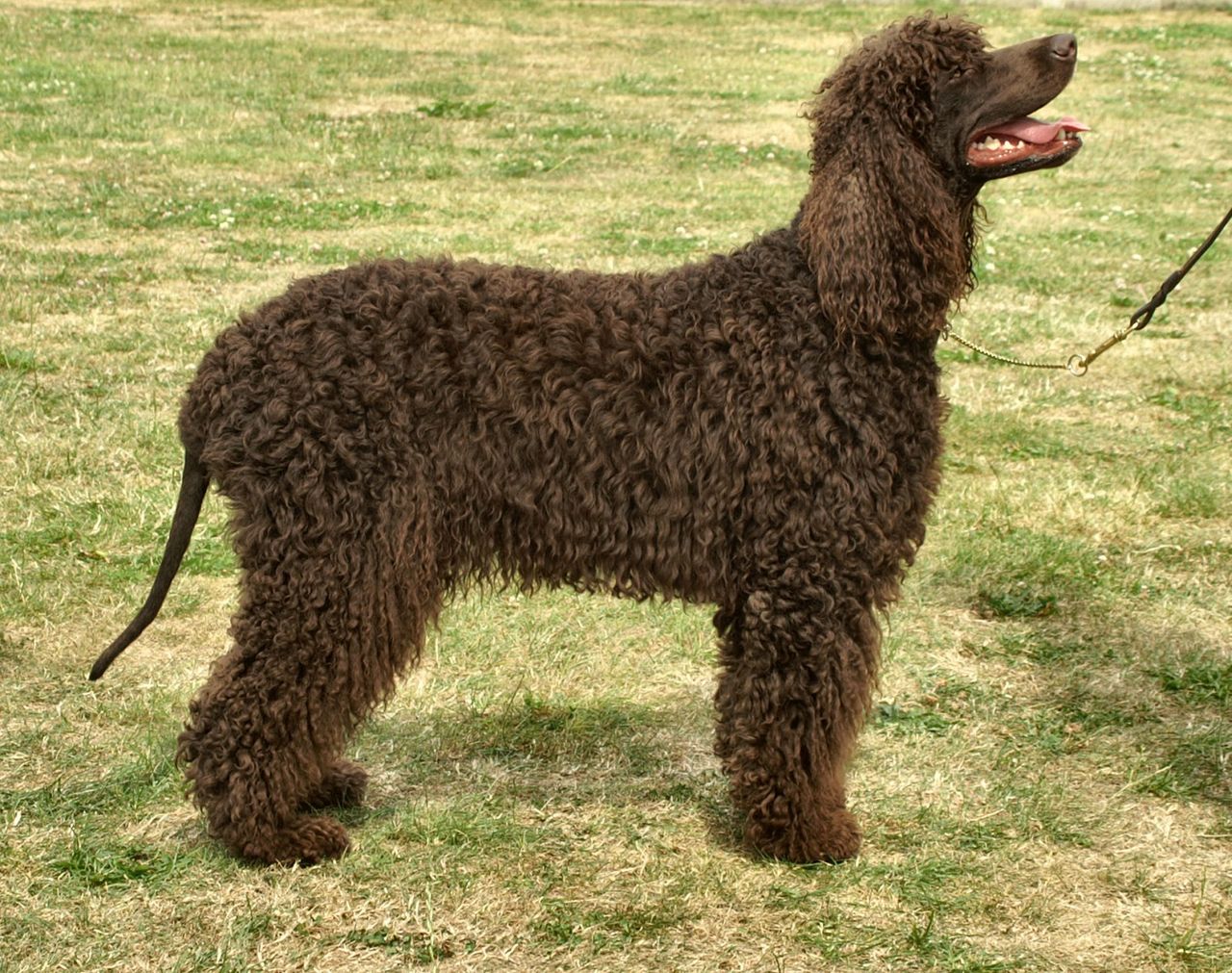
The coat is thick, curly, and woolly, which helps the dog retain heat when swimming in cold water. This coat also serves as a natural insulator against the elements. The Barbet's grooming needs are moderate compared to other breeds, but the coat can be time-consuming to maintain.
Breed-Specific Numbers and Popularity Trends
The Barbet is a rare breed, with only a small number of registrations worldwide. In the United States, the American Kennel Club (AKC) does not provide specific registration numbers for the Barbet, but the breed is categorized as a rare breed. The United Kingdom's Kennel Club also does not provide specific registration numbers, but the breed is considered rare there as well. Popularity trends show a slow but steady increase in the number of Barbets registered, indicating a growing interest in this unique breed. The breed's rarity and distinctive appearance contribute to its appeal among dog enthusiasts and those looking for a less common pet.
Buying a Barbet: What to Consider
When considering a Barbet, potential owners should be aware of the breed's historical connection to waterfowl hunting and its resulting love for water activities. Health checks should be a priority, especially for the breed's potential risks of hip dysplasia, epilepsy, and ear infections. It is also advisable to purchase from a reputable breeder who can provide information on the dog's lineage and health history. Owners should be prepared for the grooming requirements of the Barbet's coat and the breed's energy level, which requires an active lifestyle to thrive. The Barbet's unique characteristics and history make it a rewarding choice for those who appreciate a rare and intelligent companion.
Frequently Asked Questions
What is the lifespan of the Barbet?
The average lifespan of the Barbet is about 12-14 years. Good nutrition and regular veterinary care support a healthy life.
What is the temperament of the Barbet?
The Barbet is known for: Friendly, Intelligent, Loyal, Playful, Athletic, Devoted. Its energy level is high.
What size and weight is the Barbet?
It is a large dog, typically around 17-28 kg as an adult.
Is the Barbet easy to care for?
Reliable grooming and shedding ratings are not available. Routine brushing, ear and dental care, and nail trims are still recommended.
Is the Barbet good with kids and other pets?
Reliable child- and pet-friendliness ratings are not available. Supervised, gradual introductions are recommended.
How much exercise does the Barbet need?
With a high energy level, it needs walks, play or training matched to its stamina.
Barbet
Trait Scores
N/A