Origin and History
The Barak Hound, also known as the Bosnian Broken-haired Hound, has its roots in the mountainous regions of Bosnia and Herzegovina. This breed was meticulously developed in the nineteenth century by local hunters, who sought to create an efficient scent hound capable of hunting large game with agility and stamina. The breed's development was a blend of indigenous dog types, including the Tornjak, and an Italian gun dog, the Bracco Italiano, in the 1890s. This crossbreeding resulted in the robust and scent-sensitive Barak Hound.
The breed was first recognized by the Fédération Cynologique Internationale (FCI) in 1965 under the name "Illyrian Hound. " However, it was later renamed to more accurately reflect its origin in Bosnia. In the United States, the United Kennel Club (UKC) recognizes the Barak Hound in the Scenthound Group. The breed's historical significance and its development through careful crossbreeding make it a subject of interest for dog enthusiasts and breed historians alike.
A genetic analysis has shown that they share a close genetic relationship with the Tornjak, suggesting that certain health conditions associated with this Bosnian breed may also affect the Barak Hound. This relationship highlights the interconnectedness of dog breeds and their shared heritage.
Description
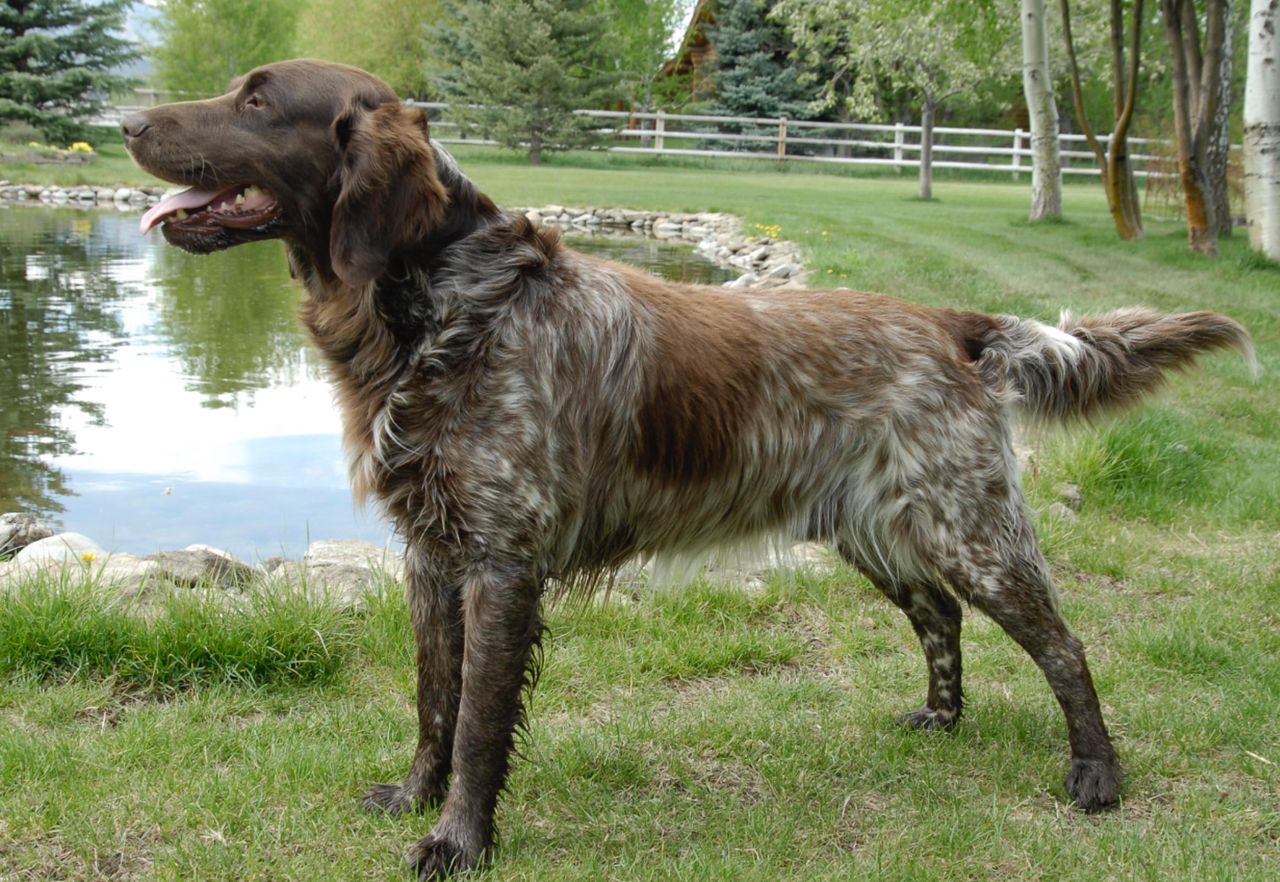
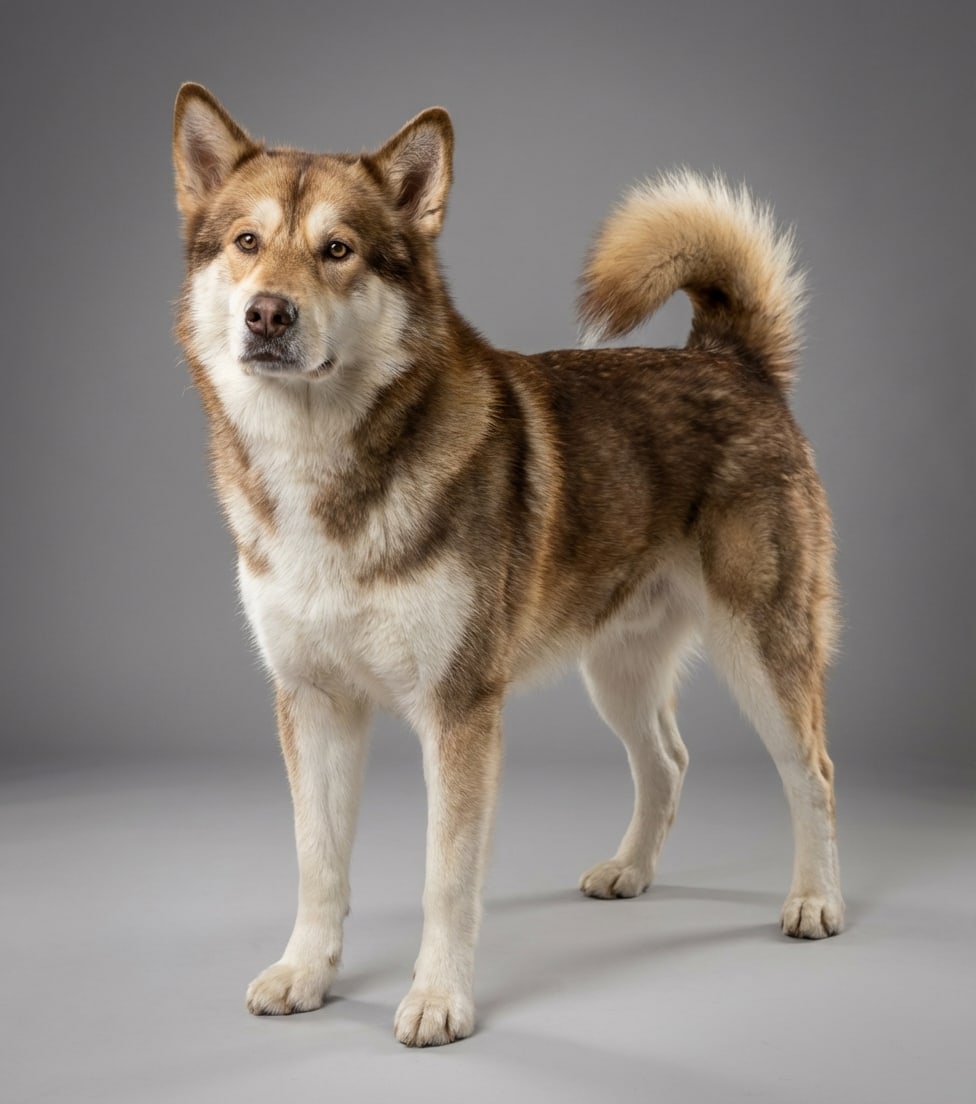
The Barak Hound is a medium-sized rough-coated scent hound, known for its distinctive tricolor coat that can be yellowish, greyish, or wheaten, often with a mix of these colors. The coat's unique texture, often referred to as broken-haired or hard, gives the dog a rugged appearance. This coat also features white markings, which can include a blaze on the head, and a distinctive mask, which is a result of the breed's genetic makeup.
The standard specifies a body length that is ten percent greater than the height, a trait that sets the Barak Hound apart from other hounds in the region. This elongated body is complemented by a long neck and a deep chest, which contribute to the breed's strength and endurance. Males of the Barak Hound typically stand at 51-56 cm (17-21.5 in) at the withers, while females range from 48-53 cm (19-21 in). The weight of an adult Barak Hound is generally between 17-25 kg (37-55 lb). The breed's face features a bushy moustache and beard, and its tail is carried slightly upward, adding to its rugged and determined appearance.
Temperament and Traits
The Barak Hound is characterized by an energetic and intelligent temperament. This breed is known for its alertness, independence, and courage, making it an excellent choice for hunters and those involved in other active pursuits.
Despite their high energy and independence, Barak Hounds have a low level of friendliness, which can make them less sociable with strangers or other pets. This trait is something to consider when integrating the breed into a household with children or other animals.
Lifespan and Health
Barak Hounds typically have an average lifespan of 12-14 years, which is considered moderate for a breed of their size and activity level. However, like many other breeds, the Barak Hound is prone to certain health conditions that can affect their lifespan and quality of life. These include hip dysplasia, a condition where the hip joint doesn't fit together perfectly, which can cause pain and lameness; and epilepsy, a disorder that can cause seizures. Both of these conditions can be managed with proper veterinary care.
Adaptability and Care
Barak Hounds are not highly adaptable to various living situations. This breed is best suited for owners who live in rural areas or have access to a securely fenced yard.
Given their independent nature, Barak Hounds may not be the best choice for first-time dog owners. Their high intelligence and trainability require a firm yet gentle hand during training to ensure proper socialization and behavior management. Consistency and patience are key when training this breed, as they can be stubborn at times. Positive reinforcement methods work well with the Barak Hound.
Buyer's Checklist
- Understand the breed's independent and alert temperament.
- Ensure you have the time and space to accommodate a Barak Hound's lifestyle.
- Be ready to provide consistent training and socialization.
- Consider the potential health conditions that may affect the breed, such as hip dysplasia and epilepsy.
Cost and Household Considerations
The initial cost of purchasing a Barak Hound can range from $1,000 to $1,500, depending on the dog's lineage and registration status. Ongoing expenses include food, grooming, veterinary care, and training. The Barak Hound's moderate shedding and grooming needs can add to these costs.
Before bringing a Barak Hound into your home, consider whether your living situation and lifestyle align with the breed's requirements. If you have a large yard and enjoy outdoor activities, a Barak Hound may be a good fit. However, if you live in a small apartment or lead a sedentary lifestyle, this breed may not be the best choice.
Frequently Asked Questions
What is the lifespan of the Barak Hound?
The average lifespan of the Barak Hound is about 12-14 years. Good nutrition and regular veterinary care support a healthy life.
What is the temperament of the Barak Hound?
The Barak Hound is known for: Energetic, Intelligent, Alert, Independent, Courageous. Its energy level is high.
What size and weight is the Barak Hound?
It is a large dog, typically around 17-25 kg as an adult.
Is the Barak Hound easy to care for?
Reliable grooming and shedding ratings are not available. Routine brushing, ear and dental care, and nail trims are still recommended.
Is the Barak Hound good with kids and other pets?
Reliable child- and pet-friendliness ratings are not available. Supervised, gradual introductions are recommended.
How much exercise does the Barak Hound need?
With a high energy level, it needs walks, play or training matched to its stamina.
Barak Hound
Trait Scores
N/A